
Nokia picks Egypt as regional support hub for Middle East, Africa

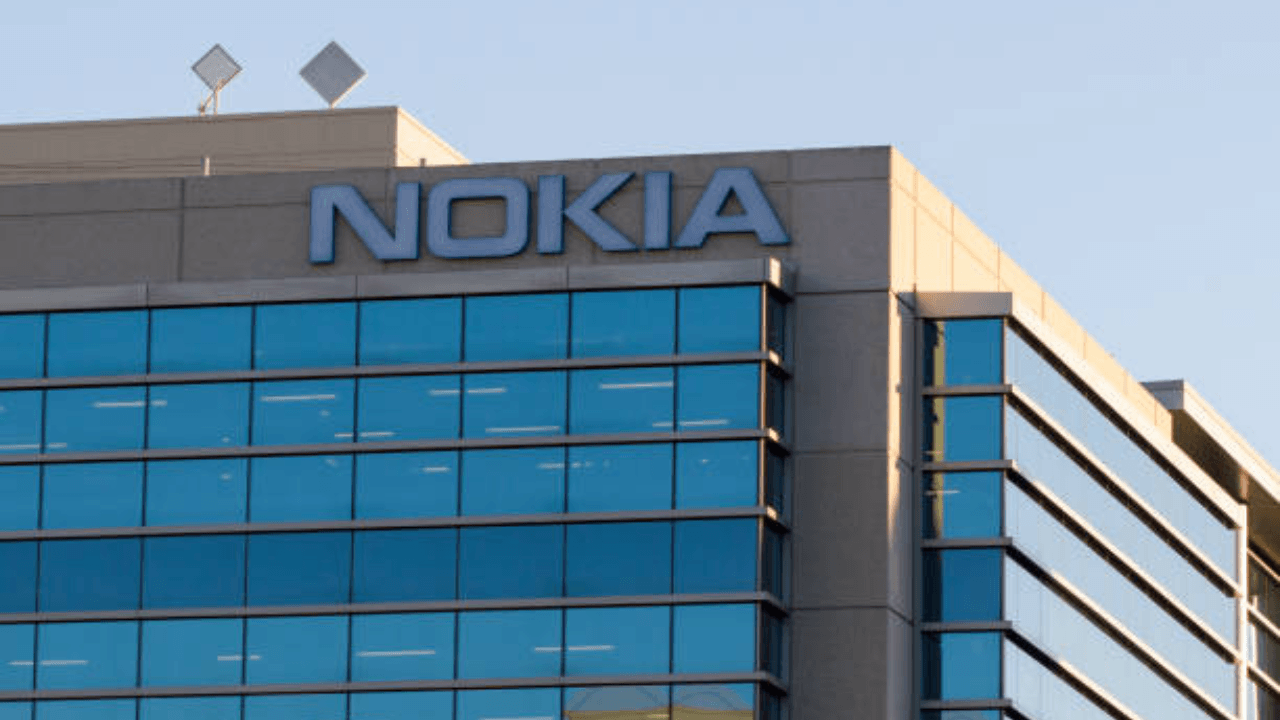
- Nokia selected Cairo as its Middle East and Africa support hub
- The center serves all Nokia business groups
- It provides shared services and regional time-zone coverage
- 5G expansion and cloud adoption drove the consolidation
CAPE TOWN, SOUTH AFRICA — Nokia has selected Egypt as its regional support hub for the Middle East and Africa, establishing a centralized operational center in Cairo to handle customer operations across one of the world’s fastest-growing digital markets.
The move positions Egypt as a strategic anchor for the Finnish telecom giant’s regional service delivery, capitalizing on the country’s expanding role as a connectivity and technology hub for both regions.
According to a report from Tech Africa News, the decision comes as 5G expansion, cloud adoption, and rising data consumption drive enterprise demand for scalable, high-quality support — and as multinationals increasingly consolidate regional operations into talent-rich locations across Africa and the Middle East.
Why Nokia chose Egypt for its regional operations
The Cairo hub will support all Nokia business groups, including Global Services and Operations, Network Infrastructure, and Mobile Infrastructure, providing shared services and effective time-zone coverage across the region.
The facility is designed to streamline processes, reduce operational complexity, and standardize best practices, enabling Nokia to deliver consistent, high-quality services aligned with evolving customer needs.
“This milestone underscores our confidence in Egypt as a strategic hub for the Middle East and Africa,” said Mikko Lavanti, president of Middle East and Africa at Nokia.
“By centralizing our support operations in Cairo, we are strengthening our ability to deliver high-quality, efficient services to our customers while leveraging the exceptional talent and capabilities available in the country,” Lavanti added.
A region driven by 5G, cloud, and network complexity
The Middle East and Africa are experiencing rapid digital transformation, with service providers and enterprises managing increasingly complex networks that demand faster response times and operational continuity. Nokia’s report cites “5G expansion, cloud adoption, and rising data consumption” as the core forces driving the need for scalable, centralized support models — pressures that local telecom and enterprise customers are facing simultaneously.
“By establishing its regional hub in Egypt, Nokia is enhancing its ability to deliver centralized, efficient, and consistent support services at scale,” the report stated, framing the move as a direct response to enterprise demand for unified service delivery rather than fragmented country-by-country support.
The hub is designed as a multi-purpose facility that brings together specialized expertise, optimizes resource utilization, and supports closer collaboration with customers and internal teams.
The Cairo hub reflects a broader recalibration unfolding across the global outsourcing and shared services industry, where multinational firms are increasingly consolidating regional operations into strategically located, talent-rich markets.
Egypt’s combination of geographic positioning, digital infrastructure, and skilled workforce places it alongside emerging hubs like South Africa and Nigeria — and signals that the next phase of global service delivery competition will be won by countries that can offer scale, compliance, and specialized capability in equal measure.
Related news
- Cape Town’s BPO sector adds a record 11,496 jobs · 2 Jul
- Middle East crisis may accelerate India’s GCC growth, experts say · 6 Mar
- Global telecom outsourcing market to hit $130Bn by 2033: MRI · 18 Oct 2025
Disclosure: Outsource Accelerator uses AI tools in the backend of its editorial workflow. Every article is reviewed and verified by a human editor before publication.
Stay ahead of the outsourcing industry. Join thousands of business leaders who rely on Outsource Accelerator for the news, trends, and expert insights that matter. Subscribe to our free newsletter and never miss an update.








