
Philippines must upskill to protect $40Bn BPO sector: ADB

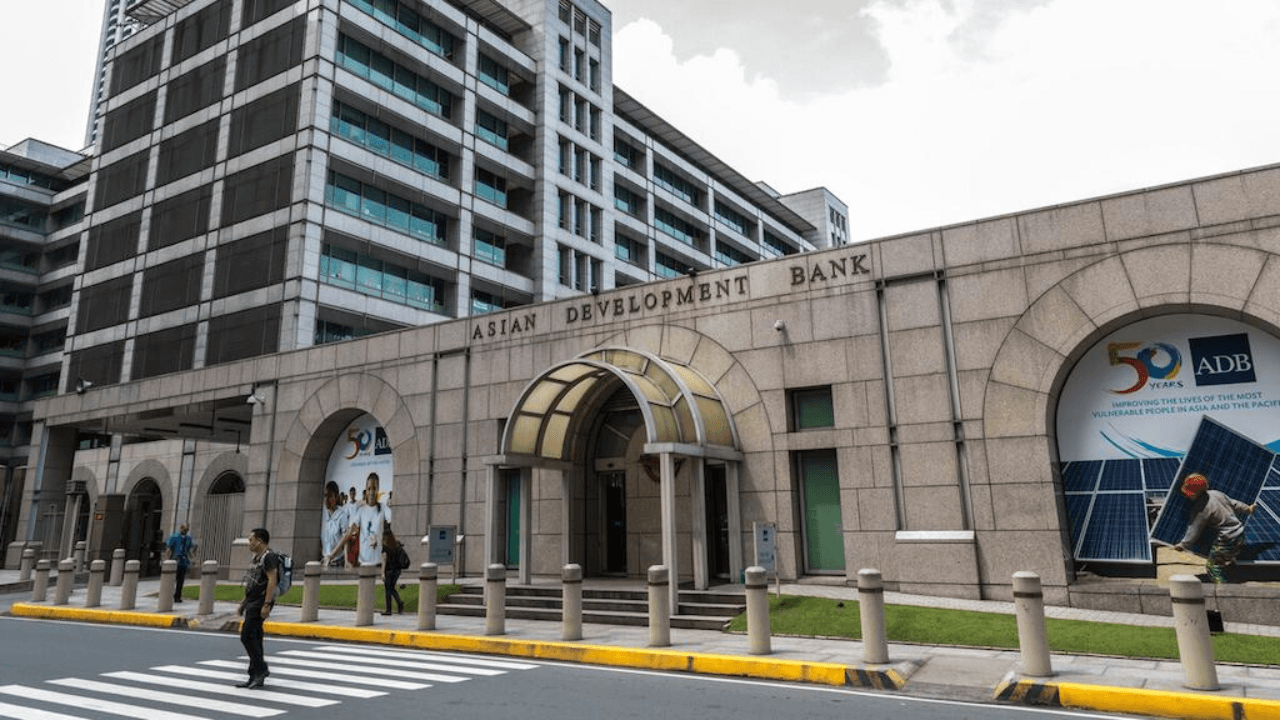
MANILA, PHILIPPINES — The Asian Development Bank is putting the Philippines on notice: its $40 billion outsourcing sector faces a skills gap and rising infrastructure costs that threaten to stall growth.
The warning, contained in the ADB’s Asian Development Policy Report 2026 launched during the bank’s annual meeting in Uzbekistan, lands as the country targets $42 billion in revenue and 1.97 million jobs from the sector by end of 2026.
According to a report from Philstar, the Philippines employed 1.9 million business process outsourcing (BPO) workers in 2025, making it one of Asia’s largest outsourcing destinations — a position the ADB says requires active defense.
Skills gap and infrastructure costs: the threats to BPO dominance
The ADB identified two pressure points that, left unaddressed, erode the Philippines’ edge in the global outsourcing market. High broadband costs and office rental rates are squeezing the sector’s competitiveness — a direct threat in an industry where margins hinge on labor and overhead efficiency.
“Addressing these challenges can ensure IT-BPM continues as a cornerstone of the Philippines’ services-led growth and a resilient source of export income in the digital global economy,” the ADB said.
Jack Madrid, president and CEO of the IT and Business Process Association of the Philippines, confirmed the pressure firsthand, citing ease of doing business and a shortage of employable talent as the sector’s most immediate operational hurdles.
Upskilling and AI integration: The path to higher-value outsourcing
The ADB’s prescription is direct: invest in digital and analytical skills, embed AI and automation into workforce training, and expand broadband infrastructure nationwide to support the sector’s next phase of growth.
“Sustaining growth will require continued investment in digital and analytical skills, AI and automation integration into training programs, improved business environment conditions and broader digital infrastructure expansion,” the ADB said.
The sector’s ongoing shift into finance and accounting, information technology services, and knowledge process outsourcing demands a workforce that reaches well beyond traditional call center work — a transition the industry is actively pursuing.
Madrid confirmed the sector is already making significant investments in upskilling and talent development to keep pace with that demand.
The BPO sector accounts for about two-thirds of the Philippines’ total services exports — a concentration that makes talent and infrastructure vulnerabilities systemic, not just sectoral.
For U.S. companies with outsourcing operations in the Philippines, the ADB report reads as a forward-looking performance benchmark: partners and locations investing now in AI-ready talent and solid digital infrastructure are the ones positioned to capture higher-value work as the market matures.
The sector’s window to complete that transition before automation reshapes the economy, and the ADB is signaling the Philippines cannot afford to wait.
Related news
- AI drives efficiency in Philippine BPOs, sparks job security debate · 28 Feb
- Philippines BPOs race to upskill in AI age, says IBPAP chief · 20 Feb
- Philippines maps $4.8Tn AI economy plan at UP Horizons 2025 conference · 5 Nov 2025
Disclosure: Outsource Accelerator uses AI tools in the backend of its editorial workflow. Every article is reviewed and verified by a human editor before publication.
Stay ahead of the outsourcing industry. Join thousands of business leaders who rely on Outsource Accelerator for the news, trends, and expert insights that matter. Subscribe to our free newsletter and never miss an update.








