
SBM Offshore upgrades India hub from delivery center to innovation hub

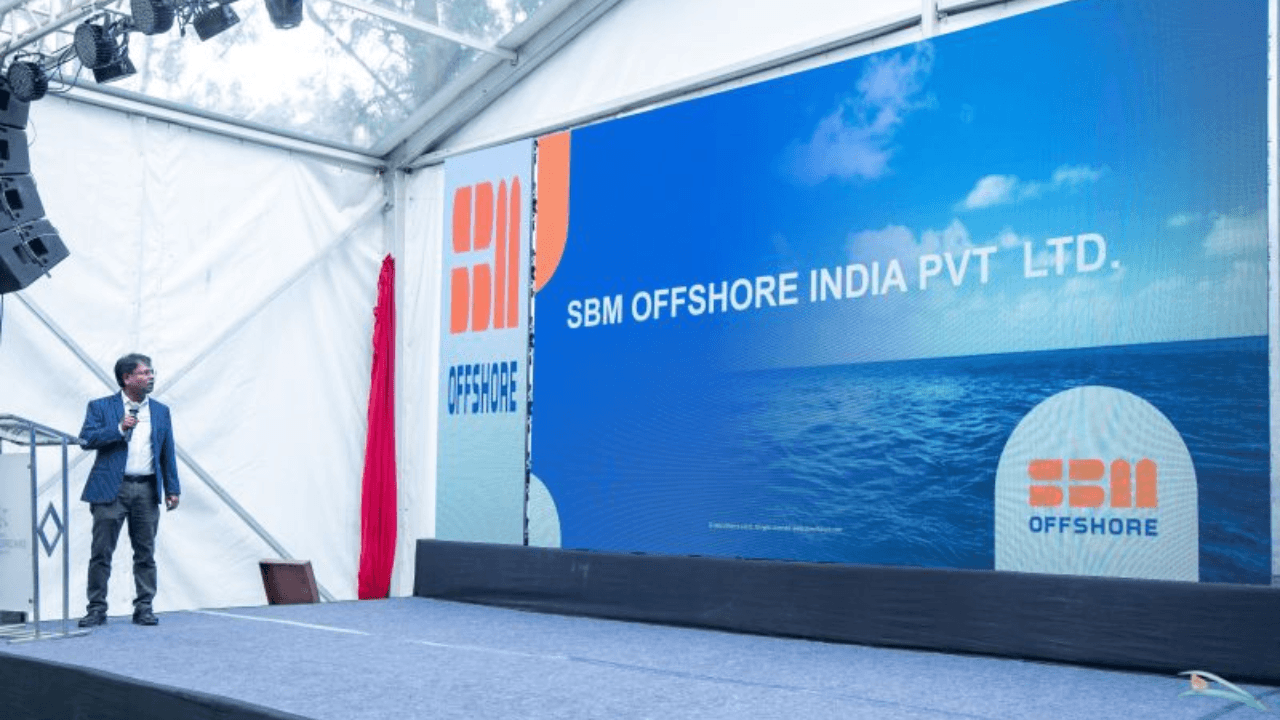
- SBM Offshore inaugurated a new Bengaluru engineering office
- India handles 70% to 80% of detailed engineering scope
- It supports about 60% of worldwide engineering activities
- The 790-person workforce will grow by 200 roles
MUMBAI, INDIA — SBM Offshore inaugurated a new Bengaluru office, marking a transition of its India operations toward strategic engineering and digital innovation — a center that now handles 70-80% of detailed engineering scope across the company’s global projects and supports approximately 60% of worldwide engineering activities.
The new facility anchors capabilities in digital twins, asset integrity, and operations support alongside core engineering delivery.
India team delivers 70-80% of global engineering work
According to a report from Express Computer, India’s contribution to SBM Offshore’s global operations spans three categories: execution (brownfield project delivery and lifecycle support), procurement (centralized bulk purchasing hub), and digital innovation (Power Platform development, digital twins, and digital solutions administration that serve the company’s global fleet operations).
The scale of India’s engineering role — 70-80% of detailed project scope and 60% of overall global engineering activities — represents a GCC mandate that has moved beyond supplementary support into primary delivery responsibility for a company specializing in floating production systems.
“India continues to play an increasingly important role in SBM Offshore’s global delivery model,” said Øivind Tangen, CEO of SBM Offshore, emphasizing the company’s “long-term commitment to investing in world-class talent.”
200 new roles signal India GCC’s expanding mandate
SBM Offshore’s India workforce of approximately 790 professionals is expected to grow by 200 roles in the near term, adding capacity in Front End Engineering Design, supply chain centralization, package management within project delivery, and asset integrity operations.
The Bengaluru office formalizes a GCC structure with specific innovation mandates: FEED capability development, Fleet Operations asset integrity, and Power Platform digital development — functions that position India as an engineering contributor setting project parameters, not just a delivery executor meeting them.
The inauguration was attended by Scott Sandlin, Country Chair for India at ExxonMobil, and Anne Cremers, Deputy Consul General of the Netherlands — reflecting SBM Offshore’s Dutch corporate base and the bilateral significance of its India GCC commitment.
The SBM Offshore trajectory — from supplementary support to 70-80% of global engineering scope — illustrates what GCC ‘hub’ status requires in practice: a deliberate transfer of delivery ownership and functional mandate, not simply incremental headcount growth on existing task categories.
For energy sector and engineering GCC operators in India, SBM Offshore’s expansion sets a concrete benchmark for what primary delivery responsibility looks like: sustained talent investment, expanding functional mandates, and India-based teams owning 70-80% of the engineering decisions that determine project outcomes.
The distinction between a delivery center and a hub is determined by where that ownership sits. For buyers evaluating India GCC partnerships in specialized engineering, SBM Offshore’s trajectory is the clearest available data point.
Related news
- Egypt sets $6Bn outsourcing export target for 2026: Minister · 4 Jun
- FCC’s onshore call center push draws broad industry opposition · 4 Jun
- Officeworks moves hundreds of tech jobs to India and Philippines · 3 Jun
Disclosure: Outsource Accelerator uses AI tools in the backend of its editorial workflow. Every article is reviewed and verified by a human editor before publication.
Stay ahead of the outsourcing industry. Join thousands of business leaders who rely on Outsource Accelerator for the news, trends, and expert insights that matter. Subscribe to our free newsletter and never miss an update.








