
Philippine IT-BPM roadmap gets a rewrite as AI reshapes the sector

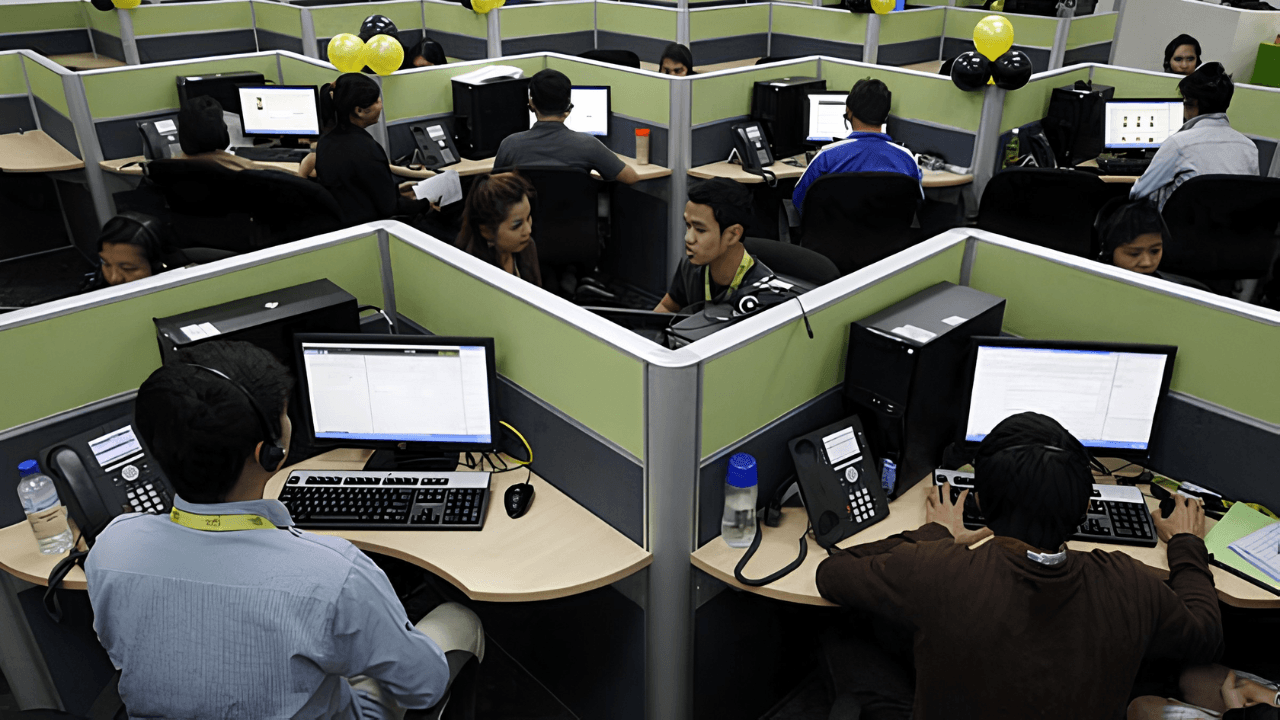
- IBPAP is preparing to update its 2028 sector roadmap
- Current targets are 2.5 million workers and $59 billion
- 2025 actuals were 1.9 million workers and $40 billion
- TESDA has registered 85 enterprise-based courses with member firms
MANILA, PHILIPPINES — The IT and Business Process Association of the Philippines (IBPAP) is preparing to update its sector roadmap — which projects 2.5 million workers and $59 billion in revenue by 2028 — citing AI’s pace of change as having outrun the three-year-old plan’s assumptions.
IBPAP President and CEO Jonathan Madrid said the revised projections will be released within weeks.
IBPAP meets 2026 baseline but plans target refresh
According to a report from BusinessWorld, the 2025 actuals confirm the baseline is holding: 1.9 million workers and $40 billion in revenue, against roadmap targets of 2.5 million and $59 billion by 2028 — a trajectory requiring roughly 300,000 new workers and $9.5 billion in annual revenue growth across three years.
The roadmap refresh signals that IBPAP believes AI conditions will materially alter the sector’s trajectory — whether in the speed of adoption, the composition of jobs added, or the revenue-per-head ceiling that the current plan assumes.
“We’re not going to rest on our laurels because technology is changing faster than we can ever imagine. In the AI economy, learning velocity becomes an economic advantage,” said Madrid.
Relational intelligence and reskilling anchor Philippines’ AI response
Donald Patrick L. Lim, President of the Management Association of the Philippines, argued that the Filipino workforce’s most AI-resistant capabilities are relational — human connection, cross-cultural trust, adaptability, and English fluency that advanced AI still cannot replicate.
TESDA is deploying enterprise-based training under Republic Act 12063 to support BPO workers at risk of AI displacement, with 85 enterprise-based courses registered by IBPAP member firms to date.
Madrid framed the sector’s AI strategy around a concept larger than human-in-the-loop oversight: “humans-at-the-core” of trust, governance, and high-stakes decisions that automation should not make unilaterally.
A roadmap refresh, an active workforce reskilling program, and a policy framework for enterprise-based training together signal institutional coordination in the Philippines’ AI response — a structural advantage over markets where workforce adaptation is left to individual operators.
“We are relationally intelligent. The Filipino capacity for human connection, for work, family, and building trust across cultures is precisely what the most advanced AI systems still cannot accomplish,” said Lim.
For enterprise CX and IT-BPM buyers evaluating Philippine offshore contracts, IBPAP’s roadmap refresh is both a transparency signal and a demand indicator. The revised projections — due within weeks — will clarify whether AI is expected to expand or compress the sector’s workforce base and at what pace.
That answer will shape how buyers structure multi-year commitments in a market that is actively renegotiating its assumptions about the next three years.
Related news
- NAB plans 1,000 more offshore hires as Australian bank jobs are cut · 2 Jun
- Pakistan emerges as key ICT, fintech market for Swiss companies · 1 May
- Philippines CX sector eyes 5% revenue growth as AI adoption gaps emerge · 2 Jun
Disclosure: Outsource Accelerator uses AI tools in the backend of its editorial workflow. Every article is reviewed and verified by a human editor before publication.
Stay ahead of the outsourcing industry. Join thousands of business leaders who rely on Outsource Accelerator for the news, trends, and expert insights that matter. Subscribe to our free newsletter and never miss an update.








