
N-able eyes 50% India workforce growth as cyber threats go AI-native

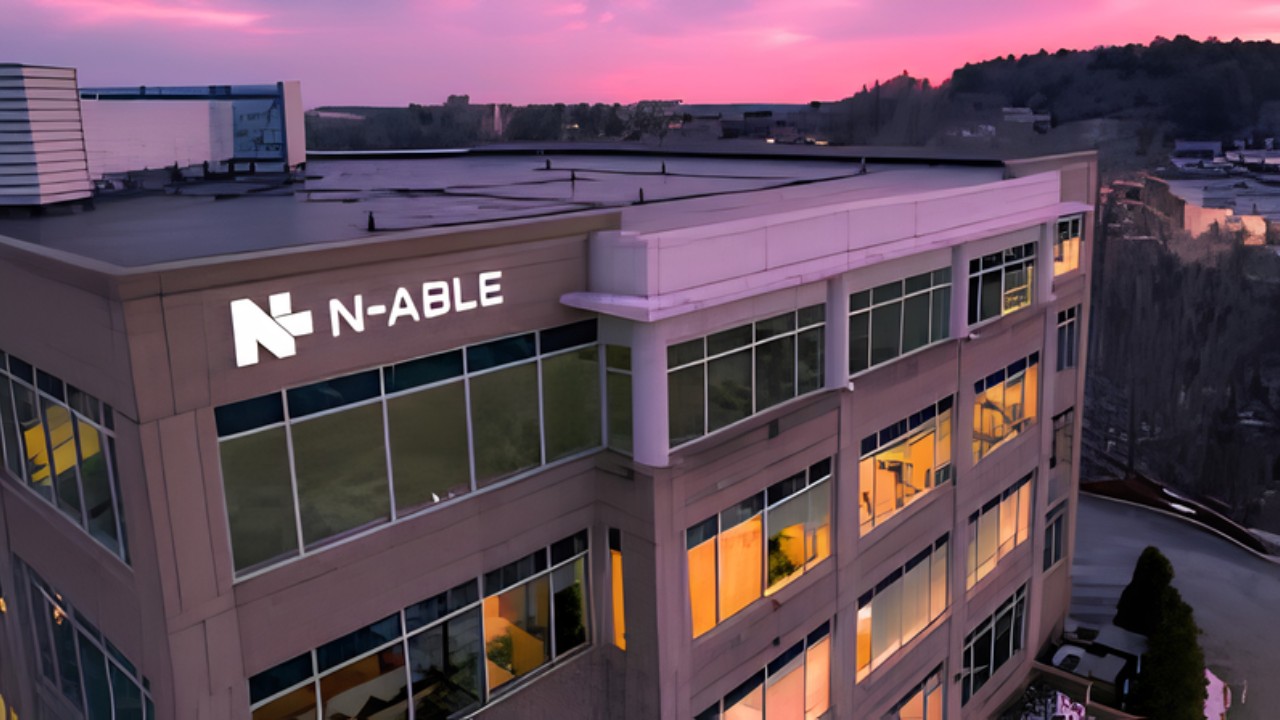
- N-able opened a Bengaluru Global Capability Center on June 15
- The center currently employs more than 100 people
- India workforce will grow at least 50% by end-2026
- N-able serves more than 500,000 organizations globally
KARNATAKA, INDIA — United States cybersecurity firm N-able opened a Global Capability Center (GCC) in Bengaluru on June 15, with plans to grow its India workforce by at least 50% by end-2026 — targeting AI engineering, applied machine learning, cloud security, and threat research capability as cybercriminals accelerate the use of generative AI in automated attacks.
The center currently employs more than 100 people.
N-able opens Bengaluru GCC targeting AI-native cyber defense capability
According to a report from Reuters, CEO John Pagliuca positioned the Bengaluru GCC as a talent access decision rather than a cost-reduction play — the center is tasked with building defensive AI capabilities including automated threat detection, continuous monitoring, and faster threat response times.
As cybercriminals increasingly deploy generative AI to conduct sophisticated, automated attacks at scale, the Bengaluru team’s mandate is to develop defensive AI tools that respond in kind — a race that requires specialized AI and security engineering depth rather than general IT capacity.
Pagliuca’s explicit rejection of a ‘short-term headcount play’ framing distinguishes N-able’s GCC from labor-arbitrage entries — the center is being built to develop global AI security capability, not to redeploy high-cost engineering work at lower unit cost.
“The reason we’re in Bengaluru is capability. Our priority is to build for the long term, with the right people and a strong foundation, not to pursue a short-term headcount play,” said John Pagliuca, CEO, N-able Inc.
India’s 2.36M GCC workforce projection anchors N-able’s expansion target
India’s GCC workforce is projected to reach 2.36 million employees by end-2026, per Nasscom and Zinnov research — the market scale that makes Bengaluru’s talent pool competitive for AI and cybersecurity roles requiring both depth and long-term scalability.
AI engineering, applied machine learning, cloud security, and threat research are among the hardest skills to source in Bengaluru’s contested market — N-able is competing with multinationals and local technology firms for the same specialist profiles.
N-able serves more than 500,000 organizations globally with IT management, cybersecurity, and data protection software — a client base whose security exposure escalates directly as AI-enabled attack tools proliferate, compounding demand for the defensive AI capabilities the Bengaluru center is being built to produce.
Bengaluru’s GCC ecosystem depth — where hyperscalers, enterprise software firms, and cybersecurity companies all compete for AI talent — gives N-able access to engineers already trained on the cloud and machine learning infrastructure its defensive AI products require.
For BPO and IT services operators tracking India’s GCC expansion, N-able’s Bengaluru launch reinforces the city’s role as the destination of choice for AI-native capability builds — and the 50% workforce growth target by end-2026 signals that the company is racing to staff defensive AI ahead of AI-enabled threat acceleration already visible in the field.
Related news
- India semiconductor GCC hiring hits 3,549 open roles in March · 22 May
- Leadership inertia, not tech, blocks AI in the Philippines · 20 May
- Multinational back offices squeeze India’s IT services industry · 12 May
Disclosure: Outsource Accelerator uses AI tools in the backend of its editorial workflow. Every article is reviewed and verified by a human editor before publication.
Stay ahead of the outsourcing industry. Join thousands of business leaders who rely on Outsource Accelerator for the news, trends, and expert insights that matter. Subscribe to our free newsletter and never miss an update.








