
BAT outsources 3,500 roles to Accenture in AI push

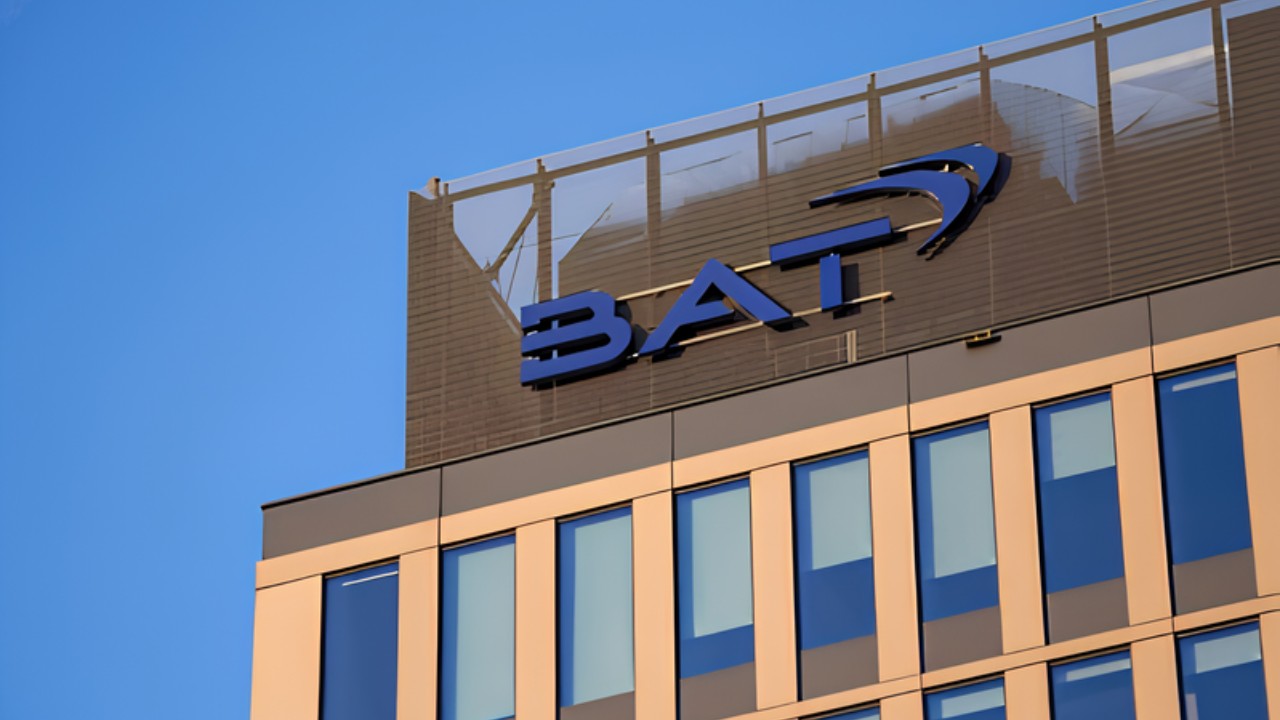
- British American Tobacco will transfer 3,500 roles to Accenture
- It will eliminate 5,500 positions directly, restructuring 9,000 in total
- The Fit2Win program targets 600 million pounds in savings by 2028
- Operations span the UK, Poland, Romania, Costa Rica and Mexico
LONDON, UNITED KINGDOM — British American Tobacco has agreed to transfer 3,500 roles to Accenture and eliminate 5,500 positions directly — a total restructuring of 9,000 employees — as the tobacco company executes its Fit2Win AI transformation program targeting £600 million in annual cost savings by 2028.
The deal, announced June 29, 2026, affects operations across the UK, Poland, Romania, Costa Rica, Mexico, Singapore, and Malaysia; the United States market is excluded.
BAT’s Fit2Win program transfers 3,500 roles to Accenture targeting £600M annual savings
According to a report from The Guardian, the Accenture mandate covers outsourced roles across BAT’s international operations, with most role changes confirmed with employees as of the announcement date and remaining consultations proceeding under local legal requirements.
BAT has not disclosed which specific business functions are being transferred to Accenture. The £600 million annual savings target by 2028 follows an intermediate milestone of £500 million by 2027, as BAT responds to a traditional tobacco volume decline running at approximately 2.5% annually and seeks to redirect investment toward smoke-free alternatives including Vuse vapes and Velo nicotine pouches.
The Accenture outsourcing mandate is the structural mechanism of the AI-driven transformation — the 3,500 roles transferred are the operational functions that AI-driven process redesign is reconfiguring, and outsourcing to Accenture provides both the execution capability and the structural separation from BAT’s core headcount.
“These changes affect many of our colleagues and we are focused on supporting them through this transition with care and respect,” said Tadeu Marroco, Chief Executive Officer, British American Tobacco.
Accenture wins large-scale BPO mandate as enterprise AI transformation reshapes outsourcing deals
The BAT mandate positions Accenture as the operational delivery partner for AI-reconfigured functions — a structure that converts BAT’s transformation program into a recurring BPO agreement rather than a one-time systems integration project, with Accenture absorbing ongoing operational management of the transferred roles.
BAT’s 2.5% annual tobacco volume decline creates a structural cost imperative that the £600 million savings target partially addresses — and the Accenture outsourcing mechanism means BAT captures the cost benefit of reduced direct headcount while retaining operational continuity through a single large provider.
For enterprise BPO operators competing with Accenture for AI transformation mandates, the BAT deal documents the contract type these programs produce: not a defined-term technology engagement, but an operational outsourcing agreement where the provider absorbs and manages AI-reconfigured functions on a recurring basis.
At 3,500 outsourced roles targeting £600 million in annual savings, the BAT-Accenture deal is a reference point for the enterprise AI transformation outsourcing contract — the large-ticket recurring agreement replacing the traditional IT systems integration deal as the primary enterprise outsourcing engagement.
For BPO operators tracking the enterprise AI outsourcing market, BAT’s Fit2Win restructuring confirms the emerging model: AI-driven transformation converts internal operational headcount into outsourced BPO mandates, and the operators able to absorb that headcount at enterprise scale are capturing the contracts that corporate AI programs generate.
Related news
- UK ends ‘outsourcing by default’ for government IT · 30 Jun
- India’s top IT firms lose 46% of market value · 9 Jul
- KPMG Australia to offshore 200 support roles to Philippines · 6 Feb
Disclosure: Outsource Accelerator uses AI tools in the backend of its editorial workflow. Every article is reviewed and verified by a human editor before publication.
Stay ahead of the outsourcing industry. Join thousands of business leaders who rely on Outsource Accelerator for the news, trends, and expert insights that matter. Subscribe to our free newsletter and never miss an update.








