
PLDT builds backbone for PH’s $40Bn IT-BPM sector

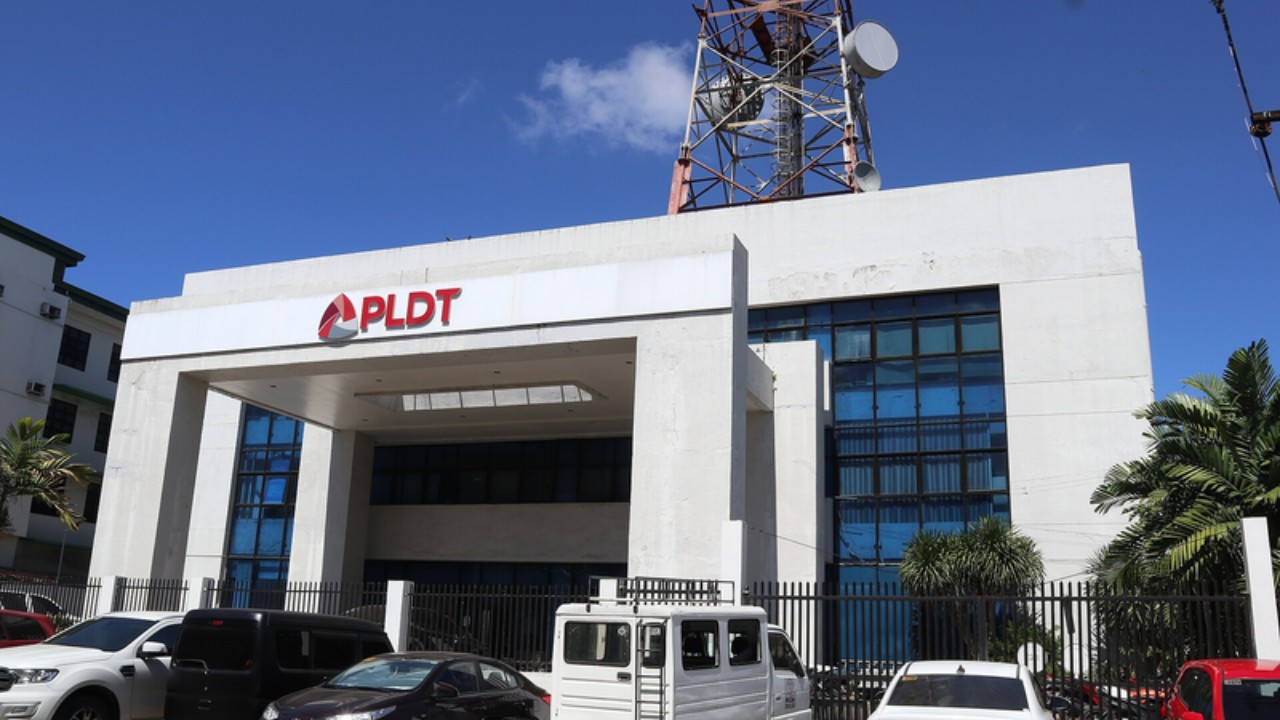
- PLDT’s National Fiber Backbone reaches all 91 Philippine provinces
- VITRO Sta. Rosa provides 50 megawatts of power capacity
- A 100-megawatt Cavite data center breaks ground in 2026
- PLDT targets 500 megawatts of total data center capacity
NEW SOUTH WALES, AUSTRALIA — PLDT Global Corporation is positioning its infrastructure stack as the foundational layer for the Philippines’ IT-BPM sector as it targets $40 billion in 2025 revenues and a 5% growth trajectory toward $42 billion in 2026.
PLDT’s 3,000km fiber backbone and AI-ready data centers underpin Philippines GCC ambitions
The National Fiber Backbone, completed in June 2026, extends domestic connectivity across all 91 Philippine provinces — providing the reliability that GCC operators and IT-BPM firms require to run distributed delivery operations at national scale rather than concentrating headcount in Metro Manila.
According to Telecom Review Asia, PLDT’s VITRO Sta. Rosa facility — the Philippines‘ first AI-ready hyperscale computing center — provides 50 megawatts of power capacity and currently hosts live GPU servers running ePLDT’s AI Stack solution, enabling enterprises to access high-performance computing without deploying their own advanced infrastructure.
PLDT’s infrastructure stack is the connectivity thesis for the Philippines’ GCC market: a national fiber backbone, an AI-ready hyperscale data center, and PLDT Global’s international points of presence are the three layers that allow a multinational to run a Philippine GCC at the same performance and security standard as an in-country operation.
“The continued growth of GCCs and the IT-BPM sector reflects how critical strong, future-ready digital infrastructure has become,” said Albert Villa-Real, President and CEO, PLDT Global.
PLDT’s 100MW Cavite data center and 500MW target extend capacity for enterprise-scale GCC demand
PLDT’s 12th and largest data center — a 100-megawatt facility at General Trias, Cavite — breaks ground in 2026 with phased capacity delivery beginning at 20 megawatts and scaling to full capacity by 2028, targeting the enterprise and hyperscale demand that a $42 billion IT-BPM industry requires as it expands into AI-enabled services.
PLDT’s total data center capacity target is 500 megawatts — described as parity with Malaysia’s current data center capacity — positioning the Philippines to compete at the same infrastructure tier as Southeast Asia’s established data center hubs.
For international GCC operators, PLDT Global’s carrier-neutral, hyperscale-ready facilities — combined with international connectivity through global subsea cable systems and points of presence — provide the infrastructure architecture that allows Philippine GCC operations to integrate into global enterprise networks without the latency, security, or reliability trade-offs that have historically constrained offshore IT delivery.
For GCC builders and IT-BPM operators evaluating the Philippines, PLDT’s June 2026 infrastructure completion marks the moment when the country’s connectivity argument moved from ‘improving’ to ‘enterprise-grade at scale’ — a credible answer to the infrastructure concerns that have held some mandates back from Philippine delivery locations.
For BPO and outsourcing operators tracking the Philippines’ competitive positioning, PLDT Global’s infrastructure investment confirms that the country’s $40B IT-BPM sector ambition is matched by the physical connectivity stack to deliver it.
Related news
- Converge invests in subsea cables to boost Philippine BPO sector · 16 May
- SixEleven, other BPOs shine in Asia CEO Awards 2025 · 9 Oct 2025
- PLDT, IBPAP partner to boost Philippines digital economy, AI adoption · 1 Aug 2025
Disclosure: Outsource Accelerator uses AI tools in the backend of its editorial workflow. Every article is reviewed and verified by a human editor before publication.
Stay ahead of the outsourcing industry. Join thousands of business leaders who rely on Outsource Accelerator for the news, trends, and expert insights that matter. Subscribe to our free newsletter and never miss an update.








