
U.S. Republicans eye to replace ACA with health savings accounts

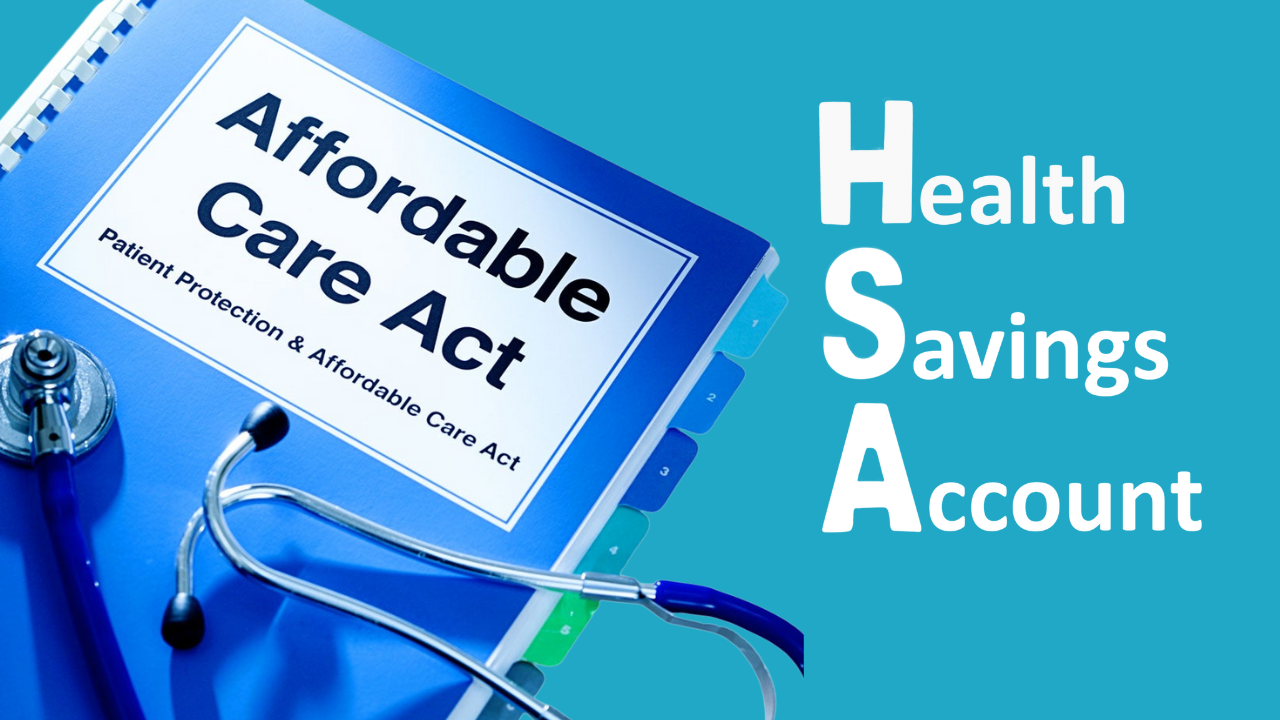
NEW JERSEY, UNITED STATES — As the countdown begins for the expiration of enhanced Affordable Care Act (ACA) premium tax credits, Republicans in the United States Congress are advancing a proposal that could reshape how millions of Americans, and the healthcare providers who serve them, pay for care.
According to a report from CNBC, United States Senator Bill Cassidy is pushing a plan to replace the boosted ACA credits with prepaid health savings accounts (HSAs), marking a significant shift that could ripple across hospitals, clinics, and health systems nationwide.
Cassidy’s HSA plan sparks debate
Senator Cassidy, a Louisiana Republican and chair of the Senate Committee on Health, Education, Labor, and Pensions, is promoting a model that redirects federal subsidies directly to individuals rather than insurance companies.
“Is there anybody who would not want to take a large portion of that, which we’re using to help Americans purchase health care, and give it directly to the individual, so that 100% of its used to purchase health care, as opposed to, as opposed to giving that money to the insurance company, of which 20% goes for profit and overhead?” Cassidy asked.
Under the proposal, Americans enrolled in Bronze Plans, which typically pay 60% of costs, would receive prepaid HSAs funded in part by the soon-to-expire premium tax credits.
These accounts could help cover deductibles, co-payments, and coinsurance, though they would not reduce monthly premiums.
For healthcare providers, the shift could mean more patients arriving with funds earmarked for medical expenses but fewer patients able to secure affordable insurance coverage in the first place.
The boosted ACA tax credits are set to lapse on December 31, having lowered premiums for roughly 20 million Americans this year. Without them, experts warn that insurance affordability could decline sharply.
“Without the enhanced ACA premium tax credits, people would have a harder time buying plans with affordable deductibles,” said KFF health policy specialist Larry Levitt, emphasizing the concern.
He added that HSAs “would help with out-of-pocket health costs like deductibles,” but may fall short for individuals who “can’t afford health insurance to begin with and end up getting sick.”
Implications for hospitals and health systems
Health systems and clinics could face heightened financial pressure if fewer patients retain insurance coverage. With higher premiums on the horizon and HSAs unable to offset the cost of monthly plans, hospitals may see an uptick in uninsured or underinsured patients.
Community hospitals could be particularly vulnerable. When patients delay treatment due to unaffordable premiums, providers often encounter more severe health conditions that require costlier interventions.
Clinics and outpatient centers may also grapple with inconsistent patient volumes as coverage gaps widen.
The political backdrop adds another layer of uncertainty. The proposal surfaced just weeks after a 43-day federal government shutdown, triggered in part by disagreements over extending ACA tax credits.
And while Senate leaders have agreed to hold a vote by mid-December, a long-term extension faces steep political challenges.
Levitt noted that Cassidy’s plan is unlikely to trigger a “premium death spiral,” but health providers may nonetheless be bracing for a disruptive transition if Congress cannot find consensus.
With just a month left before the scheduled vote, the stakes are high not only for policymakers but also for healthcare providers preparing for whatever comes next.







