
U.S. House passes ACA subsidy extension, Senate uncertain

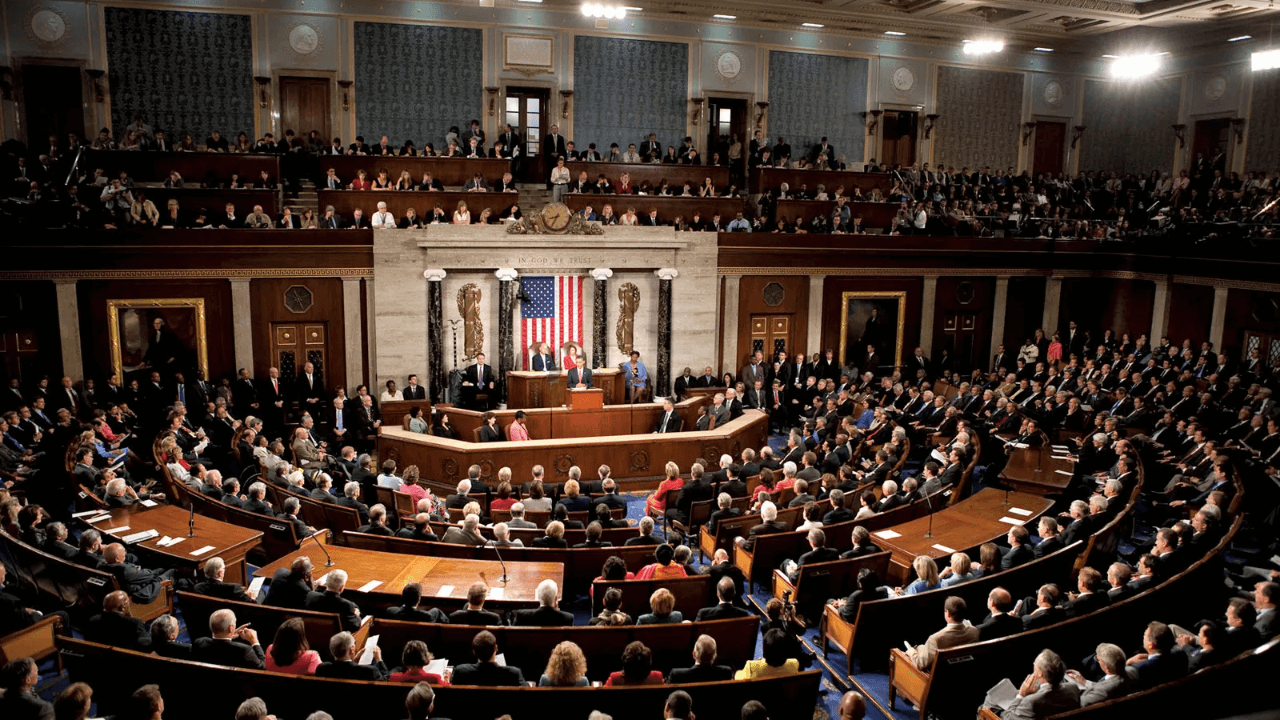
WASHINGTON, UNITED STATES — The United States House has approved a three-year restoration of enhanced Affordable Care Act subsidies that expired December 31, 2025, offering short-term relief for patients and providers after a week of rising premiums and coverage losses, but leaves hospitals and clinics under continued uncertainty as the measure heads to a skeptical Senate.
The bill passed 230-196, with 17 Republicans joining Democrats, after a Democrat-led discharge petition forced the issue onto the House floor.
According to a report from CNBC, although the vote marks the beginning of changes, Senate leaders from both parties have already warned that the House version is unlikely to advance unchanged, thus extending the period of uncertainty faced by healthcare systems that depend on stable patient insurance coverage.
House ACA subsidy vote impacts healthcare providers
The House action is important for health systems because the improved subsidies, which ceased at the end of 2025, have been a key factor in maintaining patient insurance and, thus, providing access to routine care.
Their lapse has already led to rising premiums on ACA marketplaces, increasing the risk that patients delay treatment or drop coverage altogether.
Renzo Luzzatti, president and founder of U.S.-RX Care, warned that the impact is already being felt.
“They’re going to start feeling it now,” he told KOMO News. “Premiums are going up if they’re not already up.”
A study cited by Luzzatti estimates average enrollee costs could nearly double, from about $900 to $1,900 annually. For providers, that translates into fewer insured visits, more postponed care, and growing pressure on revenue streams tied to preventive and outpatient services.
Luzzatti also highlighted the downstream effects for hospitals.
“Which means that when they’re sick, they’re going to end up at an emergency room and get uncompensated care, which drives up costs for hospitals,” he said.
“And how do hospitals offset that cost? They increase costs for everybody else,” he added.
Senate delay creates financial strain, uncompensated care risk
The Senate remains the primary hurdle, notwithstanding the House vote. While a bipartisan group of senators is working on a smaller two-year extension, they are also considering income limits, a minimum monthly premium, and new restrictions related to enrollment and abortion funding as part of the deal.
Senator Bernie Moreno (Republican – Ohio), a key negotiator, has been blunt about the House bill’s prospects.
“What the House is going to pass tomorrow will not pass in the United States Senate,” Moreno told the reporters.
“It probably wouldn’t be put on the floor, because why waste floor time on something we’ve already considered?” he asked.
Moreno said the House bill could instead serve as a legislative vehicle for amendments, underscoring how fluid the process remains.
Minority Leader Hakeem Jeffries (Democrat – New York), presented the House vote as a preliminary measure rather than a definitive conclusion.
“What we do here today will not be the end of the effort that is necessary,” he said, “but we can begin the effort that is necessary and extend the Affordable Care Act tax credits.”
The prolonged debate is just as important to healthcare providers as the final verdict. The ongoing ambiguity makes it difficult to make decisions regarding finances, personnel, and future plans, especially for safety-net hospitals and community clinics that are already dealing with small profits and an increasing number of patients.
While the Senate considers taking action, healthcare systems must prepare themselves for interruptions in coverage and associated operational strain.







