
AI could replace 80% of India’s outsourcing jobs, Dubai tycoon warns

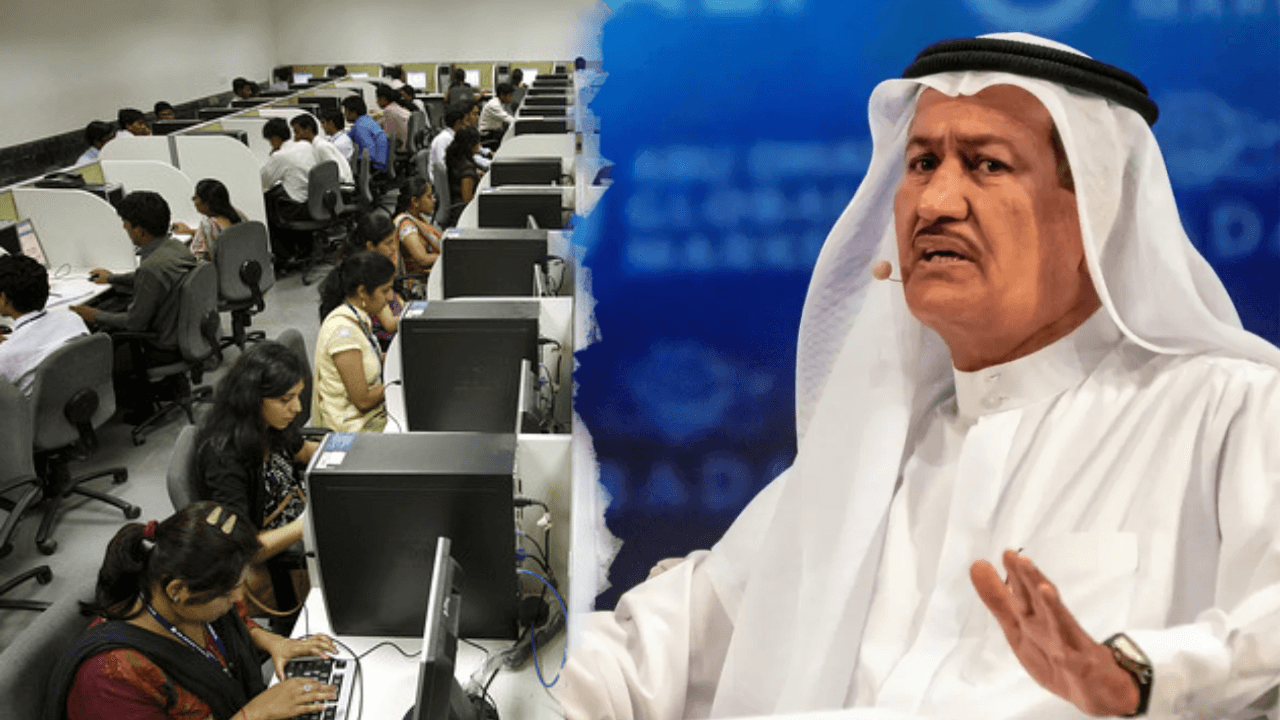
MUMBAI, INDIA — Artificial intelligence (AI) could replace the majority of India’s outsourced jobs in the coming years, Dubai billionaire Hussain Sajwani warned at the World Economic Forum (WEF) 2026, sparking fresh debate over the future of global labor markets.
In a report from The Times of India, Sajwani, founder and chairman of Damac Group, said AI is poised to transform economies “10 or even 100 times more” than the Internet and that countries slow to adopt it risk being “left behind.”
India’s outsourcing sector faces AI disruption
India has long been the world’s outsourcing hub, with millions employed in IT services, business process outsourcing (BPO), call centers, and back-office functions. But AI-driven automation is emerging as a threat to these traditional roles.
Tata Consultancy Services’ previous move that cut 12,200 staff is seen as an early signal of broader downsizing, potentially affecting up to half a million positions if routine tasks continue to be automated.
“AI is going to take 80% of accountant jobs, nurses and so on and so forth,” Sajwani said, highlighting the vulnerability of such roles and reducing demand for outsourced services.
Task scheduling, manual task analysis, customer assistance, and office management are particularly susceptible to being taken over by intelligent machines, as these tasks can be fast and cost-effective when performed by AI.
Global AI race puts traditional outsourcing under pressure
Sajwani warned that China, the United States, the United Arab Emirates (UAE), and Saudi Arabia all face a competitive advantage as they invest heavily in AI, while countries that hesitate to develop this technology or impose excessive regulations face disadvantages.
He even likened AI resistance to historical technological failures, citing the Ottoman Empire’s rejection of the typewriter.
Yet, he cautioned that AI is not only about job losses.
The Indian Economic Survey 2026 notes that while automation may displace certain roles, there is “good news” in new opportunities arising from the demand for human creativity, soft skills, and adaptability.
The combination of India’s workforce potential and its increasing AI capabilities will enable the country to become an AI service and innovation center.
Investments in training, data centers, and digital infrastructure may cushion the workforce from shocks while creating higher-value employment.
The outsourcing industry faces both a challenge and a solution through Sajwani’s warning.
Eventually, the companies must adopt AI technology while also reshaping the roles of their employees and services that should be enhanced in a way that AI cannot easily automate.
Companies that implement these changes will remain competitive in international markets, but those that depend only on traditional outsourcing methods will be outdated as AI technology transforms the global employment market.







