
AI ‘digital twins’ predict patient health, speed up clinical trials

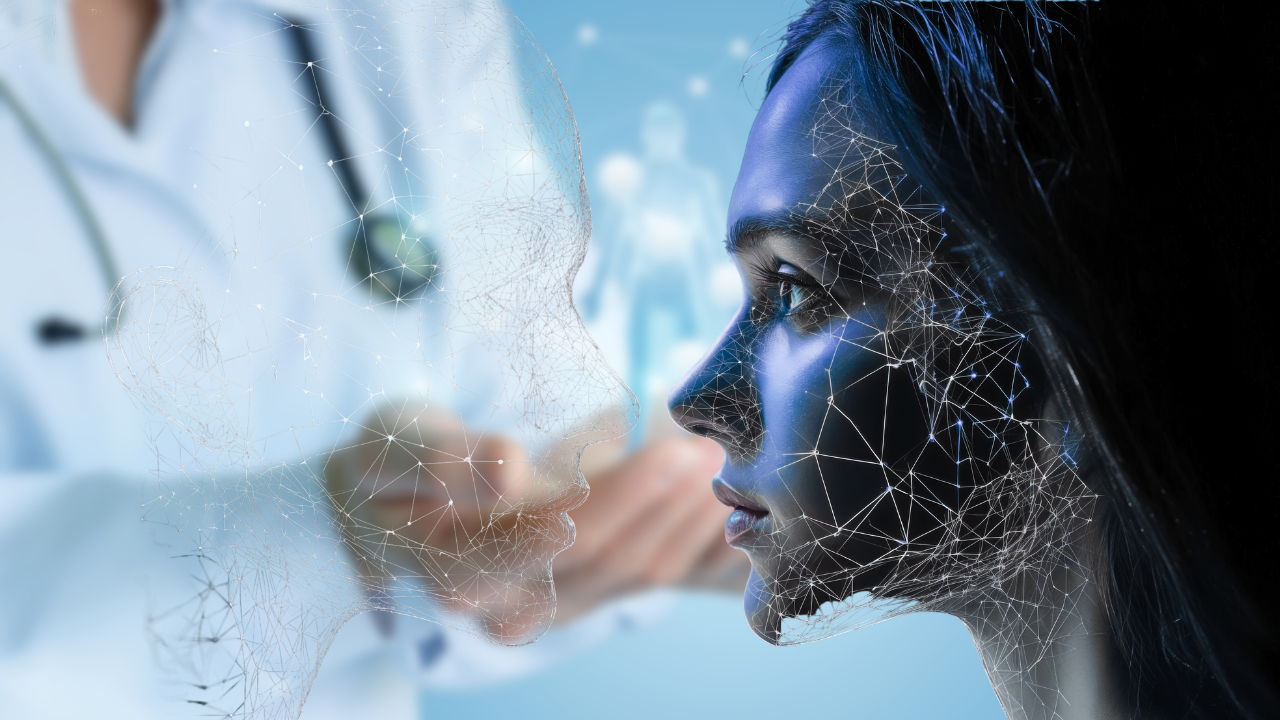
MELBOURNE, AUSTRALIA — A breakthrough artificial intelligence (AI) tool capable of creating digital replicas of patients to predict their future health is being hailed as a major step forward for clinical trials, according to a University of Melbourne report.
Researchers from the University of Melbourne have launched DT-GPT, an AI model trained on thousands of electronic health records to forecast individual disease trajectories with striking accuracy.
The technology promises faster, more cost-efficient drug development while raising the bar for data-driven clinical outsourcing.
How DT-GPT builds AI ‘digital twins’ for patient forecasting
DT-GPT was trained using datasets involving patients with Alzheimer’s disease, non-small cell lung cancer, and those admitted to intensive care units.
By analyzing laboratory results, medical histories, diagnoses, and treatments, the model generates “digital twins” that mimic how a patient’s health may evolve.
“For each patient, we created a virtual replica by initializing the model with their individual clinical profile,” said Lead Researcher and Associate Professor Michael Menden, explaining the approach.
“We created virtual twins of 35,131 intensive care unit (ICU) patients and accurately predicted what would happen to their magnesium levels, oxygen saturation, and their respiratory rate over a 24-hour period, based on their laboratory results from the previous day,” Mended added, noting that the tool had accurately forecasted changes in vital signs in ICU patients.
The model’s accuracy surpassed 14 other state-of-the-art machine learning systems, with researchers highlighting its ability to simulate clinical trial outcomes and accelerate drug development.
“This technology paves the way for a shift from reactive to predictive and personalized medicine,” said Menden.
What DT-GPT means for CROs and clinical trial outsourcing
Clinical research organizations (CROs), analytics providers, and outsourced health data processing firms increasingly rely on AI-powered predictive tools.
Technologies like DT-GPT could redefine outsourcing demands by shifting labor-intensive data modeling and trial simulations toward automated, AI-led processes.
This matters because outsourcing firms that manage real-world data, patient monitoring, and trial analytics may now need to enhance their offerings with predictive AI capabilities to stay competitive.
Faster simulations mean pharmaceutical clients can shorten development timelines, which in turn puts pressure on vendors to adopt tools that improve accuracy, reduce human error, and cut operational costs.
Furthermore, DT-GPT’s ability to perform zero-shot predictions, making educated guesses on variables it was not trained on, introduces new expectations for outsourced analytics partners.
“Our model accurately predicted how lactate dehydrogenase (LDH) levels changed in non-small cell lung cancer patients 13 weeks after they started therapy, despite not training the model for this purpose,” Menden described.
The team behind DT-GPT is already expanding the technology into a new company focused on digital twins for endometriosis patients, an early sign of commercialization that healthcare outsourcing providers will be watching closely.
As predictive AI becomes more deeply integrated into clinical workflows, healthcare outsourcing firms may find themselves adapting to a future in which digital twins are no longer a novelty but a necessity.







