
AI drives efficiency in Philippine BPOs, sparks job security debate

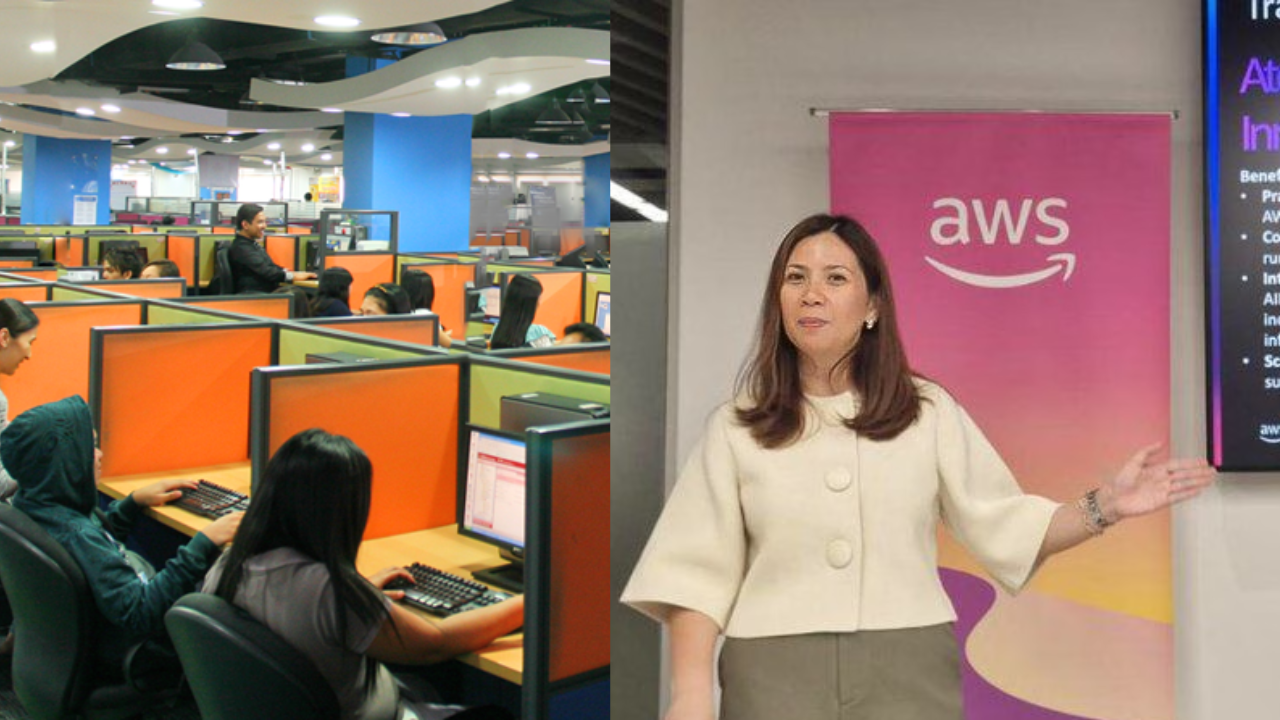
MANILA, PHILIPPINES — Philippine business process outsourcing (BPO) firms are embracing agentic artificial intelligence (AI) to streamline operations and boost productivity, but a labor group warns that these gains may come at the expense of job security and worker welfare.
The rise of agentic AI in Philippine outsourcing
In a report from ABS-CBN News, Precious Lim, Amazon Web Services (AWS) Philippines country manager, spoke at a media briefing highlighting the rapid growth of AI in the local business landscape.
“The use of artificial intelligence among Philippine businesses has grown 50 percent year-on-year,” she said, noting that 64 percent of businesses using AI have also seen improved revenue growth. AWS projects the Philippine AI market could reach US$3.5 billion by 2030.
“Our BPO sector is super important. They’re not just providing voice and contact center services right to customers around the globe, but also around legal, software development, animation, banking, back office services, right? So they are also looking at ways to apply agentic AI so that these processes can be done faster,” Lim added.
Lim explained that Filipino workers can “up level the value that they provide their customers,” as BPOs move beyond customer service chatbots toward more sophisticated AI applications.
Companies are now evaluating which AI initiatives deliver tangible productivity and operational efficiency, and deciding which projects to scale.
BPO workers raise job security concerns over AI adoption
Despite the corporate optimism, the BPO Industry Employees Network (BIEN) warned in a Facebook post that AI adoption is creating troubling outcomes for the workforce.
An International Monetary Fund (IMF) working paper recently echoed similar vulnerabilities, noting that while AI presents productivity gains, highly exposed sectors like business process outsourcing could face significant labor market disruptions.
“If AI is supposed to make work easier, why are we handling more tasks, tighter metrics, and faster output?” asked Renso Bajala, BIEN National Secretary General.
He emphasized that while companies report efficiency gains, “on the ground, that ‘efficiency’ means fewer workers doing more.”
BIEN highlighted cases where employees train AI systems by labeling data, refining responses, and supporting automation processes, only to see teams downsized or placed on unstable floating status once the AI tools are deployed.
“Workers are being made to build the very systems that will later displace them,” Bajala said.
The group is calling for stronger protections for IT-BPM workers, including safeguards against involuntary floating, guarantees on job security, and accountability for the employment impact of AI.
“When workers are the ones creating the value, they should not be the first to be discarded,” Bajala added.
As the Philippine BPO industry increasingly integrates AI, companies face the challenge of balancing efficiency gains with worker welfare.
While AI’s ability to transform business operations offers organizations a competitive edge in global outsourcing markets, the industry must establish growth plans that match technological advancement with the fair treatment of its workforce. Without this balance, productivity improvements risk fueling labor tensions even as businesses reap the financial rewards.







