
2 Australian states to regulate AI and remote work surveillance

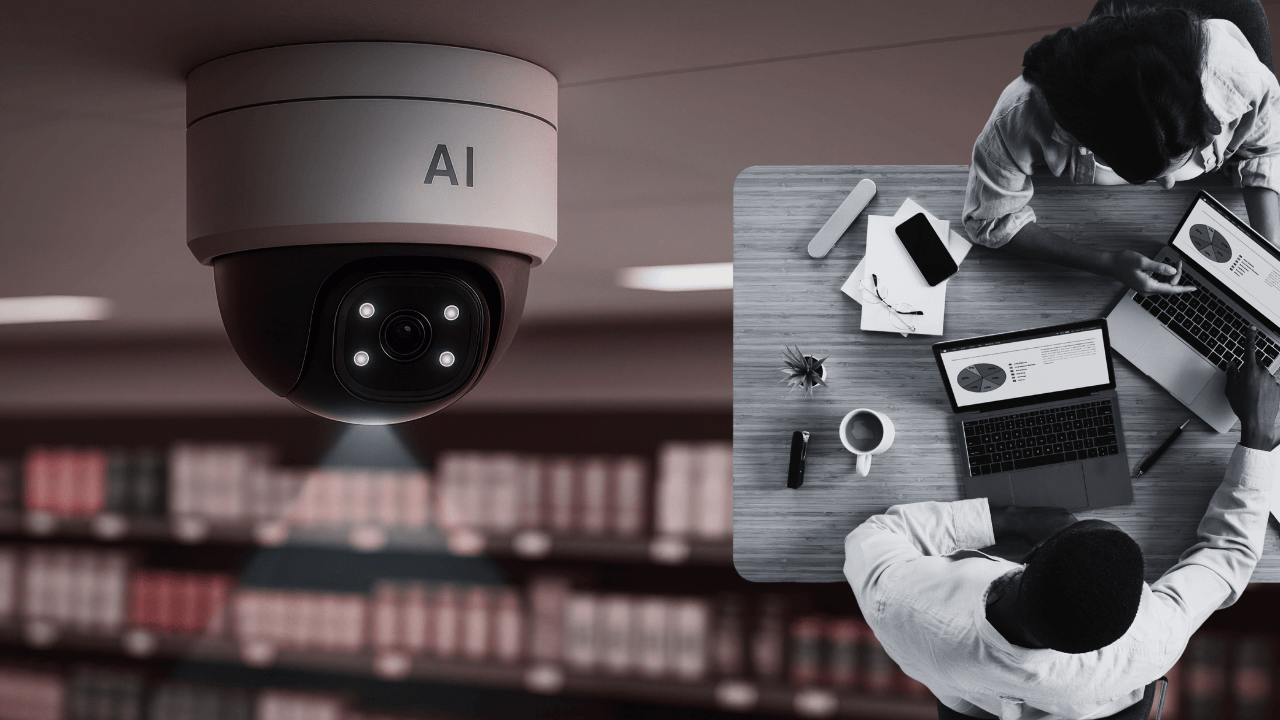
MELBOURNE, AUSTRALIA — Two of Australia’s most populous states are advancing landmark legislation to regulate workplace surveillance and artificial intelligence (AI), setting a new national precedent for employee privacy in the digital age.
The moves respond to the boom in remote work and the rise of sophisticated monitoring tools, sparking a fierce debate between employer groups that fear overreach and unions that demand protections from intrusive technologies.
Victoria and NSW lead AI oversight reforms
The Australian Financial Review says that new laws in Victoria and New South Wales are a direct response to the growing use of advanced employee-monitoring technologies.
In NSW, a first-of-its-kind bill amending work health and safety laws aims to safeguard workers from excessive surveillance or work allocation by AI systems.
This bill would give labor unions the authority to enter workplaces to check AI and computerized systems to determine whether they are being used to monitor unrealistic performance.
The action was justified by Premier Chris Minns, saying, “Now if that’s happening via AI, then I think your average employee has every right to understand why they’ve been rostered on and the patterns and the theory behind it.”
Concurrently, the Victorian government has backed recommendations to develop new, modern workplace surveillance protections. These proposed laws would impose a positive duty on employers to prove that any surveillance is reasonable, necessary, and proportionate to a legitimate purpose.
The recommendations include requiring employers to provide 14 days’ written notice before implementing surveillance, specifying its method and purpose, and banning covert surveillance without a court order.
This initiative follows a specific incident where Melbourne-based firm Safetrac was accused of spying on remote staff by turning laptops into clandestine listening devices, leading to settled unfair dismissal claims and accepted workers’ compensation claims for psychological harm.
Balancing innovation and worker rights
The proposed laws have sparked a controversial debate between the business interests of innovation and compliance, and the union’s counterarguments of worker safety and dignity.
The employer organizations have issued major threats, claiming that the rules will kill the use of technology and introduce new barriers to flexible working.
Business Council of Australia Chief Executive Bran Black warned that laws in NSW give unions unrestricted access to computer systems and might make normal business technology more difficult and dangerous to operate, putting the pace of Australia’s use of digital technology and AI at risk.
This was also reflected in the Chief Executive of the Australian Industry Group, Innes Willox, who feared that the introduction of complex new laws would push employers out of the work-at-home model.
“We should be making it easier for employers to facilitate working from home arrangements, not creating new disincentives to employers accommodating remote work,” Willox said.
On the other hand, unions and worker groups say these reforms are necessary to close a regulatory loophole that has fallen behind technological developments. They say that intrusive surveillance is already common and harmful.
The Shop Distributive and Allied Employees Association stated the NSW reforms ensure technology “is used to enhance, not undermine, the safety and wellbeing of all employees.”
The Finance Sector Union National Assistant Secretary, Nicole McPherson, highlighted that workers are subject to keystroke tracking and screen capturing from home, saying, “Many of these surveillance tools were never imagined when the existing laws were drafted. The result is a huge gap between what employers can do and what the law actually regulates.”
The Australian Services Union added that more than half of workers report being monitored, and the use of cameras to monitor employees in their homes raises fundamental privacy concerns.
“As working from home is embedded as a normal way of working, many workers complete tasks in their homes and, for example, using cameras to monitor a worker in their home adds a further layer of concern about people’s fundamental rights such as privacy,” said Tash Wark, Australian Services Union Victorian Secretary.
This legislation establishes a standard for the global workforce, beginning a crucial yet delicate balance between technological efficiency and individual privacy, which will radically transform the trust and power dynamics between employers and employees in the years to come.







