
AI tools reshape global hiring but raise ethical challenges

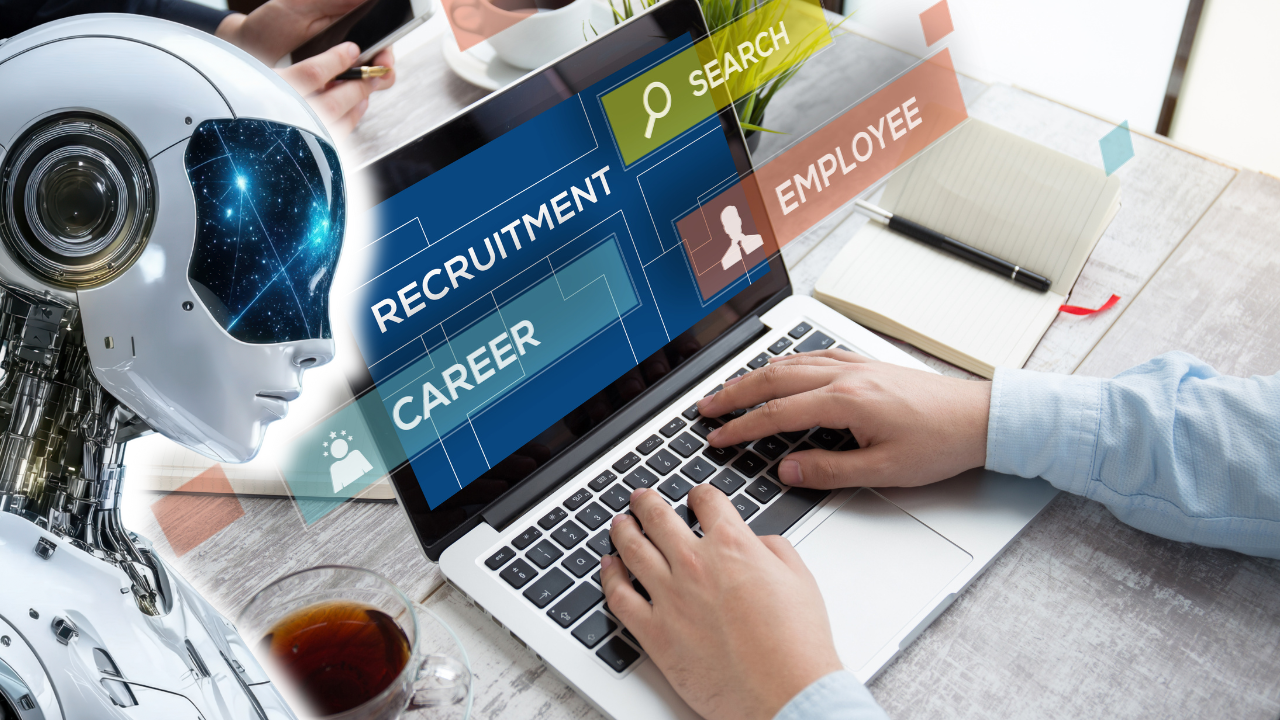
SYDNEY, AUSTRALIA — The rapid rise of artificial intelligence in hiring is reshaping how people apply for and evaluate jobs, but it’s also making recruitment more complicated, according to a report from Human Resources Director.
As both employers and candidates increasingly use AI tools to gain an edge, human resource teams are struggling to keep the process fair, efficient, and genuinely human.
The AI advantage and its pitfalls
Job seekers are turning to generative AI to write CVs, craft cover letters, and even respond to interview questions in real time.
“A lot of candidates are definitely doing it, especially because things are virtual,” said Tova Angsuwat, founder of recruitment firm Series Build and a former Google recruiter.
She described witnessing an applicant type frantically before answering during a virtual interview—likely using ChatGPT.
“For the most part, candidates are doing themselves a disservice when they use ChatGPT to come up with the interview questions live,” Angsuwat said.
But employers are not standing still. Many companies now rely on AI-driven systems to screen resumes, conduct automated interviews, and rank candidates.
According to Lauren Anderson, workplace expert at Indeed, this dual use of AI has created tension on both sides.
“It’s not that candidates dislike technology, and it’s also not that employers dislike technology, but they both dislike feeling like inventory,” Anderson told Human Resources Director.
This technological tug-of-war is emblematic of the future of work, where digital tools promise efficiency but risk depersonalizing the hiring experience.
Anderson warned that the ease of applying online has also overwhelmed recruiters: “The faster candidates can apply, the more recruiters get flooded with applications, and that’s making things feel really chaotic.”
Why human connection still matters in AI-driven hiring
A 2025 Greenhouse Workforce & Hiring Report found that while around half of candidates use AI to prepare for interviews, only about one in ten consider it acceptable to use AI during live interviews.
Even more concerning, 28% of candidates admitted to using AI to generate fake work samples, raising ethical red flags for HR departments. “Hiring is stuck in an AI doom loop,” said Daniel Chai, CEO of Greenhouse.
To restore balance, some companies are reintroducing in-person interviews. Google, for example, reinstated at least one face-to-face round “to make sure the fundamentals are there,” according to CEO Sundar Pichai.
Others, like Canva, have chosen to embrace AI transparency rather than ban it outright.
Despite the uncertainty, recruitment leaders agree that human connection must remain central. “Ultimately, recruitment is about people working with people—human interaction has to remain at the core,” said Damien Miller of Sharp & Carter.
He added that while AI can help candidates “tailor applications more effectively,” they must not “lose their own voice.”
As AI reshapes hiring in the coming decade, the future of work will depend on how well humans and machines learn to collaborate without losing the authenticity that makes a good hire truly stand out.







