
AI use intensifies work and risks ‘silent’ burnout, research shows

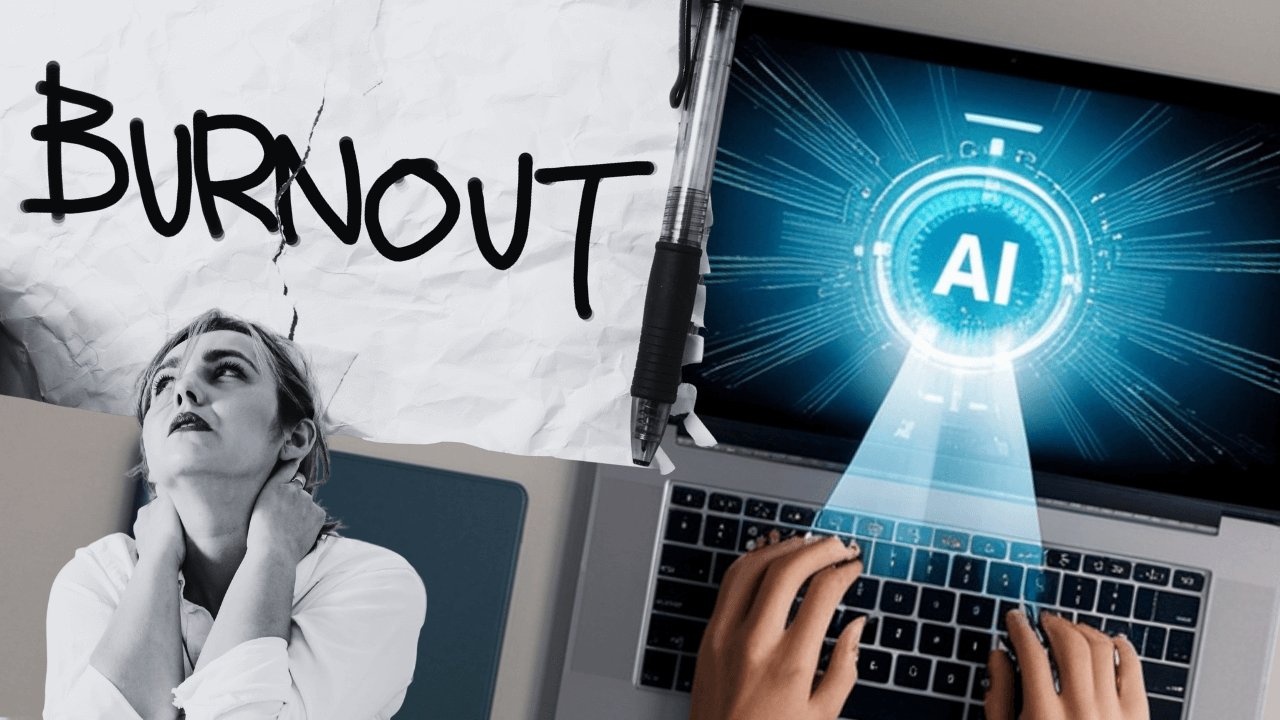
NEW YORK, UNITED STATES — An eight-month study of a U.S. technology company reveals that the use of generative AI tools does not reduce workload but consistently intensifies it.
According to the study conducted at the University of California-Berkeley and published in Harvard Business Review, AI adoption is leading to task expansion, blurred boundaries, and significant cognitive strain.
The research, completed in December, found that employees voluntarily worked faster and longer because AI made increased productivity feel accessible and rewarding. This created a cycle of “workload creep” that companies often overlook until burnout and turnover emerge.
‘Vibe-coding’ and the ripple effect on quality
The product managers and designers started writing code, the researchers were working on their engineering tasks, and people throughout the organization did jobs they would have outsourced or put off.
Researchers observed that this growth in tasks occurred because AI provided an empowering cognitive boost, making a person less reliant on other workers, offering immediate feedback, and, as a result, new responsibilities felt more approachable.
But this voluntary increase in job scope led to serious knock-on effects, especially among engineers. The more colleagues applied AI to produce code, a behavior referred to as vibe-coding, the more engineers had to spend time attempting to correct and supervise this AI-guided code.
This was an informal oversight, manifested in Slack threads and abrupt consultations, that influenced engineers’ workloads without a promotion.
According to ongoing studies, AI helped people assimilate work that would otherwise have required an extra number of people. Still, it added to the tasks of specialized positions that must ensure quality control.
The report notes: “For workers, the cumulative effect is fatigue, burnout, and a growing sense that work is harder to step away from, especially as organizational expectations for speed and responsiveness rise.”
The ‘always-on’ trap: Work snacks and blurred boundaries
The study highlights a phenomenon researchers call “work snacks”—tasks easily sneaked into what had been break time. Employees reported prompting AI during lunch, inside other meetings, or while waiting for files to load.
Because communication with AI is conversational, the experience felt less like “work” and more like chatting. This led to spillover into evenings and early mornings without premeditation.
Over the eight-month observation period, this behavior became habitual, and downtime no longer provided the same sense of recovery for many employees.
Researchers documented that as prompting during breaks became normalized, the workday contained fewer natural pauses, resulting in a more continuous involvement with work.
The boundary between work and non-work did not disappear. Still, it became easier to cross, producing an ambient work environment where tasks could always be advanced a little further.
The partner illusion and rising cognitive load
Employees of the technology firm often referred to AI as a companion that helped them keep pace, enabling them to handle multiple threads simultaneously.
Employees found themselves manually writing code while AI generated an alternative version, running multiple agents in parallel, or reviving long-deferred tasks because AI could “handle them” in the background.
This sense of having a partner created a feeling of productivity, but the reality involved continual switching of attention, frequent checking of outputs, and a growing number of open tasks.
This rhythm raised implicit expectations for speed within the organization. Though automation supposedly reduced pressure, many workers claimed they had to do more simultaneously and experienced increased pressure after switching to AI.
The researchers have found a self-reinforcing cycle: the faster AI performed work, the more people demanded faster work; the more people demanded faster work, the more they became dependent on AI; and the more the work increased in size and density.
As the report notes, “Our findings suggest that without intention, AI makes it easier to do more—but harder to stop.”
The hope that productivity savings would mean workers would work less proved incorrect, as one engineer summed up: workers worked as many hours, or even more, while dealing with heightened mental loads.
This silent workload creep, the ongoing research cautions, can lead to impaired judgment and burnout if organizations do not introduce clear norms for AI use.
“An AI practice offers a counterbalance: a way to preserve moments for recovery and reflection even as work accelerates. The question facing organizations is not whether AI will change work, but whether they will actively shape that change—or let it quietly shape them,” the report concludes.
While an eight-month study suggests AI is making work more intense, not less, and risks creating “silent” burnout, these findings are not final.
The real challenge for companies will be whether they step in now to set clear rules that protect employees’ downtime before the long-term damage takes hold.







