
Amazon extends remote work for H-1B workers stuck in India

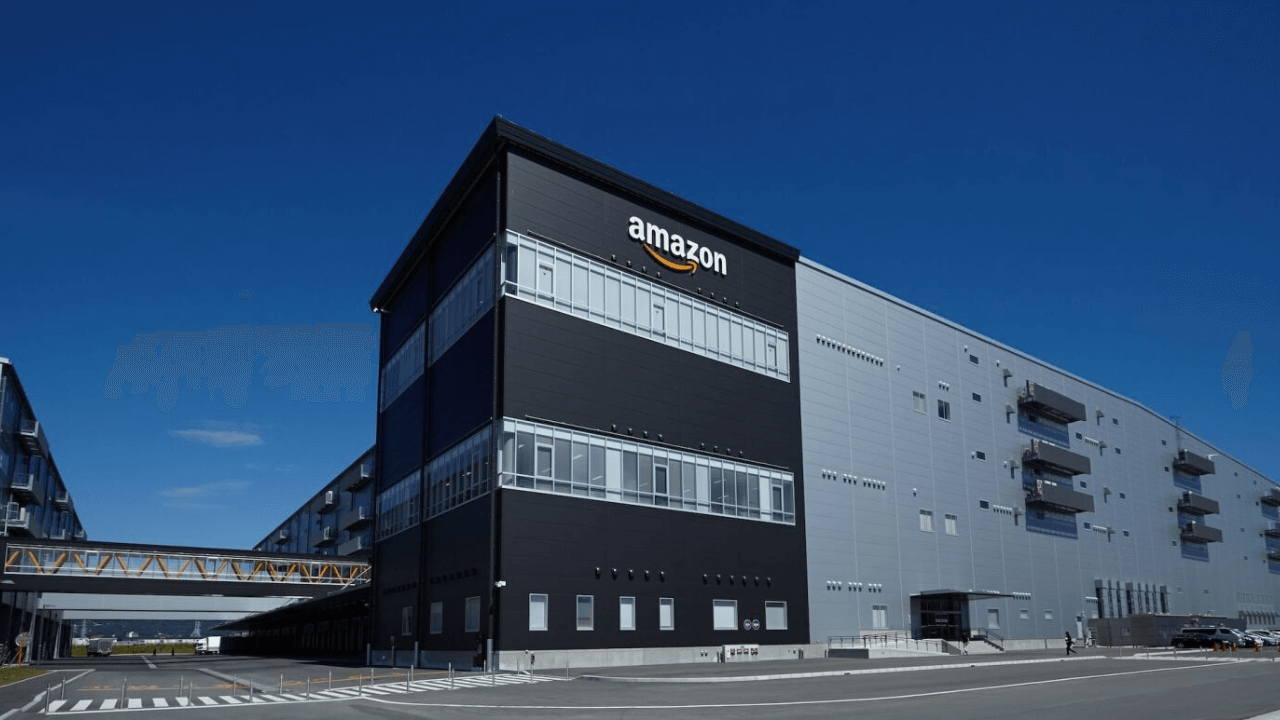
KENTUCKY, UNITED STATES — Amazon has made a rare exception to its strict return-to-office policy, allowing employees stranded in India due to United States visa delays to work remotely until March 2026.
According to a report from WebProNews, the move comes with restrictions barring coding, customer interactions, or strategic tasks, highlighting both immigration bottlenecks and corporate flexibility in managing global talent.
Amazon’s remote work exception for visa-holders
According to an internal memo, employees affected by the visa backlog are “permitted to operate from India until early March 2026,” but cannot engage in core tasks such as coding or strategic decision-making.
The exception marks a departure from chief executive officer (CEO) Andy Jassy’s January 2025 mandate requiring five-day office attendance, a policy designed to foster collaboration and innovation.
Visa delays have been intensified by stricter social media vetting policies under the U.S. administration, leaving thousands of H-1B visa holders in limbo.
As reported, the affected employees are often Indian nationals employed by U.S. tech firms who must periodically return home for visa stamping, with prolonged delays threatening visa expirations.
Amazon’s approach is mirrored by peers like Google and Microsoft, who are exploring hybrid or fast-tracked solutions to keep projects moving.
Sources suggest the remote workaround supports administrative tasks and virtual meetings but falls short of full productivity, potentially straining U.S.-based teams.
Visa restrictions, security compliance and impact on outsourcing
The memo from Amazon further mentions “significant restrictions” on remote work to prevent exposure to proprietary code or customer data and thus ensure compliance with U.S. trade secrets laws and data protection regulations.
With the massive case count at Amazon, experts estimate more than 10,000 tech workers could be impacted each year, highlighting the weaknesses of relying on talent that needs a visa to work.
The company’s temporary pivot reflects broader discussions in the tech sector about remote work flexibility, workforce retention, and international talent flows.
This could be beneficial for India’s outsourcing industry, as companies like Infosys and TCS could potentially benefit from increased opportunities if U.S. giants shift their workloads abroad, thereby subtly altering the balance of global tech operations.
Ultimately, Amazon’s decision illustrates the delicate balance between corporate policy, immigration realities, and operational continuity.
By limiting remote tasks to non-sensitive work, the company not only navigates legal and security constraints but also sets an example of strategic flexibility that may resonate across the global outsourcing system.







