
Anthropic’s architect of Claude Code reveals what makes a great hire

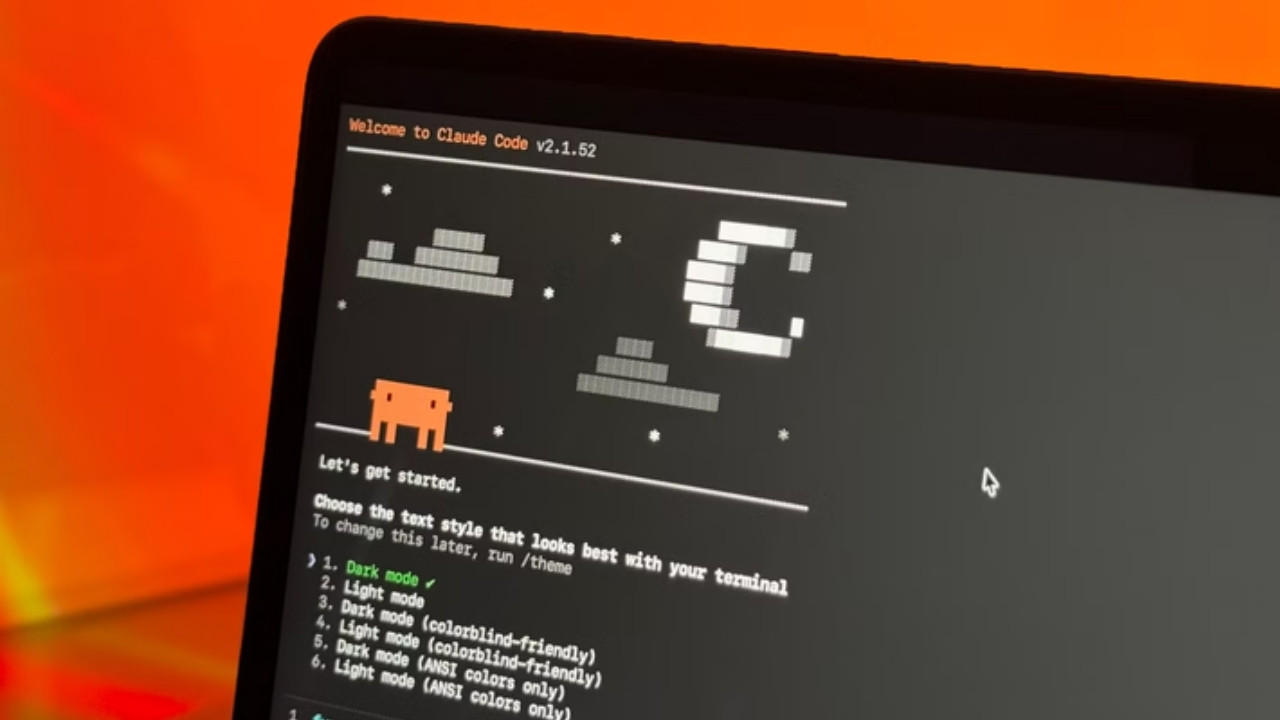
- Anthropic completed its IPO at a $965 billion valuation
- Claude Code head Boris Cherny names three traits Anthropic hires for
- They are generalist context, low ego and empirical grounding
- Ideal candidates combine two domains, such as engineering and design
NEW YORK, UNITED STATES — Anthropic recently completed its IPO at a $965 billion valuation — and Boris Cherny, head of Claude Code at Anthropic, says the company’s hiring success comes down to three traits that have nothing to do with technical credentials alone.
Anthropic wants generalists with context, not specialists with depth
“We like generalists, because they have context across more than just engineering,” said Cherny.
According to Fortune, He described the ideal Anthropic hire as someone who combines two domains — engineering and design, engineering and product, data science and design — giving them the ability to move fluidly across disciplines rather than optimizing within a single function.
“Ego just gets in the way of stuff,” said Cherny. “You want to be okay and safe shipping an idea that might turn out to be bad.”
The formulation identifies low ego not as a personality preference but as a performance requirement — the trait that enables fast iteration and honest course correction in AI product development.
The third criterion: being anchored to reality
“The third thing is we love empiricists — people that are learning from the data, and that are anchored to reality,” said Cherny.
In practice, this means hiring professionals who update their positions when customer feedback contradicts internal assumptions, rather than defending early ideas past the point of evidence.
Ben Goodwin, CEO of Olipop, reinforced the low-ego standard from outside the AI sector: “We cannot hire people whose personal egos are ever bigger than the mission.”
Claire Isnard, former CPO and COO of Chanel, said that professionals who ‘want to work solo or are mercenaries doing things only for the short-term’ will not fit high-collaboration organizations.
Monica Cepak, CEO of Wisp, said candidates who consistently use ‘I’ instead of ‘we’ ‘can’t work well in an environment like ours.’
Anthropic’s three-trait framework — generalist context, low ego, empirical grounding — maps directly onto what AI product teams require: professionals who can span domains, accept failure as data, and update their approach when the evidence demands it.
For BPO and offshore staffing providers competing for AI-sector contracts, the Cherny framework is a useful calibration tool.
AI clients are moving away from credential-led hiring toward trait-led selection — and the offshore teams that get extended engagements will be those that demonstrate cross-domain thinking, collaborative instincts, and the empirical adaptability to course-correct when a client’s AI implementation reveals unexpected realities.
Providers that build these traits into their selection and development processes will differentiate at the proposal stage.
Related news
- Google engineer finds rival’s AI replicate year of work in one hour · 8 Jan
- AI could wipe out 50% of entry-level white-collar jobs: Anthropic CEO · 3 Jun 2025
- Anthropic pledges $200Mn to study AI’s toll on jobs workers · 25 Jun
Disclosure: Outsource Accelerator uses AI tools in the backend of its editorial workflow. Every article is reviewed and verified by a human editor before publication.
Stay ahead of the outsourcing industry. Join thousands of business leaders who rely on Outsource Accelerator for the news, trends, and expert insights that matter. Subscribe to our free newsletter and never miss an update.








