
Arizona hospital’s EHR tune-up yields major efficiency gains

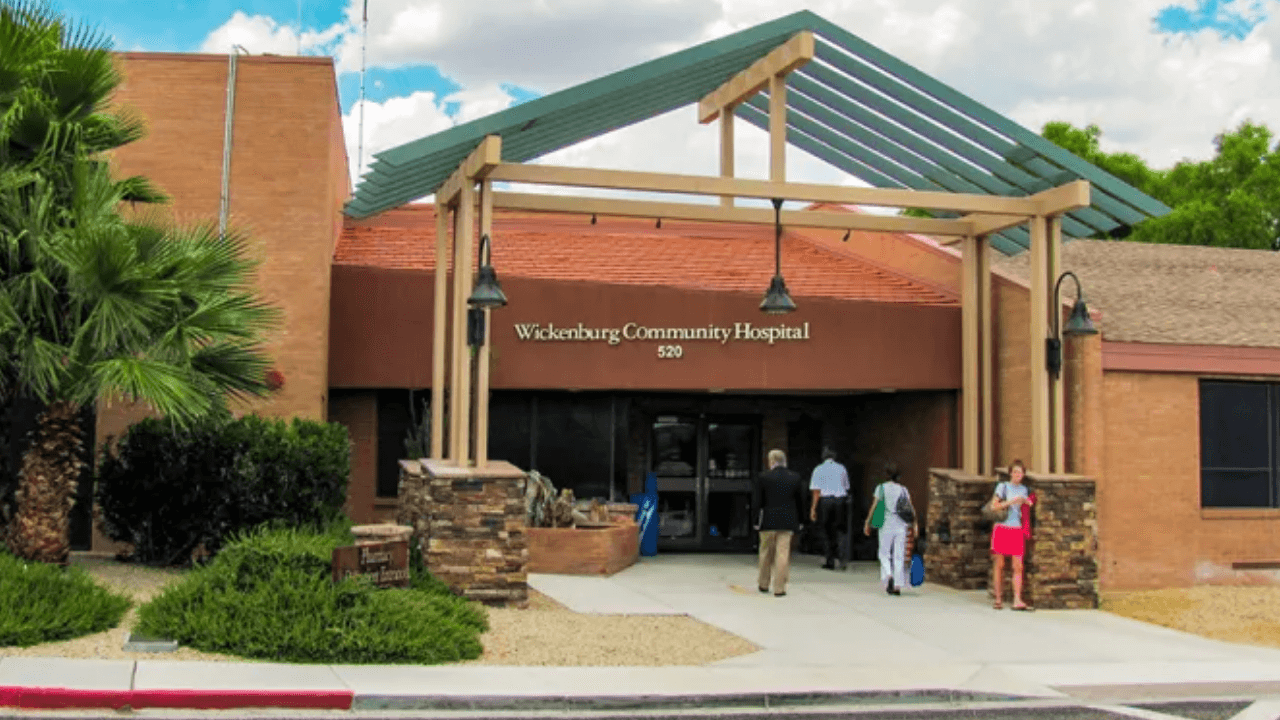
ARIZONA, UNITED STATES — Wickenburg Community Hospital has achieved significant operational gains by optimizing its existing electronic health records (EHR) system, rather than replacing it.
In a sit-down interview with Healthcare IT News, Teresa Weber, Clinic Practice Manager at Wickenburg Community Hospital, stated that the initiative has saved hours of daily manual work, drastically reduced patient no-shows, and improved surgical efficiency, offering a blueprint for other rural facilities.
“Our use of personal digital assistants in materials management also saves our team about two to three hours of manual work each day. These devices make our processes more electronic and efficient,” Weber told Healthcare IT News.
EHR optimization offers affordable alternative to replacement
A thorough evaluation revealed the facility was not utilizing the full functionality of its existing TruBridge EHR. This discovery, coupled with the prohibitive costs of a full system replacement—which would have included data migration, potential hardware upgrades, and extensive staff training—made optimization the fiscally responsible choice.
Reducing clinical workflow or staff productivity was also a priority of the decision. Weber pointed out that training on a completely new EHR will be a significant time investment that will undoubtedly impact operations.
“We also considered the significant time commitment involved in learning an entirely new EHR. This would inevitably affect our clinical workflows and staff productivity. Given these considerations, optimizing our current system offered a more fiscally responsible and less disruptive path forward,” she explains.
In the case of this rural critical access hospital, located 60 miles outside of Phoenix, maximizing the current system was a more sustainable and less disruptive direction to take, as it maximized their initial investment without the high costs associated with a rip-and-replace project.
How EHR optimization improved hospital workflow and engagement
The hospital’s success was rooted in a structured, collaborative approach that involved both internal stakeholders and the EHR vendor. Internally, the initiative began by appointing a dedicated system owner who could bridge the gap between clinical and IT languages.
“We started by assigning someone to ‘own’ and represent the EHR system. This person must speak both the clinical language and the IT language, engaging and motivating colleagues in the process,” Weber notes.
The formation of a steering committee, sponsored by two executive leaders, ensured organizational buy-in and met weekly to address pain points and advance the project. This was complemented by the creation of subcommittees to manage broken processes and by actively listening to employee needs across all departments.
Externally, maintaining open and honest dialogue with the vendor, TruBridge, was critical. Weber stated that having tough conversations to address specific pain points was invaluable, and the vendor’s dedicated resources were instrumental in overcoming roadblocks. This partnership allowed the hospital to identify and implement untapped capabilities within its existing system.
Strategies like demoing the current system to uncover paid-for but unused features and standardizing well-documented workflows were essential for engaging all clinicians, including visiting specialists accustomed to other EHRs, ensuring everyone felt heard and empowered.







