
Australia loses $1.26Bn weekly to gender pay gap, KPMG reports

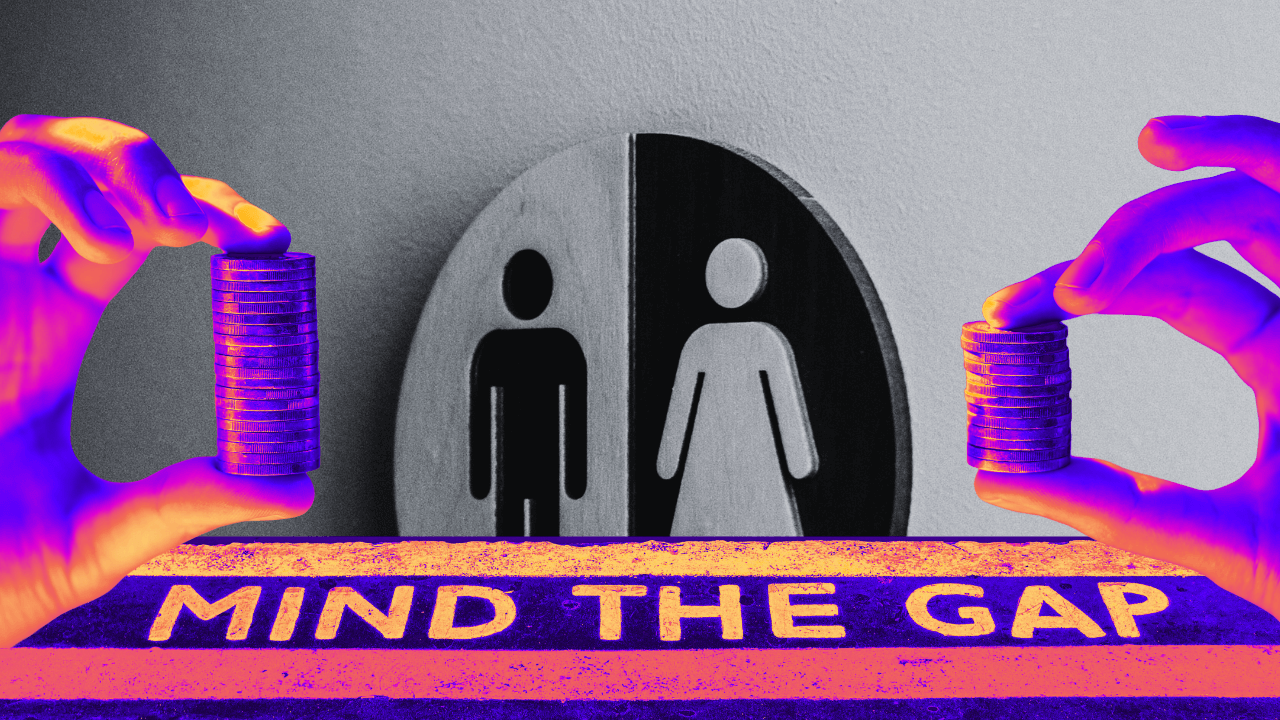
SYDNEY, AUSTRALIA — Australia’s gender pay gap is costing the equivalent of $1.26 billion in lost earnings each week, according to a major new economic analysis.
The fifth edition of the KPMG’s She’s Price(d)less report, released by KPMG Australia, the Diversity Council Australia (DCA), and the Workplace Gender Equality Agency (WGEA), identifies workforce segregation and unequal care burdens as primary drivers, warning that the gap will not close for over 25 years without concerted action.
“The gender pay gap in this country remains persistent and pervasive, with the types of jobs women were employed in and the higher proportion of unpaid hours spent on household and caring responsibilities, the main contributing factors,” said Dorothy Hisgrove, Head of People and Inclusion at KPMG.
Industrial segregation drives wage disparity
The report identifies the concentration of women with lower income and roles as the single largest factor underpinning the national pay gap.
This occupational and industrial segregation accounts for 37% of the total gap, as roles traditionally dominated by women systematically offer lower remuneration.
The data shows women earn an average of $42.26 per hour compared to men’s $45.57, a direct reflection of this entrenched market disparity.
This segregation corresponds to a clear separation in workforce participation patterns according to care responsibilities. The percentages of females among part-time and full-time workers are 66.5% and 39.8%, respectively, which is imbalanced in terms of family and caring obligations.
It is one of the factors that contributes 26% of the pay difference because it limits the hours, career advancement, and potential lifetime earnings of women compared to men.
Catherine Hunter, Chief Executive at DCA, notes, “For culturally and racially [marginalized] (CARM) women in particular, the barriers they face in the workplace are not shaped by gender alone. They are compounded and layered in ways that traditional frameworks have often failed to capture.”
Discrimination fuels 55% of the pay gap
Contrary to the assumption that higher-ranking jobs lead to pay equity, the analysis shows that the gender pay gap widens significantly at higher income levels.
The pay gap between women in senior positions is 18%, whilst in low-wage positions, there is little or no pay gap.
This indicates that as responsibility increases, the financial penalty for being a woman in the workforce grows more severe.
Perpetrators of discrimination, and other influences that cannot be easily measured statistically, make up more than half (55%) of the total pay gap.
This high percentage does not decrease even after variables such as segregation and care responsibilities have been taken into consideration, and this shows that there is deep-rooted discrimination in the compensation decision.
With the overall gap growing to 7.3% and unlikely to narrow until 2054, the report demonstrates that to make economic progress, it is particularly necessary to discuss these inexplicable gendered effects.
Mary Wooldridge, CEO of WGEA, stressed, “Employers have an opportunity to drive productivity and meet employees’ expectations of a fair, safe, and equal workplace by examining their own workforce data, finding areas of inequality, and taking evidence-informed action to address them.”







