
Avera Health expands virtual nursing to boost rural hospital staffing

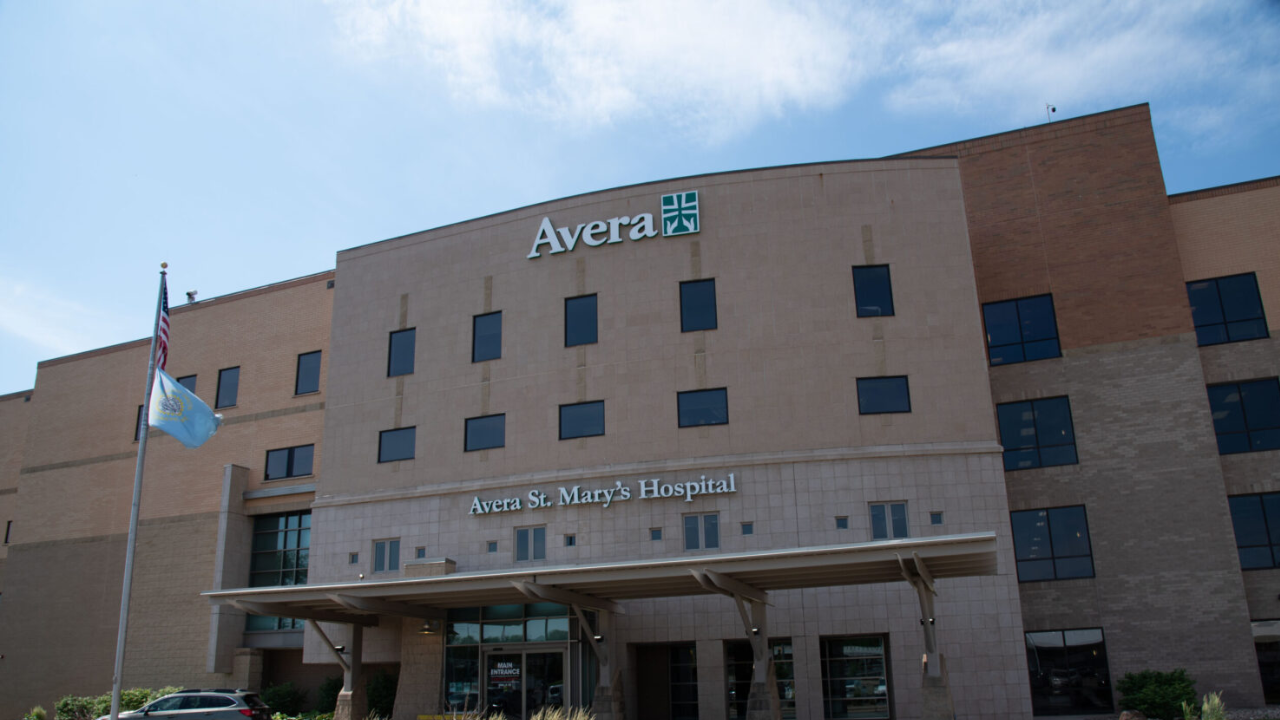
SOUTH DAKOTA, UNITED STATES — Avera Health is leveraging virtual nursing to tackle chronic staffing shortages in its rural facilities. The program, now expanding, has already improved nurse retention and patient safety by providing remote support, according to Becker’s Hospital Review.
Avera Health has also been awarded over $1 million in federal funding to broaden its virtual nursing program across 28 rural healthcare sites in four states.
Virtual nursing improves rural nurse retention
Overall, this has been a challenge in the rural environment, as exemplified by Avera St. Mary Hospital, where staffing and nurse retention have been significant issues.
This is directly addressed by Avera Health’s virtual nursing program, which creates a new, flexible option in career paths that extends the careers of older nurses who may no longer want or be able to work at the bedside.
This model provides a vital means to sustain smaller community hospitals, which remain staffed and active, and transform a staffing crisis into an opportunity for innovation.
“Our virtual nurses are really experienced nurses, and so those nurses can provide some mentoring to some of these rural nurses, because they maybe are newer, or maybe they don’t experience the same kind of variety of things that a larger facility would,” Kristine Becker, Avera Health’s Director of Virtual Health, told Becker’s Hospital Review.
The achievements of the program can be demonstrated by the fact that it has yielded certain tangible results, the most significant of which is that nurse retention rates at Avera St. Mary Hospital has nearly doubled since the program was launched.
Moreover, as the bedside nurses complained, virtual support allowed them to take at least some basic breaks, such as lunch, which, in the long term, helped reduce burnout and make work conditions more sustainable. This direct impact on retention is a key indicator of the program’s value for sustaining rural healthcare.
Federal grant supports telehealth expansion
The grant of $1,017,126, provided through the United States Department of Agriculture (USDA) Distance Learning and Telemedicine Program, will be used to deploy remote nurses for administrative and educational tasks, including patient admissions, discharges, and safety monitoring.
The project addresses staffing gaps to ensure that bedside nurses are freed to focus on direct patient care, thereby improving overall efficiency and access to critical healthcare services in underserved communities.
Remote nurses reduce burnout, improve patient safety
In addition to staffing, the virtual nursing framework proactively enhances the quality of care and safety in rural hospitals. The highly experienced remote nurses add a monitoring layer to patients, which reduces the number of patient falls recorded at the Avera Health facilities.
This extra pair of eyes and ears is directly related to improved patient outcomes, as higher-risk individuals can be closely observed.
Another useful, albeit sharp, advantage is the mentorship that experienced virtual nurses have offered to less experienced staff in rural environments. Small hospitals with a limited number of nurses may not have a similar case mix to that of a large urban center and may therefore lack experience.
The virtual nurses integrate into the daily care process, providing support and knowledge that would otherwise be difficult to obtain, thereby enhancing the capabilities and self-esteem of the overall care team.







