
Bahamian firms tackle labor shortages with AI, outsourcing

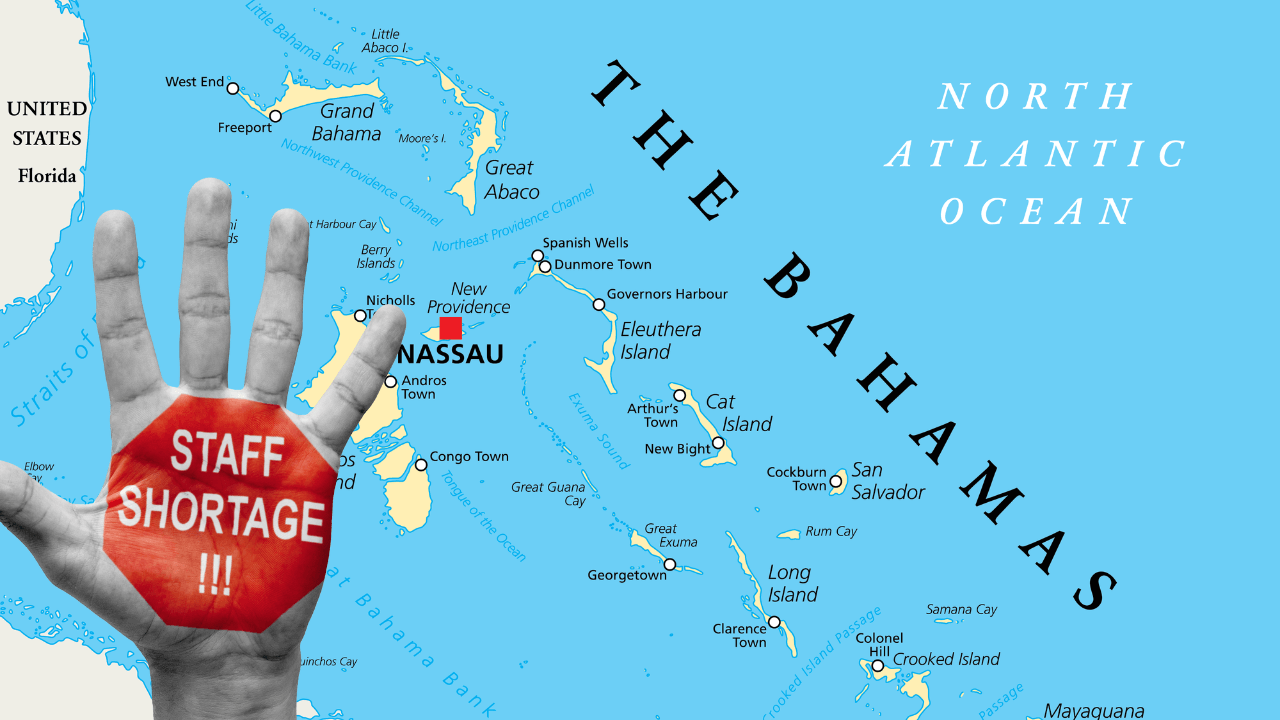
NASSAU, BAHAMAS — As the Bahamas faces a persistent shortage of skilled workers, local businesses are increasingly turning to innovative solutions such as outsourcing and artificial intelligence (AI) to maintain productivity and competitiveness, according to a thought leadership article from Ian Ferguson, a talent management and organizational development consultant.
Writing for The Tribune, Ferguson notes that demographic pressures and global competition for talent are unlikely to ease anytime soon, making strategic workforce planning more crucial than ever.
Outsourcing and AI ease labour gaps
“One of the most immediate steps companies can take is outsourcing non-core tasks,” Ferguson writes.
Many small and medium-sized enterprises in the Bahamas spend significant time on functions like bookkeeping, human resources, marketing, and customer service.
Outsourcing these responsibilities to specialized firms allows businesses to scale operations efficiently without incurring the costs of full-time hires. More importantly, it frees existing teams to focus on higher-value work, boosting overall productivity.
Ferguson also highlights the role of automation and AI in addressing labor shortages.
“While technology is not a full replacement for skilled workers, it can reduce workloads by handling routine processes such as invoicing, document scanning and even basic content creation,” Ferguson said.
With industries worldwide adopting AI-assisted tools for tasks ranging from lesson planning to order processing, Bahamian employers have an opportunity to stretch the capacity of their current workforce using similar solutions.
Investing in people and rethinking recruitment
Beyond technology, Ferguson emphasizes investing in employees to improve retention. Supporting career growth through certifications, short upskilling modules, and on-demand training enables workers to see a future within their companies.
“Workers who see a future with their company tend to remain longer and perform better,” Ferguson writes.
Transparent discussions about long-term advancement, coupled with recognition programs, can further strengthen morale at a relatively low cost.
Recruitment practices are evolving as well. Ferguson notes that companies can attract a broader talent pool by streamlining job requirements and offering flexible work arrangements such as remote or hybrid schedules.
Creative job structuring, fractionalizing roles, or assigning low-skill duties to outsourced staff can allow highly skilled employees to focus on specialized work while fostering professional growth.
As the labor shortage continues, the Bahamian outsourcing industry stands out as a vital enabler of workforce efficiency and innovation. By combining AI, flexible job design, and targeted employee development, companies not only address immediate staffing gaps but also build sustainable strategies for long-term growth.
Ferguson’s analysis underscores that in today’s competitive market, thoughtful talent management paired with technological adoption can transform challenges into opportunities for resilience and expansion.







