
1.9Mn Philippine BPO workers gain credit access in Maya-IBPAP deal

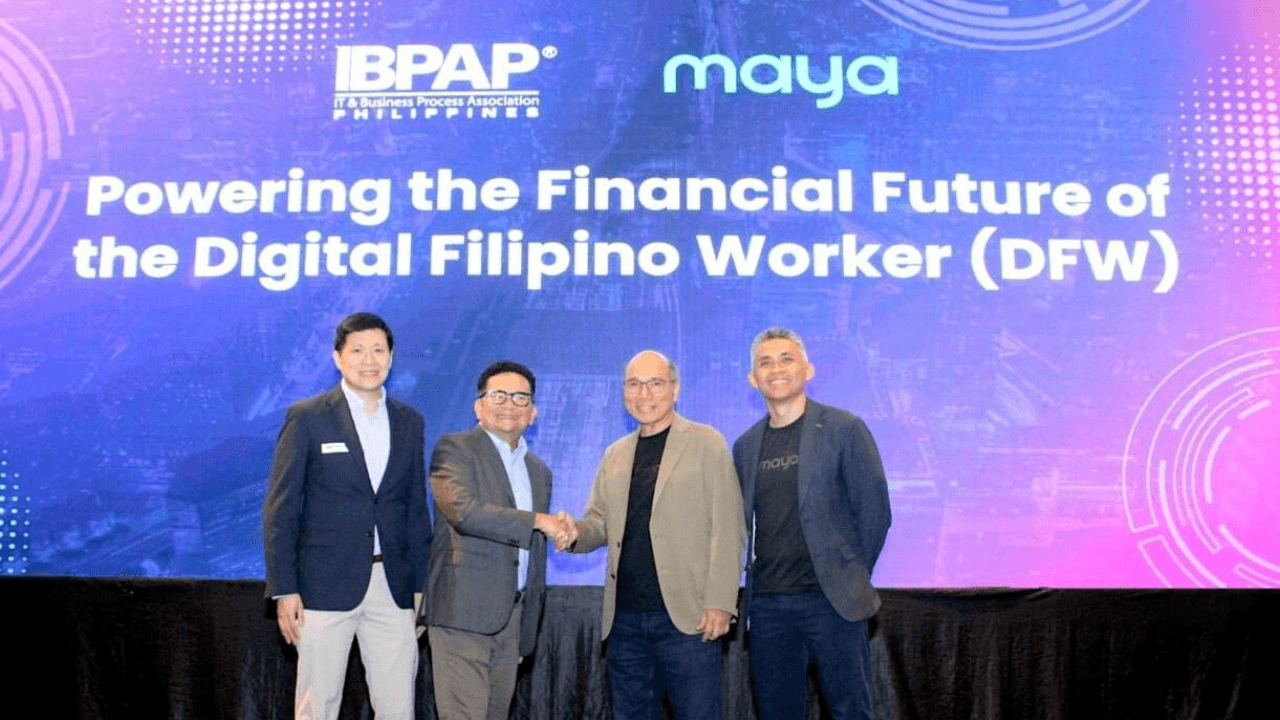
MANILA, PHILIPPINES — Nearly 1.9 million business process outsourcing (BPO) workers in the Philippines could soon gain wider access to credit cards and banking services under a new initiative launched by fintech firm Maya and the industry group IT and Business Process Association of the Philippines (IBPAP).
According to a report by Manila Standard, the move aims to strengthen financial inclusion among one of the country’s largest digital workforces.
The program will provide qualified employees in the IT and business process management (IT-BPM) sector with formal financial tools, including savings products and responsibly underwritten credit cards. The effort seeks to help workers establish formal credit histories while reducing reliance on informal or high-cost lending options.
The Philippine IT-BPM industry serves as a key economic engine which drives national growth by contributing approximately 8% of gross domestic product (GDP) and generating over US$40 billion in annual revenue.
The industry employs a largely young and digitally savvy workforce, with many employees under the age of 35.
Boosting financial inclusion for Philippine BPO workers
Access to structured financial products could strengthen the sector’s workforce stability and long-term growth.
“Financial resilience is directly linked to workforce stability and industry competitiveness,” said Jack Madrid, president of IBPAP.
“By strengthening access to structured financial tools, we support retention, engagement and long-term economic mobility within one of the country’s most important growth sectors,” he added.
Orlando Vea, founder and group chief executive of Maya, emphasized the broader economic implications of the initiative.
“Millions of Filipino digital workers support customers around the world in managing their financial transactions every day,” Vea said.
“Yet many of these same workers have historically had limited access to formal financial tools themselves. When we equip digital workers with savings tools and responsibly structured credit, we enable them to build real financial footprints—opening doors to housing, mobility, insurance and long-term asset building,’ Vea added.
Digital banking tools for a growing outsourcing sector
Angelo Madrid, president of Maya Bank, said the program aims to place savings products and credit cards in the hands of qualified digital workers across the industry.
“We want savings tools and responsibly issued credit cards in the hands of every Filipino digital worker who qualifies,” Madrid said.
“Responsible credit is not about increasing debt—it is about expanding access to formal financial tools that build stability and long-term opportunity,” Madrid added.
Madrid explained that Maya plans to leverage digital data, disciplined underwriting, and transparent credit terms to serve workers who are “often bankable but underserved.”
The partnership intends to develop new methods in modernizing payroll, disbursement and reimbursement systems for outsourcing companies operating 24 hours a day from multiple locations, and in addition to their financial product offerings.
The initiative was launched with representatives from the Bangko Sentral ng Pilipinas present, reflecting alignment with national priorities around financial inclusion and digital transformation.
As global demand for outsourced services continues to grow, initiatives that strengthen the financial stability of workers could reinforce the Philippines’ competitiveness as a leading outsourcing hub.
By pairing digital banking innovation with workforce development, the partnership signals how financial infrastructure may increasingly play a role in sustaining the long-term resilience of the country’s US$40-billion IT-BPM sector.







