
Businesses urged to embrace neurodiversity as key talent strategy

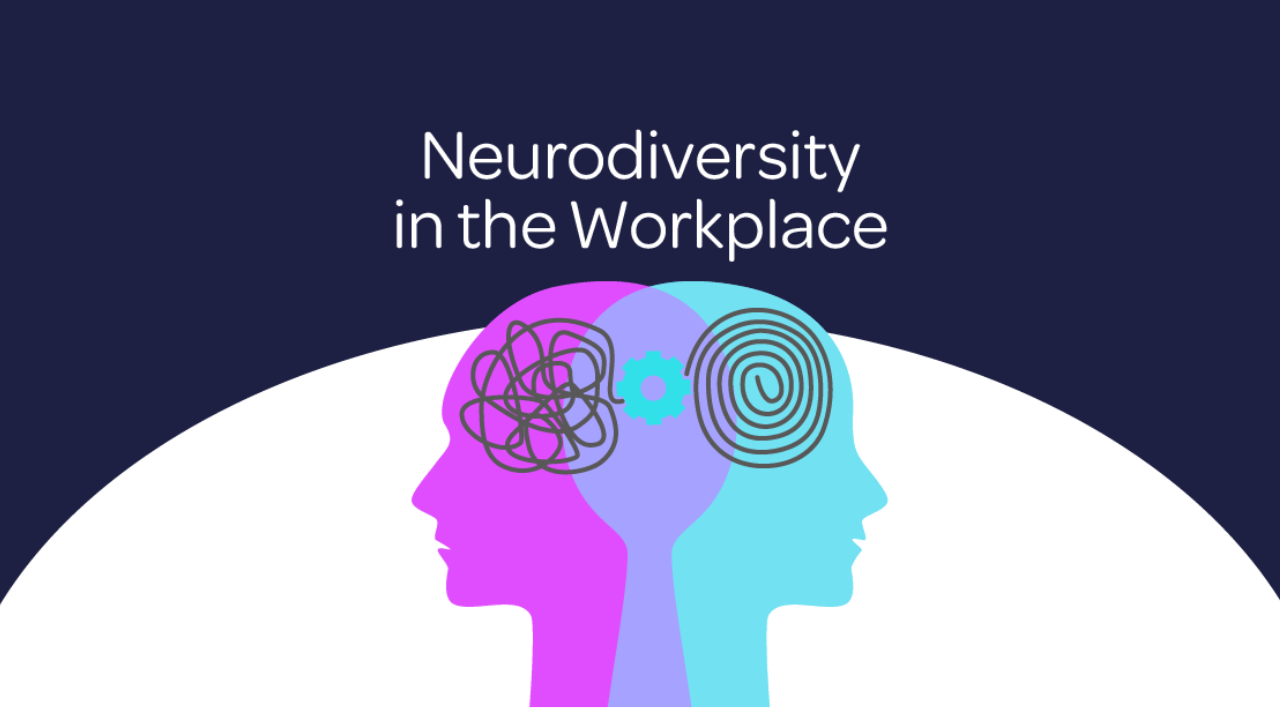
NEW YORK, UNITED STATES — A significant shift in corporate talent strategy is underway as experts urge businesses to recognize neurodiversity as a critical asset, according to an article by Sarah Babb on Acumen.
With an estimated 15% to 20% of the global population being neurodivergent, inclusive practices are no longer a niche concern but a central component for driving innovation, productivity, and employee engagement in the modern economy.
From deficit thinking to strength-based neurodiversity models
Some researchers, such as Professor of Psychiatry and Behavioral Sciences Lawrence Fung at Stanford, argue that neurodiversity should be viewed as a normal variation in human brain functioning, advocating for a shift in attitude away from a deficit-based approach.
Fung notes, “Neurodiversity is really a concept that regards differences in brain function and [behavioral] traits” and urges people “to see it as a normal variation of the human population.”
This paradigm shift is essential, as under proper accommodations, the perceived disability may be reduced, allowing better performance and resulting in a high level of loyalty among neurodivergent employees.
This perspective demonstrates the unique strengths tied to different neurodivergent conditions. To illustrate this point, individuals with autism are generally fantastic in terms of their concentration, attention to detail, and memory, whereas those with ADHD may have creative, strong, and calm minds during a crisis. By identifying these inherent talents, businesses can use more skills to provide a competitive advantage.
Why inclusion and simple accommodations pay off
Overlooking neurodiversity would attract quite high costs in terms of high staff disengagement and loss of talent. The Gallup Global Workplace 2024 Report states that 62% of all employees lack engagement, and 15% actively disengage. Loneliness is more common among younger workers.
Individuals who are neurodivergent experience these difficulties more acutely. They can result in social exclusion, anxiety, and depression, particularly when they are required to hide their characteristics to be assimilated into a neurotypical-based work environment.
The key to this is the introduction of simple, sometimes inexpensive accommodation that provides a welcoming atmosphere to everyone. Some of the supports required may also include noise-canceling headphones, adjustable lighting, quiet areas, and voice recognition programs.
“A great manager builds an ongoing relationship with an employee grounded in respect, positivity, and a deep understanding of the employee’s unique strengths and talents, essentially [recognizing] and leveraging each individual’s unique ‘gifts’,” the Gallup report states.
The expenditure of achieving such accommodations would be significantly less than that of losing talent and having to rehire it again. During an invisible war for talent, it is not only ethical but also necessary to create an environment that fosters neurodiversity, ensuring the business remains sustainable.
Building a culture that harnesses neurodiverse talent
Creating a truly inclusive culture takes a three-point process that extends beyond superficial measures. This starts with creating awareness throughout the organization to sensitize their personnel about neurodiversity and neurodivergence.
A significant component involves integrating neurodiversity into the company’s core strategy, values, and culture. This will entail redesigning diversity, equity, and inclusion (DEI) methods to incorporate neurodiversity, in line with the business’s talent needs.
The benefits that will be achieved as a result are that such a holistic approach will bring innovation through the reduction of groupthink and better resolution of problems as a variety of ideas are offered, and finally, there is higher productivity, brand loyalty, and engagement of employees across the organization.







