
CMS to pilot tech-enabled chronic care model for U.S. patients in 2026

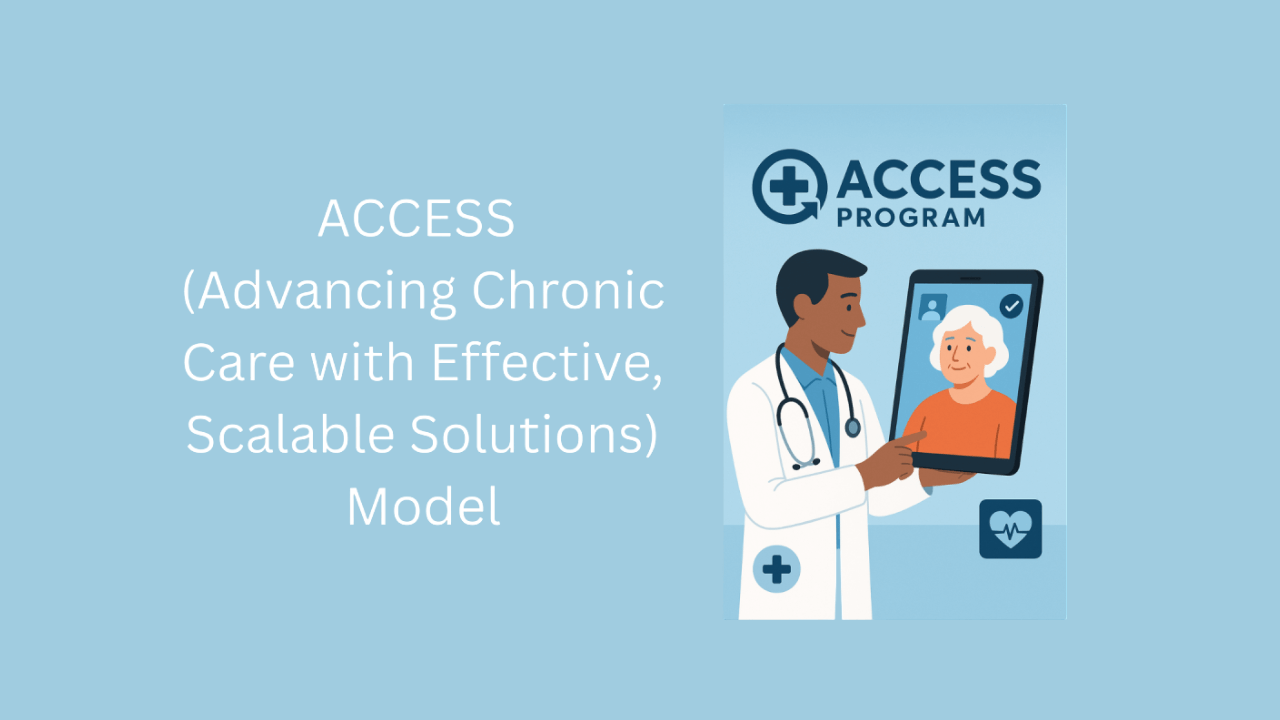
- CMS will launch the ACCESS Model for tech-enabled chronic care
- Applications open January 12, 2026 and close April 1
- The model formally launches July 1, 2026
- Tracks cover cardiometabolic risk, chronic pain and behavioral health
ILLINOIS, UNITED STATES — The Centers for Medicare & Medicaid Services (CMS) is preparing to launch a new payment model to expand tech-enabled chronic care for millions of seniors.
The move could reshape how hospitals, health systems, and clinics in the United States deliver long-term care across multiple specialties.
CMS pushes digital tools to the forefront of chronic care
Beginning January 12, 2026, CMS will accept applications for the new Advancing Chronic Care with Effective, Scalable Solutions (ACCESS) Model.
According to a report from Becker’s Health IT, the CMS announced on December 1 that it will soon publish a request for applications, and organizations can fill out an interest form to get notifications as the materials are released.
The deadline for applications is April 1, 2026, and the model will formally launch on July 1, 2026.
According to CMS, the program will evaluate whether linking payments to clinical outcomes can increase the use of digital tools to manage chronic diseases.
The agency says the model specifically targets chronic conditions common among Medicare beneficiaries, including high blood pressure, diabetes, chronic musculoskeletal pain, and depression.
CMS emphasized that individuals with original Medicare currently have limited access to technology-enabled care, underscoring a long-standing gap in chronic disease management services.
For healthcare providers, the implications are significant. Hospitals and clinics that have struggled with high chronic care workloads may now have access to recurring payments designed to support digital-first care models.
CMS confirmed that participants will receive ongoing reimbursements for achieving specific health outcomes, a structure designed to prioritize results and to provide clinicians with greater flexibility in delivering care.
Hospitals, clinics brace for new digital-care payments
The ACCESS Model includes several targeted clinical tracks, early cardiometabolic risks, cardio-kidney-metabolic diseases, chronic pain, and behavioral health conditions such as depression and anxiety.
These are areas where many providers face high patient volumes, inconsistent follow-up, and staffing constraints.
For health systems, the model may accelerate the introduction of remote monitoring, digital therapies, and virtual care workflows intended for the long-term management of diseases.
Smaller clinics can possibly be allowed to predict their reimbursements better, thus they would invest more confidently in digital tools, chronic care coordinators, and integrated platforms that lighten their load of administrative work.
The same goes for provider organizations, as they will have to evaluate their operational readiness. A new payment model based on outcomes will need strong data capture, real-time monitoring, and care teams skilled in coordinating care to take care of chronic diseases outside the clinic.
Even though chronic diseases continue to use the resources of the U.S. healthcare system, CMS’s tech-enabled care delivery model still draws the line through the patients’ channels to clinicians’ and health systems’ offsets to keep chronic diseases controlled.
A more proactive, digitally connected future where clinicians have flexibility, patients get access, and health systems get new tools is offered as a glimpse.
Related news
- Saudi hospital’s 24/7 virtual emergency care serves 23,500 patients · 6 Dec
- Health experts call for easier telehealth access for American seniors · 5 Dec
- U.S. health systems rebound in Q3 2025; outsourcing, virtual care help · 4 Dec
Disclosure: Outsource Accelerator uses AI tools in the backend of its editorial workflow. Every article is reviewed and verified by a human editor before publication.
Stay ahead in healthcare outsourcing. Join thousands of healthcare and business leaders who rely on Outsource Accelerator for the news, trends, and expert insights shaping medical BPO and the future of care delivery. Subscribe to our free newsletter and never miss an update.








