
AI’s data center boom reshapes U.S. hiring

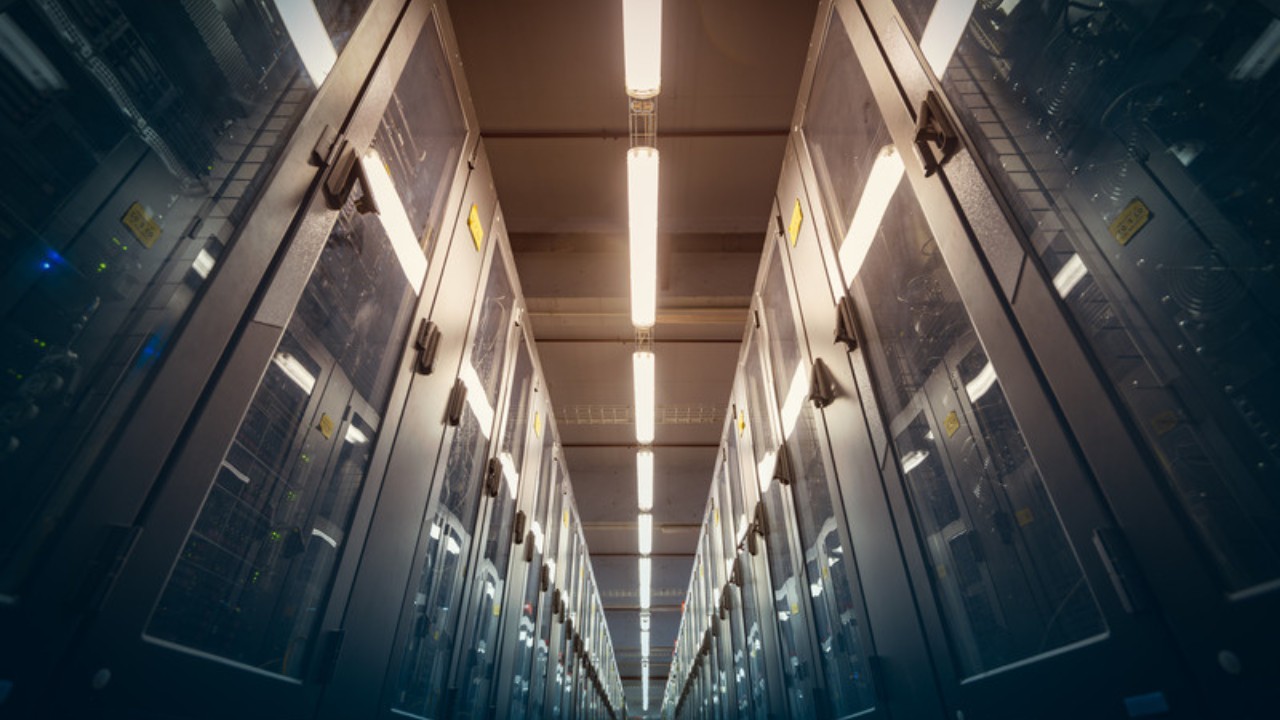
- Data center job postings more than doubled over two years
- Total U.S. postings fell 12% and tech postings 6%
- The top 10 tech firms control 71% of that volume
- Installation and maintenance workers earn 42% more per hour
TEXAS, UNITED STATES — Data center job postings have more than doubled over two years even as total U.S. job postings fell 12% and tech postings declined 6%, with Indeed Hiring Lab research by Laura Ullrich and Aubrey Woessner identifying a surge in AI infrastructure employment hidden beneath the headline slowdown.
Big Tech’s build-out rewards blue-collar skills over software
Data center postings now account for 6 per 1,000 U.S. listings, the top 10 tech firms control 71% of that volume in 2026, and the surge is reshaping hiring in secondary cities far from Silicon Valley — a concentration that makes AI infrastructure investment the most concrete labor market force in the U.S. tech economy.
About a quarter of data center openings target installation and maintenance workers — roles the tech industry’s prior hiring boom almost entirely ignored — confirming that the physical build-out of AI infrastructure demands a specialized trade workforce that conventional tech labor market tracking has not historically captured.
“Under the surface, there is a growing boom in tech jobs that don’t look like tech jobs,” wrote Laura Ullrich, director of economic research at the Indeed Hiring Lab, and co-author Aubrey Woessner.
Wage premiums concentrate where Big Tech is building
Installation and maintenance workers at data centers earn 42% more per hour than comparable non-data center roles — and annual data center salaries run 12% above non-data center equivalents — a wage advantage that positions data center work as a meaningful labor market upgrade for trade-skilled workers in the cities where the build-out is concentrated.
In Columbus, Jackson, and Reno, big tech firms’ share of local job postings jumped from under 2% in mid-2025 to over 10% — a geographic shift documented by data center industry analysts as driven by land availability, power access, and incentive structures in secondary markets rather than legacy tech cluster proximity.
IT infrastructure, operations, and installation roles together make up roughly 50% of all data center postings — a skills mix that sits closer to the trades than to Silicon Valley and that points to managed operations support as the most underdiscussed component of the data center build-out.
“AI is creating jobs too, and many of them are showing up in the same tech-related sectors,” Ullrich and Woessner wrote.
For Philippine BPO providers and offshore workforce suppliers, the data center hiring surge points directly at an underserved adjacency — U.S. technology clients scaling AI infrastructure need vendor management, procurement, technical coordination, and operational support functions that offshore teams are positioned to supply at scale.
As the data center boom concentrates in mid-tier U.S. cities and big tech’s hiring footprint expands geographically, the support infrastructure for this build-out will generate sustained outsourcing demand for years.
The physical installation work may be domestic — but the enterprise-scale administrative, procurement, and support functions behind it are not, and Philippine BPO operators positioned to serve U.S. data center clients will be the primary beneficiaries of the build-out’s long-tail support demand.
Related news
- AI, trade are reshaping local job markets: OECD · 9 Jul
- Workers face a ‘Darwinian Moment’: Palo Alto CEO · 7 Jul
- U.S. labor crisis is a mismatch problem, not a shortage: Hiring Lab · 23 May
Disclosure: Outsource Accelerator uses AI tools in the backend of its editorial workflow. Every article is reviewed and verified by a human editor before publication.
Stay ahead of the outsourcing industry. Join thousands of business leaders who rely on Outsource Accelerator for the news, trends, and expert insights that matter. Subscribe to our free newsletter and never miss an update.








