
Degrees alone won’t secure jobs, Nigerian students warned

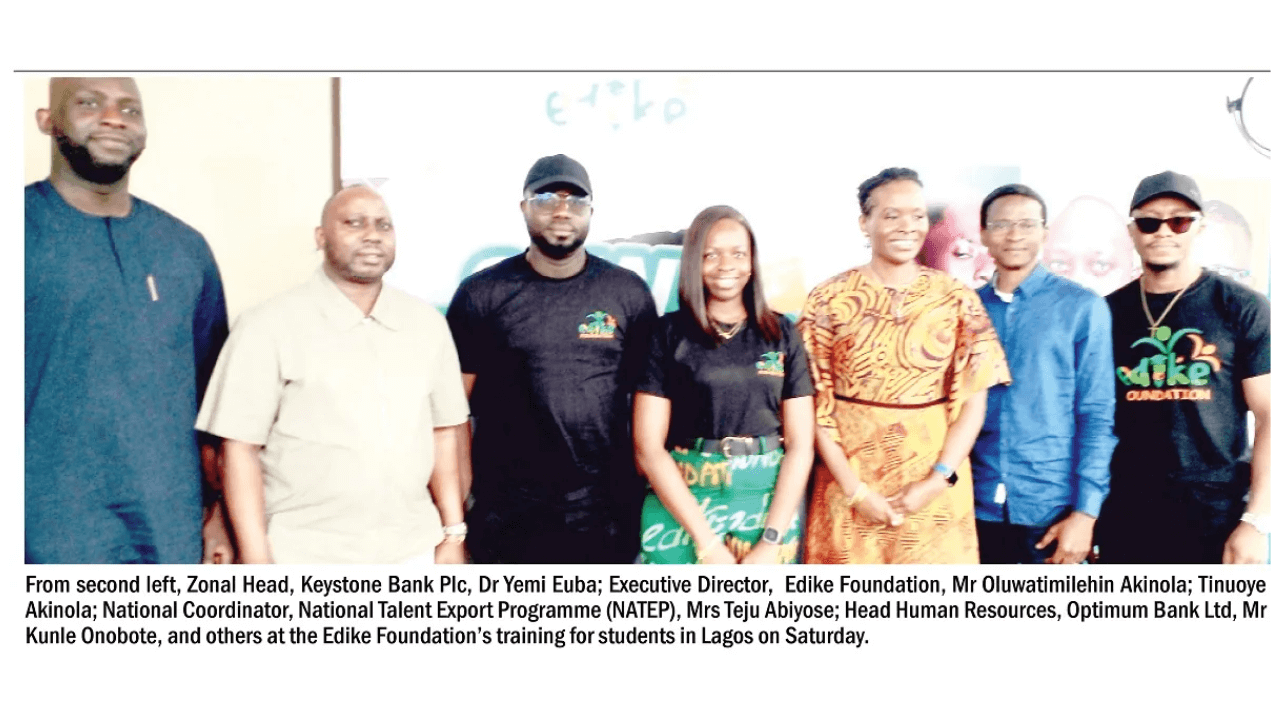
LAGOS, NIGERIA — Nigerian undergraduates are facing a new reality as industry leaders caution that academic credentials are no longer a guaranteed ticket to employment.
Experts at a Lagos forum emphasized that the global job market now demands a blend of specific hard skills and irreplaceable human abilities to add value to organizations and the broader economy.
Market demands for hybrid skills
According to a report by the Nigerian Tribune, the central message from government and banking officials was that a university degree, while important, is fundamentally insufficient for global relevance.
Teju Abisoye, Coordinator of the National Talent Export Programme (NATEP), stressed that a “university certificate can no longer translate to fortune for the holders.” This highlights a major change in expectations by employers around the world, who now look for candidates who can produce value immediately.
This value is formed as a result of a blend of technological acumen and distinctly human soft skills. Though technological and digital skills are a nice start, according to experts, such qualities as critical thinking, innovation, creativity, emotional intelligence, and resilience are what make a candidate stand out.
These are human-oriented skills, which are essential because they are needed to resolve complex problems in society and are in high demand among employers, as machines cannot duplicate them.
Strategic personal development, private sector intervention
Beyond identifying necessary skills, experts provided a framework for fresh graduates to stand out. Abisoye outlined three key factors:
- Performance
- Image
- Exposure
She defined performance as the ability to deliver beyond expectation, while image protects one’s professional identity, and exposure mitigates personal limitations. This strategy enables graduates to transition from being merely qualified to being strategically valuable professionals in any field. Private sector initiatives, such as the Edike Foundation, are addressing this development gap.
The foundation’s “Gown to Town” program, as explained by Executive Director Oluwatimilehin Akinola, is a direct intervention to provide the quality, practical education youths need outside the classroom.
“We believe that our intervention as part of our social responsibility initiatives will make a meaningful contribution to the development of Nigeria and Africa as a whole,” Akinola said.
“We would have more students joining as our resources permit because we know there are lots of students out there who only need a small push like the one we are given to achieve their educational dream.”
The foundation complements this training with tangible support, currently providing full scholarships—covering tuition, books, and stipends—to at least five indigent university students, with plans to expand as resources allow.
Read more here.
Related news
- University degree advantage fades as skills drive Western job markets · 31 Oct
- Millennials outpace Gen Z in adopting generative AI for work · 25 Sep
- Gen Z rejects full remote work for hybrid, craving office social bonds · 6 Sep
Disclosure: Outsource Accelerator uses AI tools in the backend of its editorial workflow. Every article is reviewed and verified by a human editor before publication.
Stay ahead of the outsourcing industry. Join thousands of business leaders who rely on Outsource Accelerator for the news, trends, and expert insights that matter. Subscribe to our free newsletter and never miss an update.








