
Deviceless RPM expands telehealth access through simple texts

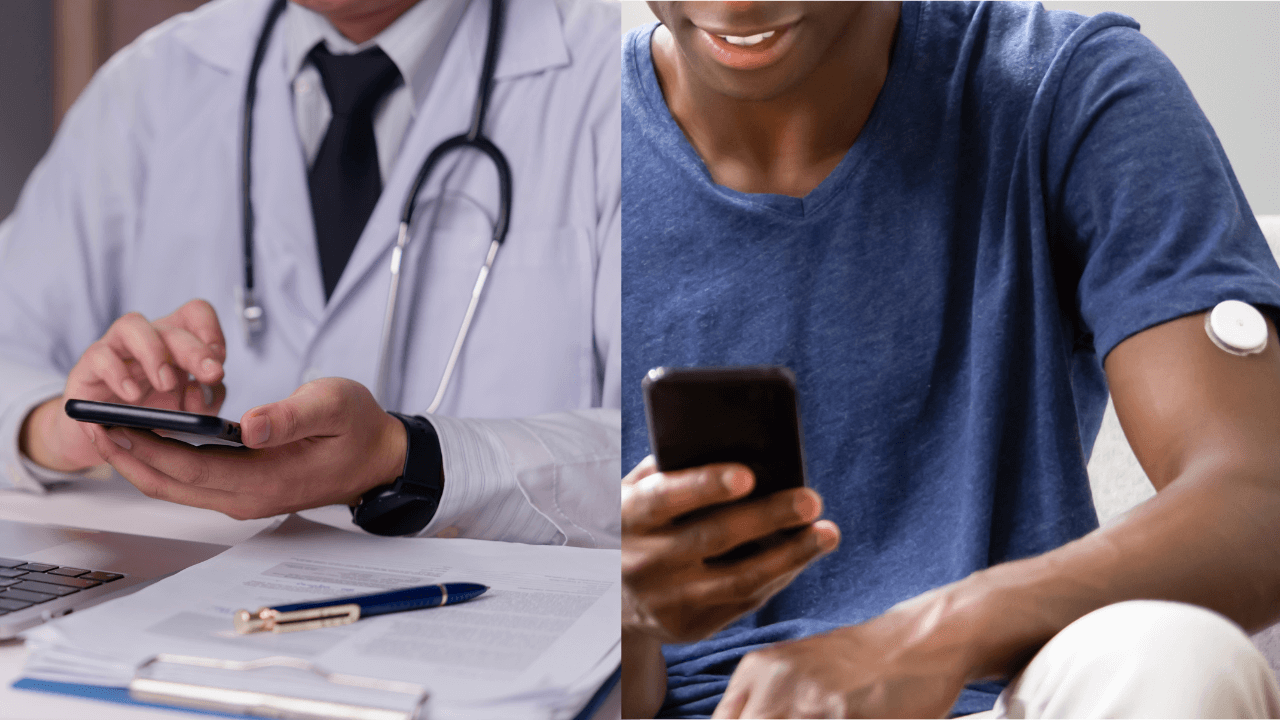
MAINE, UNITED STATES — Remote patient monitoring (RPM) without specialized medical devices is changing how healthcare providers reach and support patients through their phones.
According to a report from Healthcare IT News, the model is a “deviceless” RPM that uses everyday tools such as text messages and phone calls to monitor health data, removing barriers that have long slowed telehealth adoption.
Meeting patients where they are
“When we talk about deviceless RPM, what we mean is an approach to monitoring patients that doesn’t require shipping or managing specialized, connected hardware like Bluetooth blood pressure cuffs or Wi-Fi-enabled scales,” explained Evan Huang, Chief Technology Officer of CareSignal, a division of Lightbeam Health Solutions.
The approach relies on communication channels patients already use. Through automated texts or voice calls, patients self-report symptoms or basic biometric readings such as blood pressure, glucose, or weight, enabling care teams to identify risks earlier.
“People reliably respond to a text message or a phone call in a way that feels natural,” Huang said. “That consistent stream of data allows us to filter the patient panel: surfacing those who need immediate attention while automatically reassuring clinicians that the majority are doing fine.”
For many healthcare organizations, deviceless RPM reduces both complexity and cost, while dramatically expanding access. Lightbeam Health reported $59 million in client savings for the Medicare Shared Savings Program, earning a 93.2% KLAS performance rating in limited-data RPM.
Scaling care through automation and outsourcing
Deviceless RPM not only lightens the clinical staff’s load but also opens opportunities for outsourced population health management. By automating patient engagement, care managers can handle five to ten times more patients, freeing time for intervention and higher-value care.
“Care manager-to-patient ratios expanding five to 10 times, often going from one to 100 to as many as one to 1,000 patients per care manager,” Huang said.
This operational scalability mirrors trends in the broader outsourcing world, where healthcare systems increasingly rely on specialized partners to streamline administrative and care coordination tasks.
With deviceless RPM, providers can outsource the data collection process, leveraging automated messaging and analytics platforms like CareSignal while maintaining clinical oversight.
A case study from Mankato Clinic shows the results: $1.5 million in cost savings, a 17% rise in chronic care management billing, and 122 avoided emergency visits.
“These texts help me keep a closer eye on my mental well-being,” one patient shared, “and understand what I actually need to tell my doctors when I need help.”
For healthcare organizations navigating the shift to value-based care, Huang believes deviceless RPM offers a sustainable path forward, “It’s about using the simplest, most accessible tools to drive engagement, compliance and outcomes at scale.”







