
Drones to deliver medical supplies to remote Australia

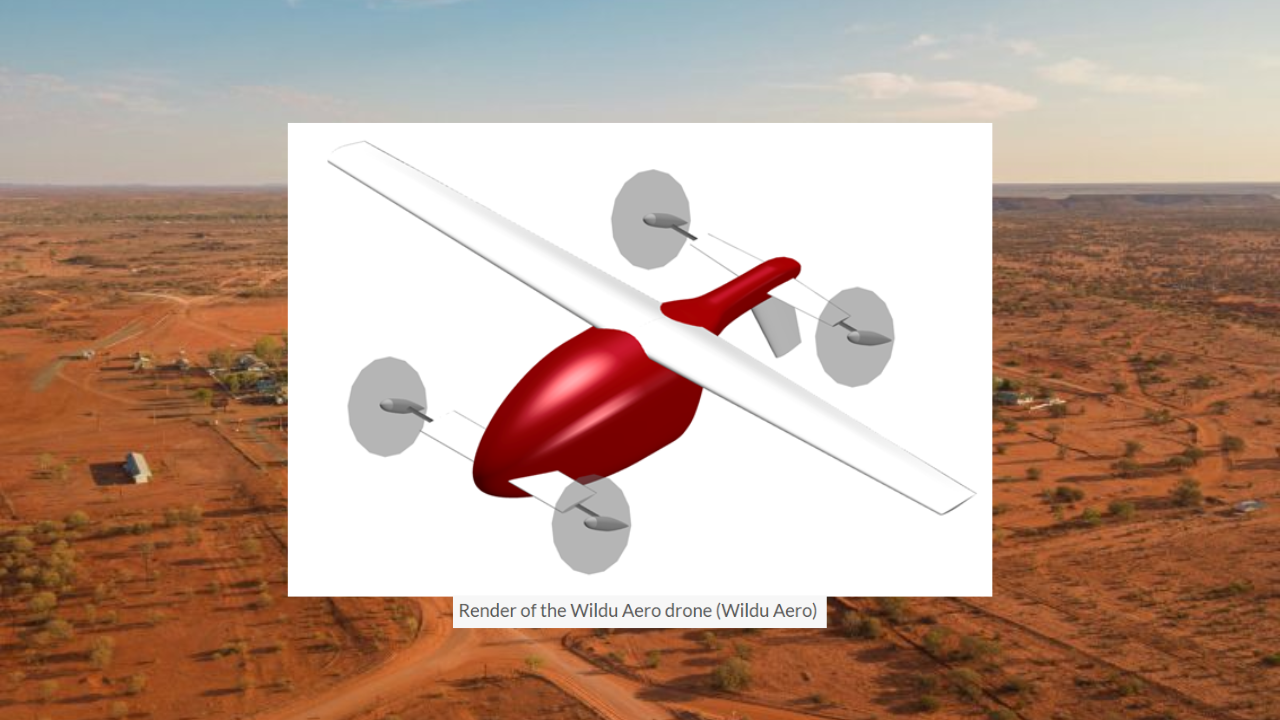
NEW SOUTH WALES, AUSTRALIA — The next frontier of remote healthcare in Australia may soon take flight, as the Wildu Aero drone project prepares to launch trials aimed at delivering lifesaving medical supplies, food, and diagnostics to some of the country’s most isolated communities.
According to a report from the Australian Ageing Agenda, backed by a major cross-university and industry partnership, the initiative promises to close longstanding healthcare gaps for older Australians who live hundreds of kilometers from essential services.
Hydrogen-powered drone targets rural healthcare gaps
Developed through a strategic collaboration between ASAC Consultancy, Sydney University, Curtin University, Winyama, and a network of community and healthcare partners, the Wildu Aero project will begin trials next year in the Pilbara and Kimberley regions.
The drone, equipped for long-range flight and harsh conditions, is designed to cover the extreme distances of remote Australia, where some communities are 800km from services and require medical-grade technology to support care delivery.
Speaking at the 2025 Australian Association of Gerontology Conference, consultant Paul Sadler said the drone offers a 1,200 km range, is built for outback conditions, and is equipped with medical-grade payload capabilities powered by a hydrogen-based propulsion system.
He described it as a potential breakthrough for communities struggling with the “tyranny of distance.”
By delivering medications, vaccines, pathology samples, blood products, antivenom, and other critical supplies, the drone will enhance telehealth and local care capabilities.
“At its heart, this project is about equity, ensuring that geography is no longer a reason that somebody goes without the care they need,” Sadler said.
For aged care providers, the impact could be profound. ASAC Consultancy founder and CEO Anna Klis said the network will reduce delays that disrupt routine care.
“It also eases pressure on an already stretched workforce, enabling staff to make more confident clinical decisions and reducing the reliance on aeromedical retrieval when timely diagnostics can prevent escalation,” Klis told Australian Ageing Agenda.
Klis added that the drone will also transport fresh and culturally appropriate meals, including specialized foods for renal, cardiac, or diabetic needs, especially during extreme weather events.
Supporting outsourced and offshore healthcare roles
Beyond improving on-the-ground care, the project is expected to reinforce remote and offshore clinical support operations by delivering the reliable data and timely diagnostics needed for effective external collaboration.
With Curtin University leading analytics on chronic kidney disease and sepsis, the drone network will enable outsourced clinical teams to provide faster interpretation of test results, remote assessments, and decision-making, and roles that rely on steady access to real-time information.
“Wildu Aero represents a new frontier for remote aged care – practical, scalable and designed with community at the center,” Klis noted.
With life expectancy in some regions as low as 50 years, the initiative aims to ensure essential services are no longer out of reach for Australians living far from traditional care infrastructure.







