
Egypt emerges as IT outsourcing hub amid global shift

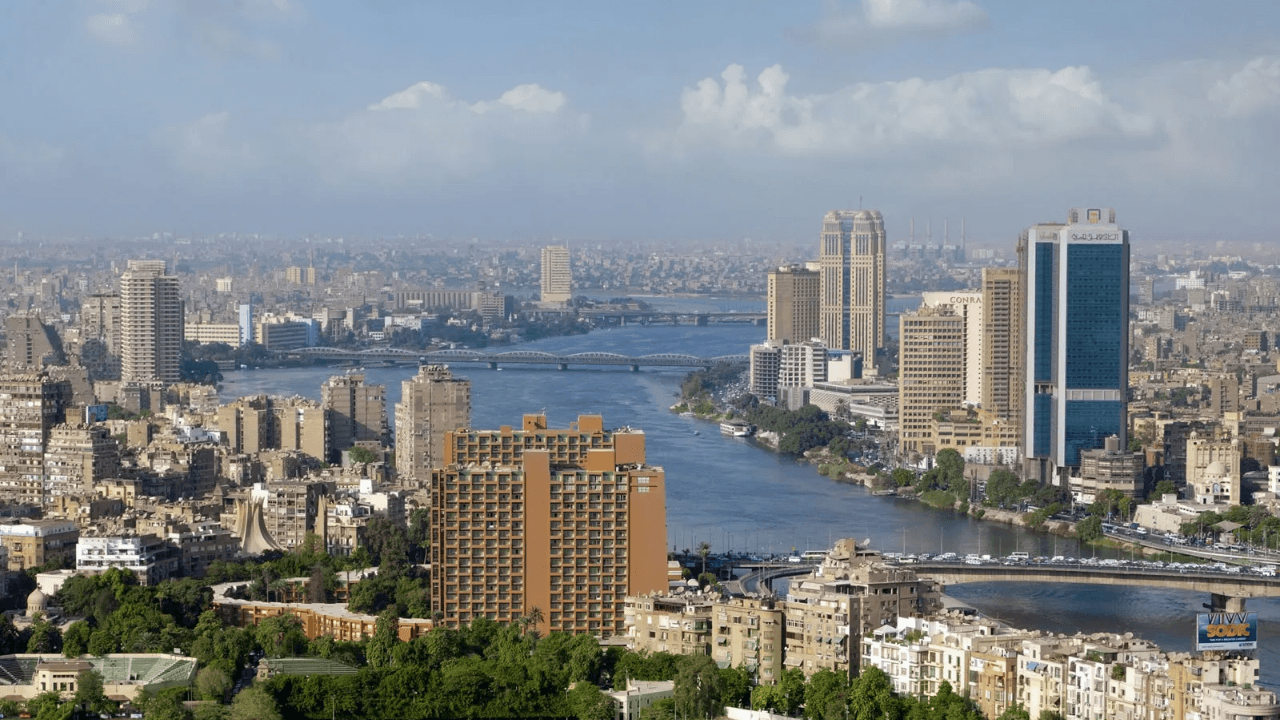
- Egypt has more than 120 million people
- Roughly 140,000 STEM graduates enter the market each year
- Salaries run well below Central and Eastern European rates
- ITIDA channels investment into digital infrastructure and skills
CAIRO, EGYPT — Egypt is rapidly stepping out of the shadows of traditional nearshore markets to claim a larger share of the global IT outsourcing industry, as United States and European enterprises rethink delivery strategies disrupted by war in Eastern Europe, tightening talent pools and the accelerating shift to artificial intelligence (AI).
Once treated as a backup delivery location, the country has seen a sharp uptick in activity over the past 18 months, with multinational providers and specialist consultancies setting up engineering hubs in Cairo and ramping up local hiring.
A talent pool built for modern tech stacks
According to a report from Computer Weekly, Egypt’s appeal starts with scale. With more than 120 million people and roughly 140,000 STEM graduates entering the market each year, the country offers a workforce that established nearshore destinations such as Poland, Romania and Ukraine struggle to match — at salaries well below Central and Eastern European rates.
The technical profile of that workforce is also moving up the value chain. Egyptian engineers are increasingly building on Java, JavaScript, Flutter and AI-driven frameworks, aligning with the cloud-native and platform-engineering work U.S. enterprises are prioritizing.
“There is a strong bias towards newer technologies,” said Ahmed (Kal) El Kalagy, founder and CEO of consultancy Saqaya.
“In areas such as AI and agentic development, the capability is developing very quickly,” El Kalagy added.
Geopolitics and government policy fuel the pivot
Demand-side pressure is just as important as supply. Disruptions across Ukraine, Belarus and Russia have pushed companies to diversify delivery risk, and Egypt’s time-zone overlap with Europe and proximity to Gulf clients make it a practical hedge.
Cybersecurity credentials and ISO-aligned processes have helped open doors in regulated sectors such as financial services. Cairo is leaning in.
The government has named IT and outsourcing a strategic economic priority, channeling investment into digital infrastructure and skills development through agencies including the Information Technology Industry Development Agency, or ITIDA.
“Egypt has for some time been an untapped gem,” El Kalagy said.
“What we are seeing now is a transition into a more active, competitive outsourcing market with a broader mix of players,” El Kalagy added.
For U.S. buyers, Egypt’s rise fits a broader rebalancing of the global outsourcing map, in which India and the Philippines remain anchors while newer geographies absorb workloads tied to AI, cloud and product engineering.
Skills gaps in legacy banking systems remain a constraint, but the country’s combination of cost, scale and modern technical depth gives it room to capture work that buyers once routed almost exclusively to Eastern Europe.
Related news
- Philippines BPOs race to upskill in AI age, says IBPAP chief · 20 Feb
- India retains lead in 2025 Offshore CX Confidence rankings · 15 Nov 2025
- Philippines anchors $423Bn healthcare outsourcing market in 2026 · 15 May
Disclosure: Outsource Accelerator uses AI tools in the backend of its editorial workflow. Every article is reviewed and verified by a human editor before publication.
Stay ahead of the outsourcing industry. Join thousands of business leaders who rely on Outsource Accelerator for the news, trends, and expert insights that matter. Subscribe to our free newsletter and never miss an update.








