
Epic defends EHR-first AI model as OpenAI debuts ChatGPT Health

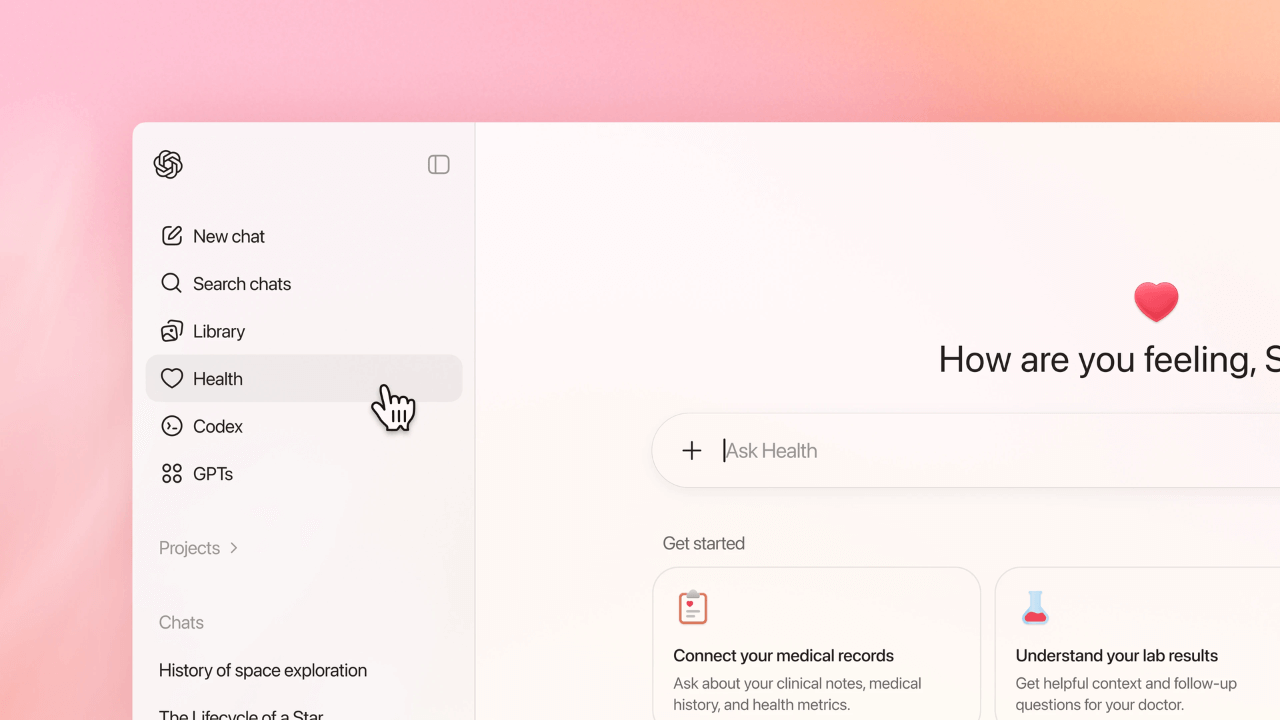
NEW YORK, UNITED STATES — As OpenAI rolls out its new consumer-facing ChatGPT Health platform, Epic is defending an EHR-first approach to healthcare AI, arguing that tools embedded directly into electronic health records (EHR) offer more actionable, secure, and clinically relevant support than systems that operate outside provider workflows.
In a report from MedCity News, Dr. Jackie Gerhart, Epic’s chief medical officer, said the company’s approach prioritizes both patient safety and clinical accuracy, following her belief that any AI tool designed to help interpret a person’s health or medical records must be embedded within the EHR system.
OpenAI’s ChatGPT Health launch
ChatGPT Health allows users to integrate data from wellness apps such as Apple Health, Peloton, and MyFitnessPal, as well as their personal medical records.
As a result, the platform can now offer personalized recommendations—whether interpreting laboratory results, assisting patients in preparing for the doctor’s visit, or providing daily support based on their diet, physical activity, and health background.
The platform has been created with privacy and security being the main factors. Discussions about health are kept in a safe, encrypted environment, and OpenAI assures that it will not use the data for training its AI models.
“We believe in informed consent. We believe in the consumer being completely in charge,” said b.well CEO Kristen Valdes.
Epic’s Emmie bets on EHR-integrated patient journeys
While OpenAI promotes flexibility and user-driven AI, an Epic leader argues that patient-focused AI should live within the EHR, the digital system hospitals, clinics, and health systems use to manage patient records.
An EHR centralizes patient medical histories, lab results, medications, and care plans, enabling providers to deliver coordinated care.
According to Dr. Gerhart, EHR-integrated AI tools like Epic’s Emmie digital concierge can not only provide information but also guide patients through actionable tasks, enhancing patient safety and efficiency.
In the broader healthcare outsourcing landscape, EHRs are critical for third-party vendors, telehealth services, and analytics companies that rely on structured, accurate patient data.
AI tools that are not part of the EHR system, like ChatGPT Health, provide healthcare professionals with flexibility and access to consumers; however, integrating these tools may require careful consideration to avoid splitting workflows and creating additional work.
Epic’s Emmie can anticipate patient needs for follow-ups, post-procedure tasks, and insurance questions.
“We’re not just looking only for informing patients, we’re actually looking at how we can help them to take action,” Gerhart added.
She also expressed caution about OpenAI’s HIPAA compliance, noting that AI outside the EHR may not meet the same regulatory standards.
The new engagement tool from ChatGPT Health is promising for U.S. health systems, hospitals, and clinics, but Epic’s perspective emphasizes that EHRs and AI integration can still provide more clinically valuable insights without compromising privacy or compliance with regulations.
Providers will need to weigh the benefits of external AI platforms against the security and workflow integration offered by EHR-based solutions.







