
Ethiopia plans 3,000-seat BPO hub to draw global investors

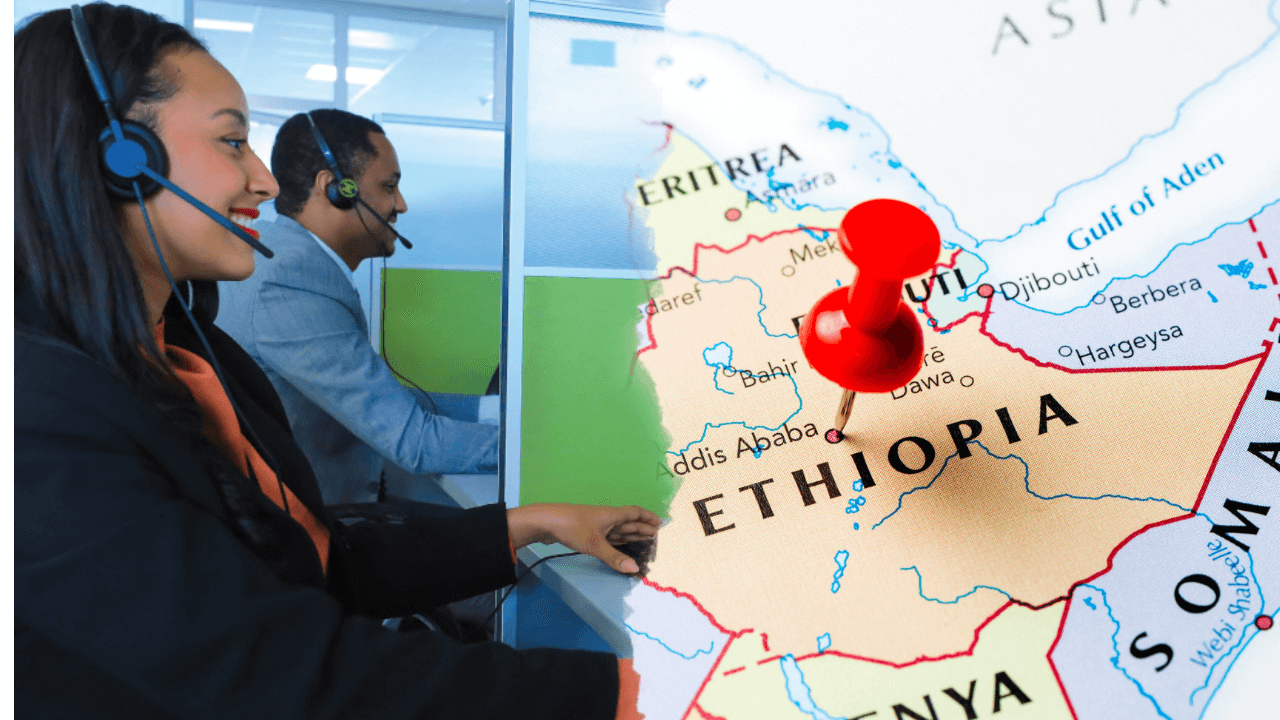
ADDIS ABABA, ETHIOPIA — Ethiopia is making a bold push to become a regional hub for business process outsourcing (BPO) with plans for a new 3,000-seat facility aimed at attracting global investors and diversifying its economy.
According to a report from BirrMetrics, Ethiopia officials said that the move positions the country to tap into the fast-growing digital services sector while creating jobs for its young population.
Economic reforms drive BPO, foreign investment in Ethiopia
Speaking at the Elevate Africa 2026 forum, Eyob Tekalign, Governor of the National Bank of Ethiopia, made a presentation on economic reforms and the possibilities that emerge from outsourcing market opportunities.
“Ethiopia’s Homegrown Economic Reform Programme, launched in 2019, was aimed at restoring macroeconomic stability, easing structural bottlenecks and expanding the role of the private sector,” Tekalign said.
The reform package contains exchange rate adjustments with improved monetary policy and business climate enhancement measures that aim to attract foreign investment while promoting private-sector economic growth.
The country holds a competitive advantage in labor-intensive digital services as these steps, together with Ethiopia’s demographic characteristics, create this advantage.
Why Ethiopia is becoming Africa’s top outsourcing hub
According to ISS African Futures, Ethiopia is home to more than 128.7 million people and boasts one of Africa’s youngest populations, with a median age of about 19 in 2023.
Officials point to rising tertiary enrolment and expanding telecom infrastructure as key enablers for call centers, back-office operations, and IT-enabled services.
“The country’s reform agenda and demographic profile had created conditions for growth in digital services and outsourcing,” Tekalign told investors and technology executives, emphasizing the strategic potential of Ethiopia’s large English-speaking workforce.
Authorities believe that competitive labor costs in the country will enable it to compete with established outsourcing locations in Africa, which include both Kenya and Egypt.
The BPO push is part of Ethiopia’s broader plan to shift its economy beyond agriculture and low-value manufacturing. The report stated that services already account for more than 40% of gross domestic product (GDP), with ICT-enabled services identified as a priority for export growth and job creation.
Ethiopia strengthens position as BPO hub
Ethiopia’s BPO initiative shows international investors that the country has developed its capacity to operate extensive digital service facilities.
Ethiopia has established itself as a competitive outsourcing destination in Africa through its combination of economic reforms, young workforce, and planned infrastructure development.
The 3,000-seat BPO hub will serve as a successful model that demonstrates how regional BPO operations can expand by creating a connection between talent supply and the global demand for cost-effective, skilled outsourcing services.







