
Experts worried as Senate blocks U.S. healthcare subsidy extension

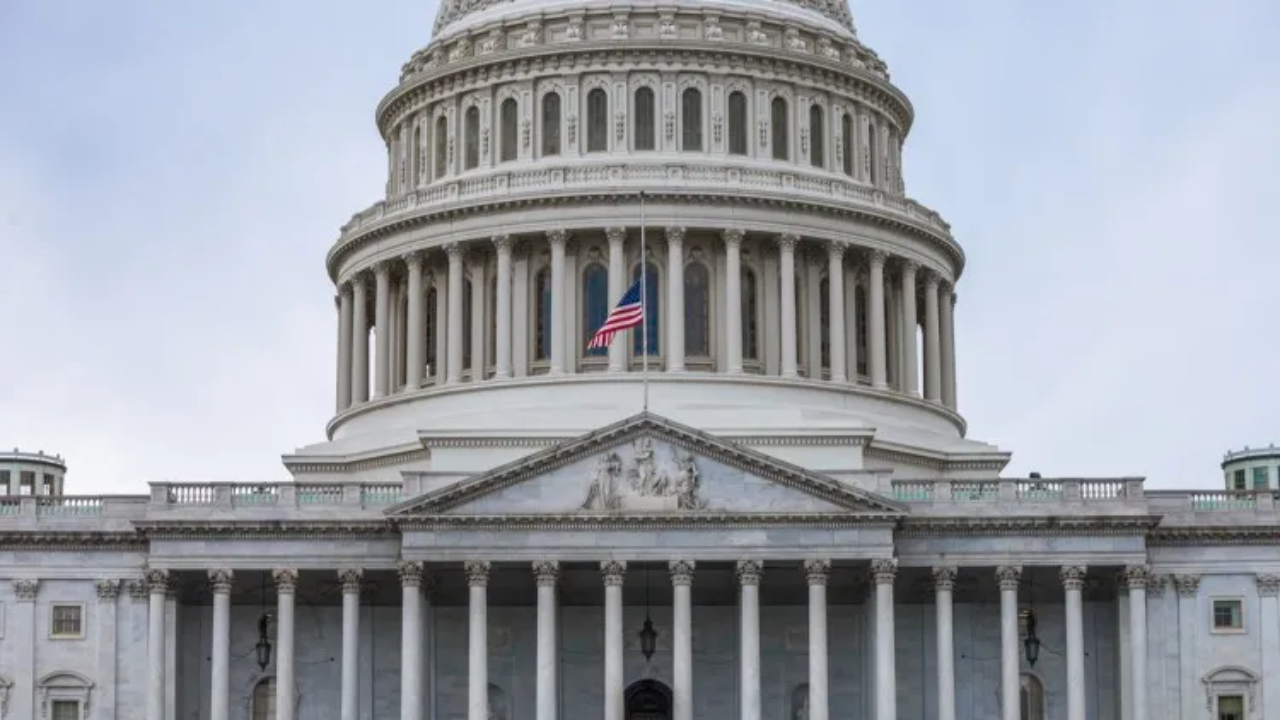
NEW YORK, UNITED STATES — The United States Senate’s recent rejection of two Affordable Care Act (ACA)-focused bills has sparked warnings from health experts and advocacy groups about a looming crisis for patients and healthcare providers alike.
According to a report from MedCity News, the failure to extend enhanced premium tax credits could sharply increase insurance premiums, potentially straining hospitals, clinics, and health systems across the country.
Healthcare premiums to double for 22 million Americans
One of the bills, proposed by Democrats, sought to extend ACA premium tax credits for three years, subsidies that have kept marketplace coverage affordable for millions of Americans.
The Senate vote, which fell 51-48 short of the 60 votes needed, now threatens to more than double ACA marketplace premiums on average next year.
“Today’s Senate vote to reject the extension of premium tax credits will have devastating, immediate consequences for the health and finances of families across the country, and that will reverberate throughout the health care system we all rely on,” said Anthony Wright, executive director of Families USA.
“Just days away from the deadline for Americans to sign up for coverage that starts January 1, senators decided to let premiums double or more for 22 million Americans who rely on these premium tax credits to make coverage affordable,” Wright added.
Healthcare providers may experience immediate ripple effects. Rising premiums could lead to an influx of patients deferring care or leaving coverage altogether, putting hospitals and clinics under pressure to manage uncompensated care while maintaining quality services.
Clinics serving low-income or minority populations could face higher demand with fewer resources, intensifying disparities in care.
U.S. hospitals face crisis as ACA subsidies expire
Advocacy groups emphasize that the consequences extend beyond families to the stability of healthcare systems.
“Simply allowing subsidies to lapse is a way to willfully shoot costs skyward for millions of families. This moment demands policy solutions that will help working- and middle-class families this holiday season, not split-screen messaging efforts,” said Margaret A. Murray, CEO of the Association for Community Affiliated Plans (ACAP).
The nonprofit health advocacy organization Community Catalyst also highlighted equity concerns.
“We know who will bear the brunt: Black, Latinx, immigrant, and low-income families, who already face the steepest affordability barriers because decades of policy decisions have limited wages, wealth, and access to stable, affordable coverage,” said Michelle Sternthal, director of government affairs at Community Catalyst.
For hospitals, clinics, and other providers, the Senate’s inaction could mean increased uncompensated care, higher administrative burdens, and pressure to adjust service offerings.
Without immediate legislative action, health systems may need to implement contingency strategies to support patients while safeguarding operational sustainability.
As policymakers prepare for further debates in the House, healthcare providers are bracing for what experts call a “devastating” impact on both coverage and care delivery nationwide.







