
Filipinos steer Japan’s robots as AI jobs move offshore

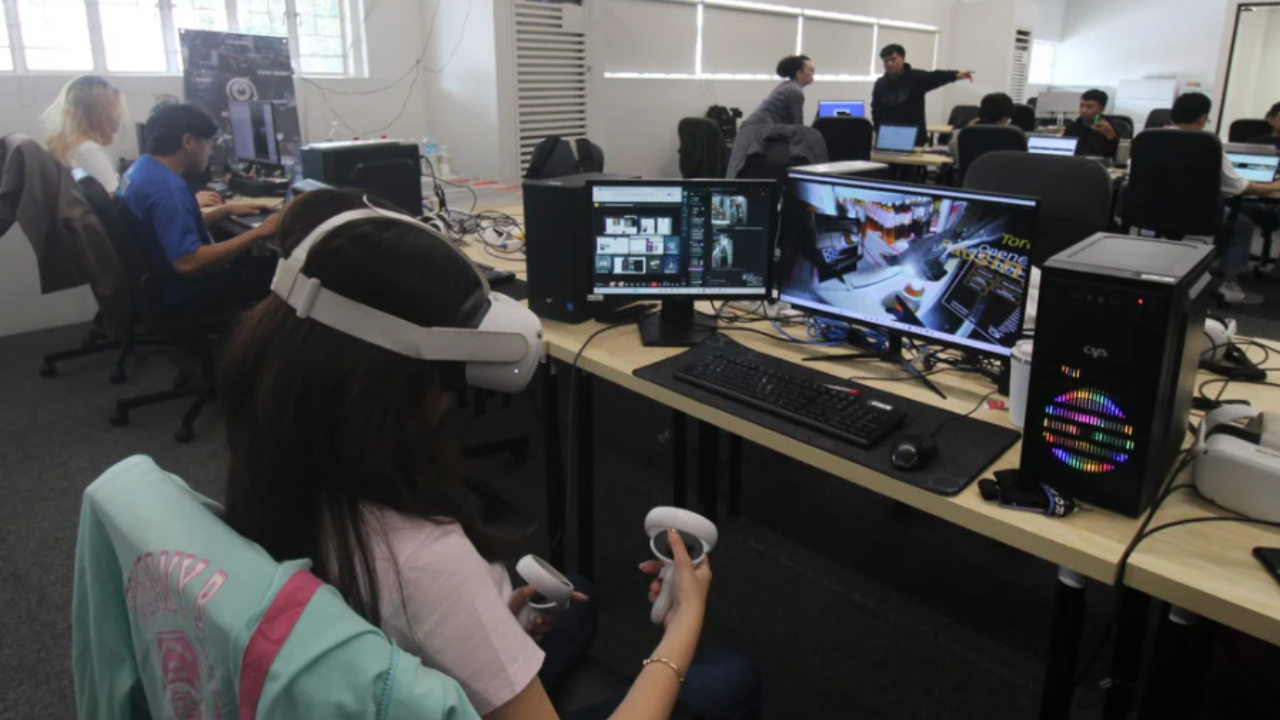
MANILA, PHILIPPINES — Using virtual reality headsets and joysticks, young Filipinos guide machines that restock shelves in FamilyMart and Lawson convenience stores in Tokyo, helping Japan’s retail industry stay afloat amid its severe labor shortage.
Filipino teleoperators fuel Japan’s retail AI boom
The robots are designed by Tokyo-based startup Telexistence, which has deployed hundreds across Japan. But when the machines falter about 4% of the time, their “pilots” in the Philippines step in.
According to a report from Rest of World, “It’s hard to find workers to do stacking [in Japan],” said Juan Paolo Villonco, founder of Astro Robotics, which employs the tele-operators. “If you get one who’s willing to do it, it’s going to be very expensive. The minimum wage is quite expensive.”
For Astro Robotics’ employees, each teleoperator manages up to 50 robots at once, earning roughly US$250-US$315 a month, about the same as a call center agent.
The work is part of a growing wave of AI-related outsourcing, where Filipino workers train, monitor, and manage artificial intelligence systems for foreign firms.
“IT firms are in a race to the bottom looking for cheap… labor,” said Jose Mari Lanuza of the Sigla Research Center, a Manila-based think tank.
These roles require more technical expertise than traditional outsourcing jobs like content moderation. Still, they also expose workers to new risks—from cybersickness caused by VR use to job insecurity as automation improves.
Automation outsourcing raises new job ethics concerns
While Filipino teleoperators are helping Japan address its aging workforce problem, they may also be accelerating the process of automating themselves out of a job. The robots they control are gathering data to train future AI models that may no longer need human intervention.
“Now, they went from losing their job to the machine, to basically becoming the watcher of the machine doing the work,” said Lionel Robert, a robotics professor at the University of Michigan.
Still, experts like Robert believe humans will remain essential. “Are robots and AI gonna take all the jobs from humans? The answer is no — because humans are pretty useful. The future is a robotic-AI-automation-human hybrid workforce,” he said.
Philippines emerges as a hub for AI-driven outsourcing
The Philippines, long known for its business process outsourcing (BPO) industry, is now becoming a testing ground for automation outsourcing, where humans train and supervise the very AI that could one day replace them.
This marks a shift from traditional clerical work to AI-enabled digital labor, blending technical skill with economic vulnerability.
As local startups like Sofi AI push to develop homegrown talent, the country faces a crossroads: whether to remain the world’s low-cost labor hub or to invest in becoming an AI innovation center.
In this hybrid future, Filipinos are not just powering Japan’s robots; they are shaping the next chapter of global work itself.
Related news
- Sales Focus Inc. wins 2025 Global Business Award for B2B outsourcing · 25 Oct
- H-1B fee, HIRE Act accelerate global shift in tech jobs · 25 Oct
- Remote work key to workplace safety compliance, labor lawyer says · 24 Oct
Disclosure: Outsource Accelerator uses AI tools in the backend of its editorial workflow. Every article is reviewed and verified by a human editor before publication.
Stay ahead of the outsourcing industry. Join thousands of business leaders who rely on Outsource Accelerator for the news, trends, and expert insights that matter. Subscribe to our free newsletter and never miss an update.








