
Philippines’ flexible workspaces boom as GCCs expand in 2026

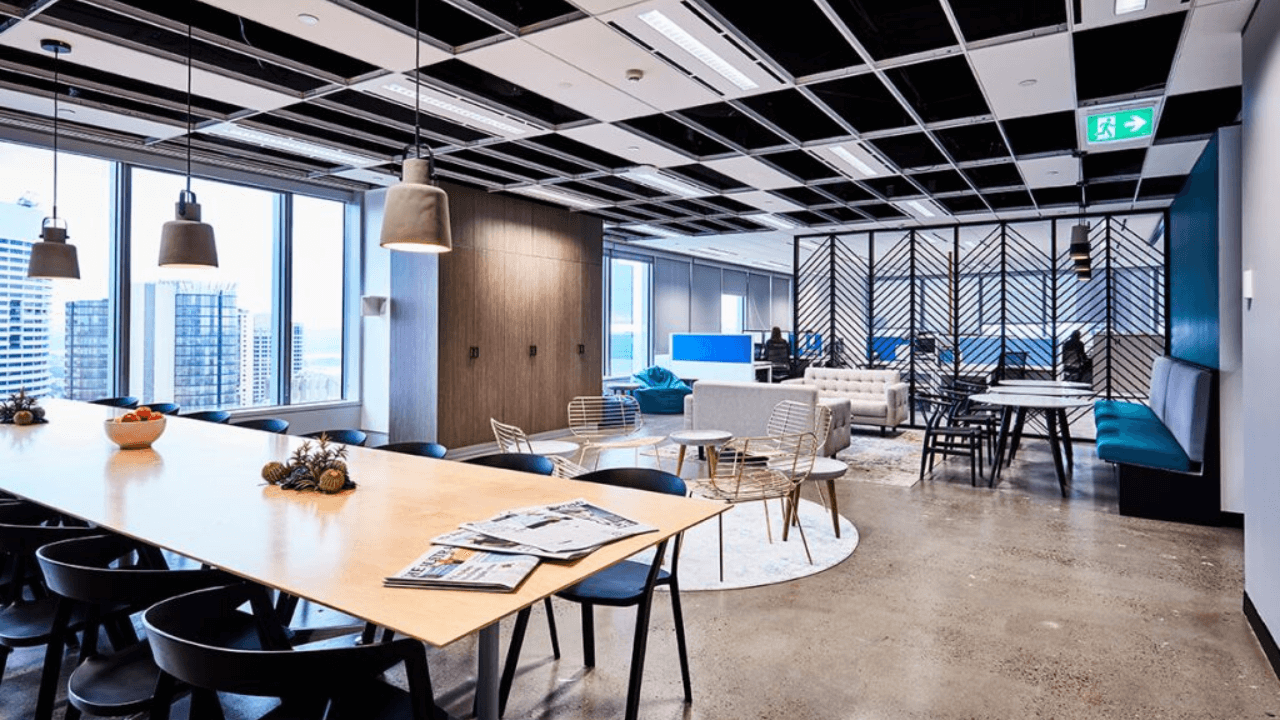
MANILA, PHILIPPINES — The Philippines’ flexible workspace market is poised for further expansion in 2026, as multinational companies and global capability centers (GCCs) increase their presence in major business districts and emerging regional hubs.
According to a report from BusinessWorld, the rising demand is driven by companies seeking cost-efficient, adaptable office solutions amid global economic uncertainty.
GCC expansion drives Philippines coworking demand
“We expect continued growth in the flexible workspace sector, supported by both local and global trends,” said Mikko Barranda, director for commercial leasing at Leechiu Property Consultants, in an e-mailed response to questions.
“Global economic uncertainty and cost optimization requirements will reinforce demand further to look for adaptable solutions,” he added.
GCCs, essentially in-house service hubs of multinational firms, view the Philippines as a strategic location for accessing talent while managing costs.
“For many of these companies, flexible workspaces provide a low-risk entry point before committing to larger, long-term offices,” Barranda said.
Flexible offices offering hot desks, pods, meeting rooms, and lounges have become staples in corporate real estate strategies, attracting project-based teams and companies scaling operations amid high leasing costs and uncertain global conditions.
GreatWork plans to double Philippines footprint by 2026
Homegrown coworking provider GreatWork Global Workspaces is planning to double its footprint by 2026 to meet rising demand.
“We have a strong pipeline of local and international companies requesting GreatWork locations in areas where they are scaling operations and hiring talent,” said Ruth Coyoca, assistant vice-president for sales and business development at GreatWork, in a Viber message sent to BusinessWorld.
The company is negotiating with more than 20 landlords across Metro Manila, Clark, Cebu, and select regional business districts. Its spaces feature coworking areas, private suites, and virtual office services with natural light, ergonomic layouts, and premium finishes.
In 2025, GreatWork recorded roughly 90% occupancy in its Quezon City and Mandaluyong branches. About 60% of its tenants are foreign firms—including BPOs and Fortune 500 companies—while 40% are Filipino-led enterprises and government clients.
“This mix provides resilience across economic cycles and reinforces our positioning as a premium, enterprise-ready coworking operator,” Coyoca said.
Coworking spaces fuel Philippines’ BPO sector growth
The rise of flexible workspaces is practically synonymous with the Philippines’ booming outsourcing sector. Coworking companies that offer scalable, affordable office solutions are enabling multinational companies to grow their operations with no obligation to long-term leases.
This adaptation helped drive project-based work, quick hiring, and regional expansion—all factors that are assisting GCCs and BPO companies to survive the market boom and bust.
As flexible workspaces become integral to corporate strategies, they may further strengthen the Philippines’ ranking as the top outsourcing destination and shared services location in the Asia-Pacific region.







