
Founder empowers work-life balance, allows team to unplug from work

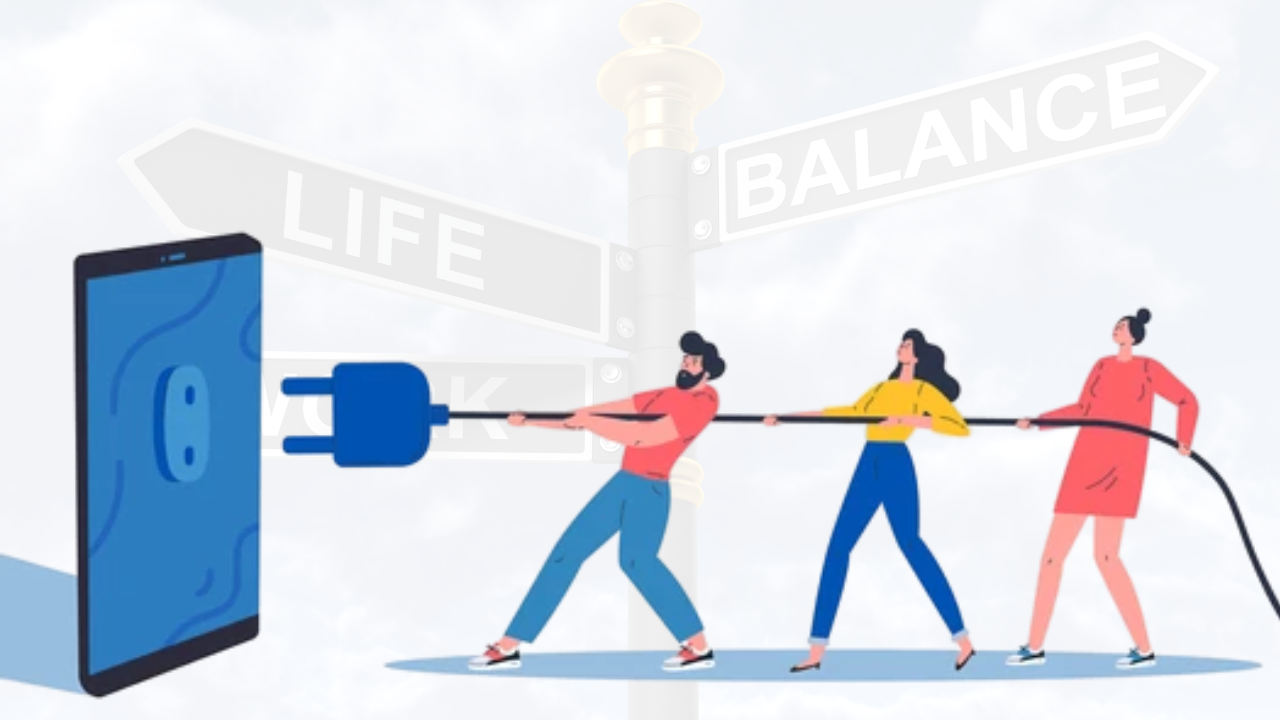
WASHINGTON, D.C., UNITED STATES — In a notable contrast to recent calls for prolonged work hours, entrepreneur Nicole Bernard Dawes advocates for employee work-life balance, encourages employees to unplug from work, and asserts that her staff “didn’t sign up to be entrepreneurs” in her interview with Fortune.
Employees aren’t entrepreneurs, says $100Mn founder
In an era where burnout is a common corporate badge of honor, one founder is drawing a hard line between the sacrifices of an entrepreneur and the expectations placed on employees. For this leader, a sustainable work-life balance isn’t a perk for her team—it’s a non-negotiable company principle.
The philosophy of this founder rests on a clear and intentional dichotomy: the relentless, 24-hour dedication required to build a company is a choice she made for herself, not one she imposes on her staff.
“I think that where a lot of [leaders] differ is extending that to their team. I feel very strongly that it should not extend to the team,” she states.
This conviction is the bedrock of her company’s culture, actively encouraging employees to log off at the end of the day and maintain a healthy separation between their professional and personal lives.
She also does not hesitate to admit that she cannot disconnect herself, which may seem hypocritical, but she is insistent on protecting her team so they do not feel the same strain.
This forms a purposeful ecosystem in which the volatility and uncertainty of the business are borne by its founder, and her staff can work in a long-term, stable environment.
How Nicole Dawes builds a pro-family work culture
This managerial ethos prioritizes passion and purpose over time spent sitting behind a desk and has become a culture that positively urges employees to switch off.
The policy, which relies on the founder’s personal observations from when he was young and had to miss time with his family to go to work, aims to give staff the freedom to attend to their personal lives.
The reason, she said, was that she wanted to be there with her kids, and she also wanted it to be all right if her team was like that too.
She believes that pure passion for the product is the only thing that sustains an entrepreneur through the stress and solitude of the journey—a journey that, for her, “doesn’t feel like working.”
This translates into a company-wide ethos that champions balance. Leadership models this by prioritizing personal commitments, such as daily family dinners and exercise, demonstrating that professional success does not require a total-life commitment.
Ultimately, the principle empowers employees, as she puts it, “You have to choose what’s the most important thing at that moment.” And at any given moment, the company affirms that it is perfectly acceptable for the answer to be life, not work.







