
GenAI and precision medicine to transform healthcare, says expert

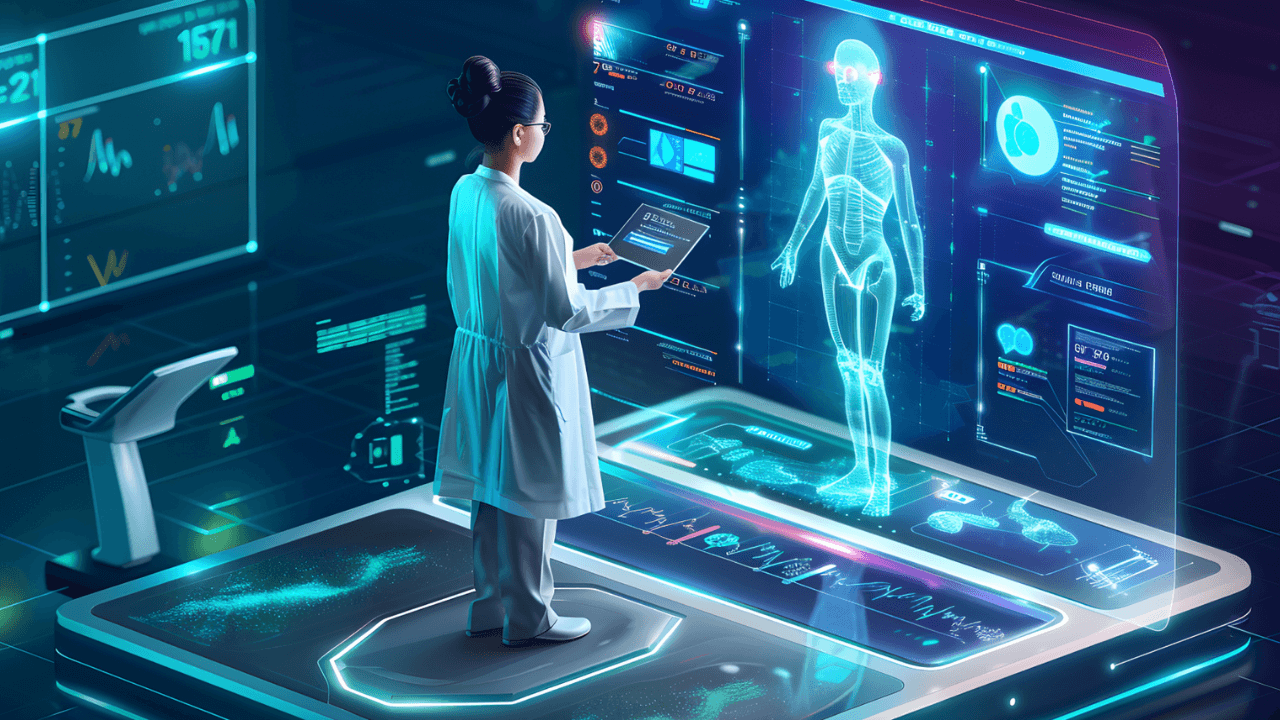
MAINE, UNITED STATES — Generative artificial intelligence (GenAI) and precision medicine are set to reshape healthcare delivery in 2025.
In an interview with Healthcare IT News, Dr. Zimlichman outlined how these technologies will address critical challenges like workforce shortages, administrative burdens, and personalized patient care.
GenAI tackles healthcare workforce shortages
Dr. Zimlichman predicts a rapid expansion of provider-facing generative AI systems to automate routine tasks such as data entry, transcription, and electronic health record (EHR) reviews. These advancements aim to alleviate physician burnout and workforce shortages, enabling clinicians to dedicate more time to patient care.
According to Dr. Eyal Zimlichman, chief innovation and transformation officer at Israel’s Sheba Medical Center, “Generative AI can mitigate these issues by streamlining workflows and reducing administrative burdens,” he explained.
Advancing clinical decision support with AI
Specialized foundation models for radiology, digital pathology, and other fields will elevate clinical decision support to new levels.
Dr. Zimlichman foresees regulatory approvals for specific use cases in 2025, followed by broader integration into clinical workflows.
He also anticipates professional associations incorporating AI technologies into clinical guidelines, marking a significant step toward widespread adoption.
The role of patient-facing AI in 2025
While patient-facing AI will progress more slowly due to regulatory challenges, its impact will be substantial. Dr. Zimlichman envisions digital nursing assistants and generative AI-driven mental health therapies improving accessibility and reducing wait times.
Additionally, virtual health coaches tailored for chronic conditions like diabetes and heart failure will empower patients through personalized guidance on medication adherence and lifestyle changes.
Precision medicine: Faster biomarker detection and tailored care
Precision medicine will see transformative advancements in 2025, particularly in biomarker detection.
“AI-powered digital pathology will allow for faster results in biomarker identification, enabling personalized treatment to begin the same day of diagnosis,” Dr. Zimlichman said.
By integrating multi-omics data—including genetics, metabolomics, and proteomics—healthcare providers can deliver highly personalized treatments that improve outcomes and reduce delays.
Building robust data infrastructure for AI integration
Dr. Zimlichman emphasized the need for robust data infrastructure to support these innovations. He predicts a competitive race among EHR vendors to integrate generative AI solutions as differentiators in the market.
“Big data platforms would drive better access to data analytics and insights across the organization,” he noted, urging CIOs to plan for this transformation strategically.
As generative AI and precision medicine evolve, they promise not only greater efficiency but also enhanced patient outcomes and reduced costs—a pivotal shift for healthcare systems worldwide in 2025.
Read more here.
Related news
- Advanced Care Group expands in U.S. with 3D Medical Staffing acquisition · 23 Oct 2024
- U.S. launches AI healthcare plan to transform patient care · 15 Jan
- Safety net hospital embraces AI while battling cyberthreats · 25 Dec 2024
Disclosure: Outsource Accelerator uses AI tools in the backend of its editorial workflow. Every article is reviewed and verified by a human editor before publication.
Stay ahead in healthcare outsourcing. Join thousands of healthcare and business leaders who rely on Outsource Accelerator for the news, trends, and expert insights shaping medical BPO and the future of care delivery. Subscribe to our free newsletter and never miss an update.








