
Global EHR market set to hit $54Bn by 2032 amid AI, telehealth growth

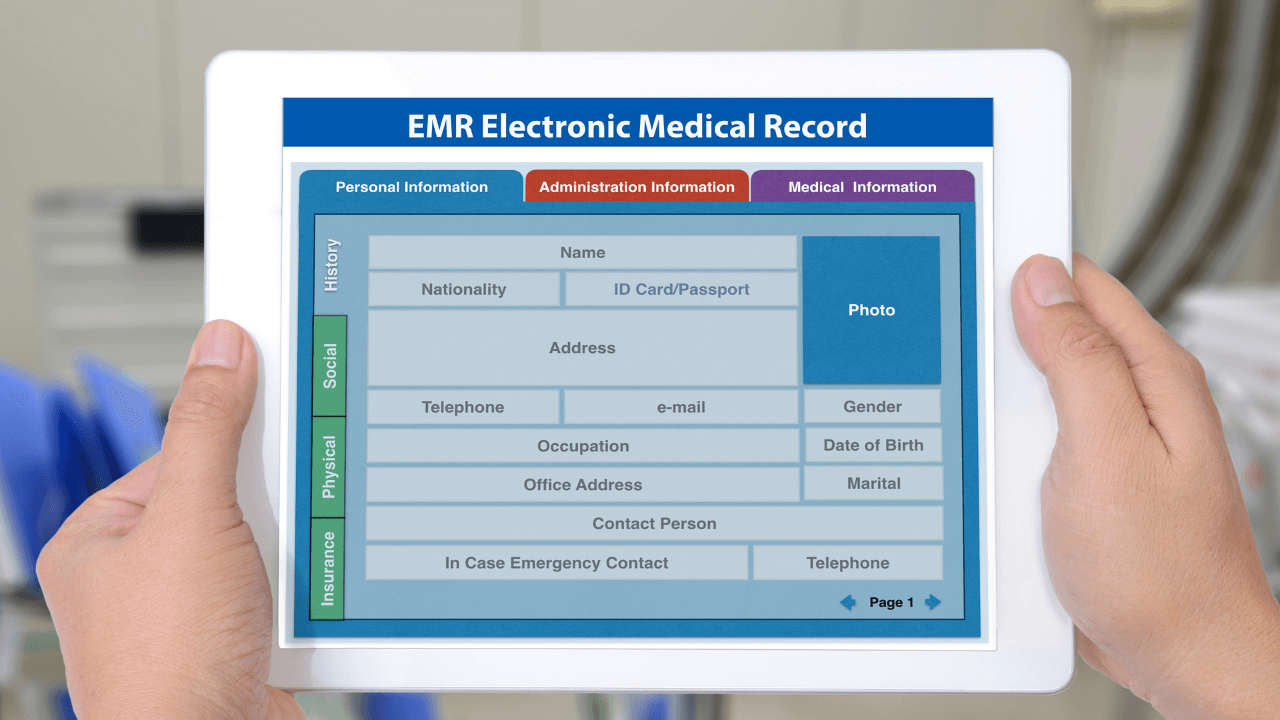
ENGLAND, UNITED KINGDOM — The global electronic health records (EHR) market is poised for rapid expansion over the next decade, driven by AI integration, telehealth adoption, and a shift toward value-based care models.
According to a report from Tech Bullion, analysts project the market will grow from US$33.45 billion in 2024 to an estimated US$54 billion between 2025 and 2032, reflecting increasing demand across hospitals, health systems, clinics, and ambulatory practices.
“Between 2025 and 2032, the demand for EHR software, cloud-based medical solutions, and AI-augmented clinical tools is set to surge,” the market report notes, highlighting the technology’s central role in modernizing healthcare delivery.
For United States providers, this growth translates into both opportunities and operational imperatives, particularly in clinical back-office support, revenue cycle management (RCM), and virtual care operations.
Digital health boom drives offshore healthcare staffing demand
The surge in digital health adoption is not just about software; it’s reshaping how hospitals and clinics manage their workflows.
As EHR systems embed AI capabilities, such as medical scribes and predictive analytics, healthcare providers increasingly rely on offshore support teams for functions such as coding, billing, and remote patient monitoring.
“EHR adoption enables clinicians and patients to access, share, and manage data across sites and devices,” the report explains, emphasizing how cloud-based solutions facilitate hybrid care models.
For U.S. health systems, integrating these platforms often requires partnerships with specialized offshore teams to handle administrative and technical tasks, freeing on-site staff to focus on patient care.
AI-powered EHRs boost efficiency and care quality
Hospitals and clinics in the U.S. stand to benefit from AI-powered EHR tools that streamline documentation and enhance care coordination.
Chronic disease management, population health initiatives, and telehealth services are becoming increasingly data-driven, with EHRs providing the backbone for patient tracking and longitudinal care.
“Modern EHR platforms incorporating AI/ML are projected to greatly reduce hospital readmissions by improving care coordination, prognostic insights, and early intervention,” the report added.
For providers, this means improved efficiency, lower administrative burdens, and the ability to scale care delivery without proportional increases in staffing or infrastructure.
As digital health platforms grow, so does the need for secure, interoperable systems, robust training programs, and reliable remote support.
By adopting integrated EHR and Medical Practice Management Software solutions, like those offered by CureMD, U.S. health providers can position themselves at the forefront of a patient-centric, technology-driven healthcare landscape, while leveraging offshore expertise to optimize operational efficiency.







