
Happiness drops as U.S. offices, AI, politics reshape work: expert

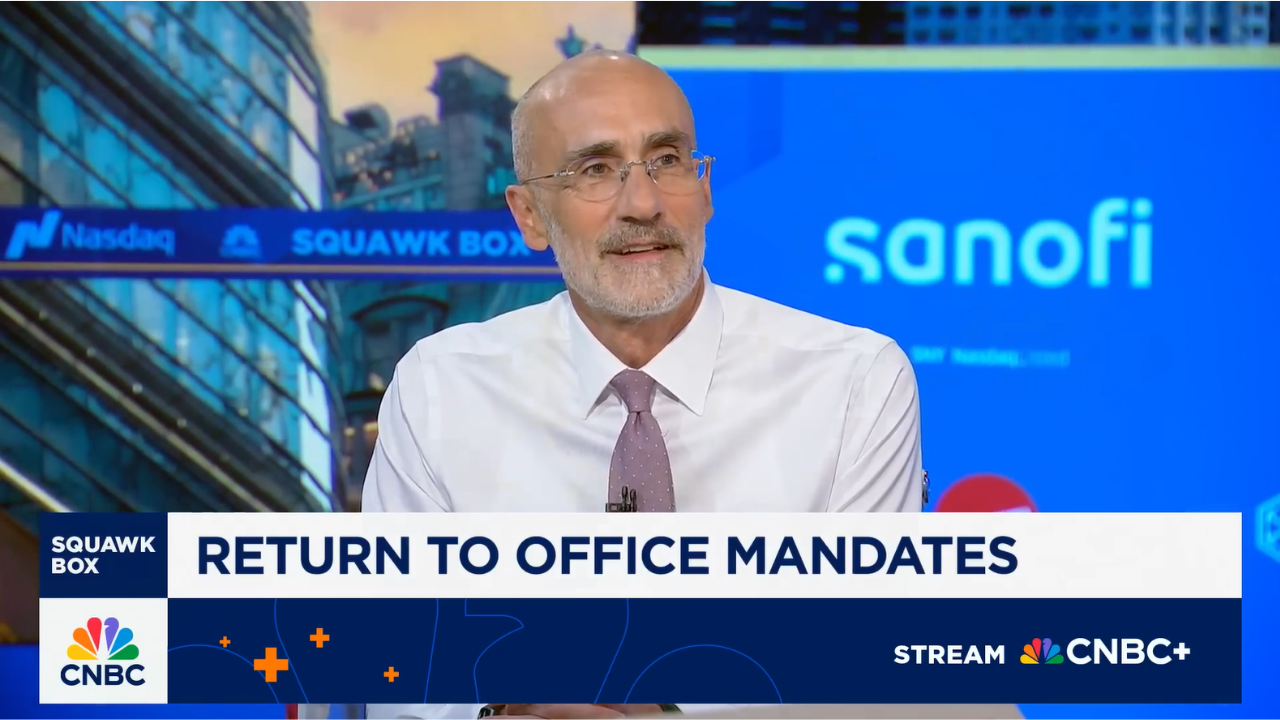
NEW YORK, UNITED STATES — Harvard professor and Atlantic columnist Arthur Brooks weighed in on return-to-office mandates, workplace activism, artificial intelligence, and U.S. industrial policy in a wide-ranging conversation with CNBC’s Squawk Box.
Brooks, who recently released “The Happiness Files: Insights on Work and Life,” emphasized that employee happiness is not simply a corporate perk but a driver of financial success.
“The happiest companies, which is to say highest morale among employees, they actually make the most money,” Brooks said. “One of the best things that you can do is to create a climate of friendship inside.”
Return-to-office mandates: The social cost of remote work
The professor argued that while data on remote versus in-office work remains mixed, the social aspect of physical workplaces is critical.
“People are happier when they’re with other people, if the environment is such that they can actually make friends,” he said. “You’re not friends with people on Zoom. You’re just not.”
Brooks also linked the corporate pendulum shift—from CEOs wary of outspoken employees during the pandemic to a current wave of management pushback—to cycles of activism. In his view, a small but loud minority once held disproportionate sway in company decision-making.
“Three to five percent figured out how to look like 50 percent. And then sooner or later, leadership caught on,” Brooks explained.
AI and the future of human connection
On artificial intelligence, Brooks expressed caution, noting that productivity gains alone will not guarantee happier workplaces.
“I don’t actually see a lot of happiness gains coming in general from the way that we’re using A.I.,” he said. “If tech substitutes for actual human relationships, it’s bad for happiness. If it complements human relationships, it’s actually good for happiness.”
America’s happiness decline and the impact of politics
Brooks also assessed national well-being more broadly, pointing to worrying long-term trends.
“The nation has actually been in a happiness decline since 1990,” he said, citing declines in family life, friendship, faith, and community service.
His advice: avoid excessive political obsession. “If you want to be happier, pay less attention to politics. That’s the bottom line.”







