
Investor Howard Marks warns AI could threaten millions of jobs

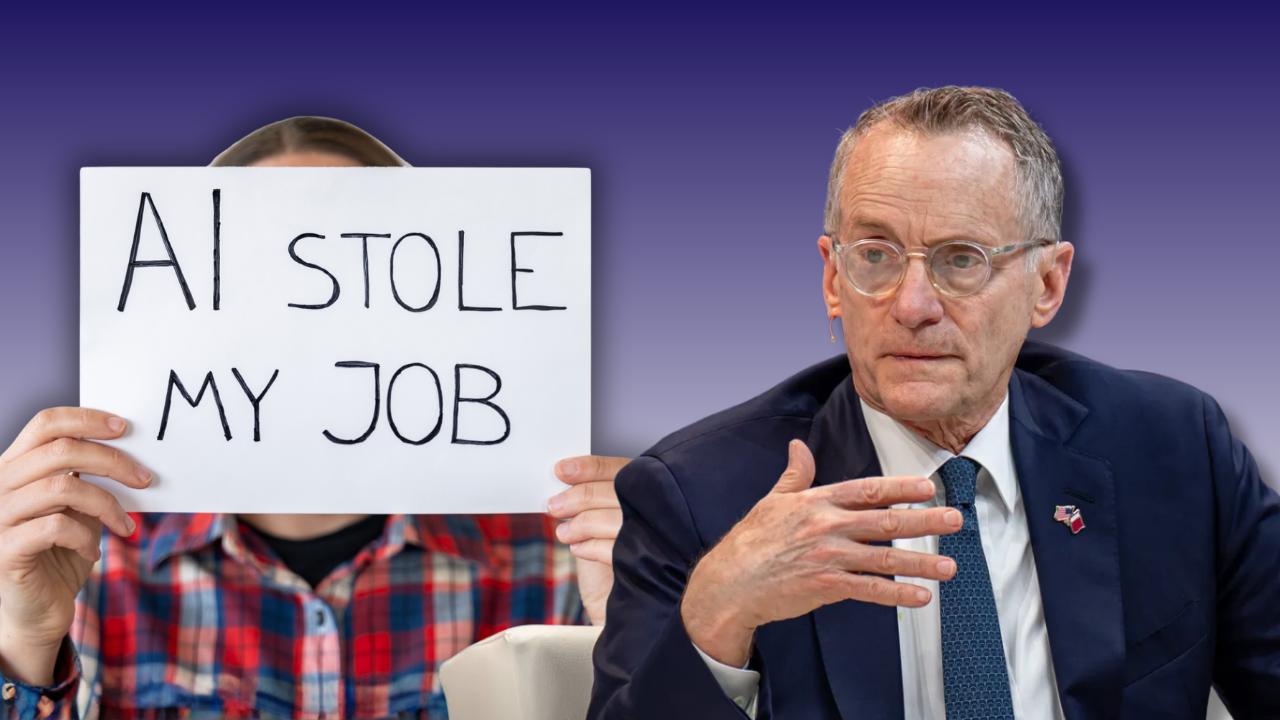
NEW YORK, UNITED STATES — Artificial intelligence (AI) is reshaping the future of work, and for some, the outlook is terrifying, according to a blog by investor Howard Marks.
Marks is an investor, writer, and co-founder of Oaktree Capital Management LP. In a blog post on December 9, and reported by Bloomberg, he cautioned that AI could displace millions of workers and exacerbate social inequality, raising questions about who will truly benefit from the productivity boom.
“I’m concerned that a small number of highly educated multi billionaires living on the coasts will be viewed as having created technology that puts millions out of work,” Marks wrote.
“This promises even more social and political division than we have now, making the world ripe for populist demagoguery,” Marks added.
AI jobs threat and future workforce
Marks’ warnings highlight a growing challenge for the future of work: balancing automation and employment. While AI promises efficiency and productivity gains, many workers could face job displacement if companies do not reskill their employees.
This scenario may deepen economic divides, as those unable to adapt to AI-driven industries struggle to find meaningful employment.
The co-founder stressed that the revolution is unprecedented.
“The AI revolution is different from the technological revolutions that preceded it in ways that are both wonderful and worrisome,” he wrote.
Marks also noted that AI could help mitigate labor shortages caused by retiring baby boomers through 2035, offering a silver lining in an otherwise uncertain labor market.
AI investment, debt, and market risks
Marks also raised concerns about the financial side of the AI boom, particularly how major tech firms are funding rapid AI expansion. Companies including Microsoft, Alphabet, Amazon, Meta, and Oracle are taking on “aggressive” amounts of debt in a “winner-take-all arms race,” he said.
Investors, Marks noted, are acting speculatively in an environment where AI demand growth is “totally unpredictable.”
Meta and Alphabet’s 30-year bonds to finance AI projects pay only about 100 basis points more than Treasuries of similar maturity.
“Is it prudent to accept 30 years of technological uncertainty to make a fixed-income investment that yields little more than riskless debt?” Marks questioned.
“And will the investments funded with debt – in chips and data centers – maintain their level of productivity long enough for these 30-year obligations to be repaid?” he also asked.
As AI continues to evolve, Marks’ message is clear: while technology can drive future productivity, businesses and policymakers must carefully manage its impact on the workforce and the broader economy.
“It feels to me like a genie has been released from a bottle, and it isn’t going back in,” he concluded, signaling that AI’s influence on the future of work is irreversible.







