
IBPAP defends worker safety measures amid Philippine BPO scrutiny

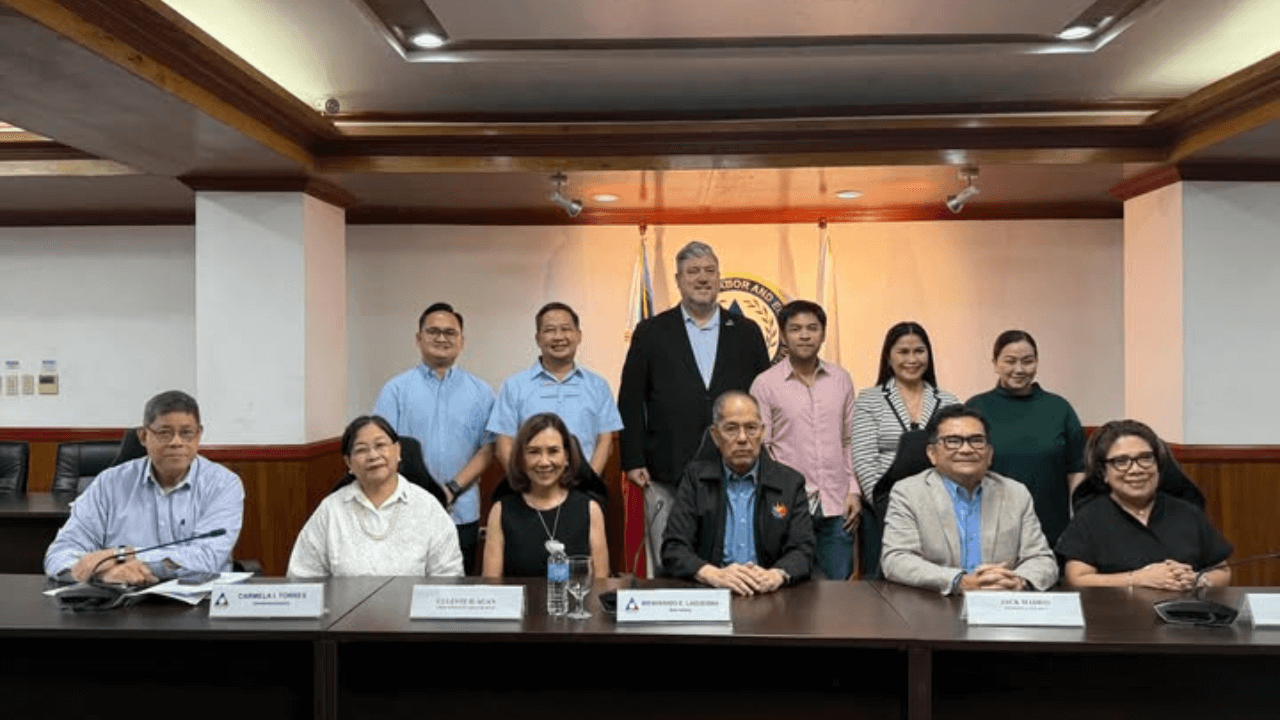
MANILA, PHILIPPINES — The IT and Business Process Association of the Philippines (IBPAP) has come under scrutiny following Typhoon Fung-wong, defending its member companies’ efforts to safeguard employees while maintaining essential operations.
As the country’s BPO sector continues to serve critical global clients, IBPAP emphasizes that worker welfare and operational continuity remain at the heart of industry practices.
IBPAP reaffirms compliance with labor standards
In a statement, IBPAP affirmed that its member companies comply with existing Philippine Department of Labor and Employment (DOLE) regulations, circulars, and labor advisories, including during extraordinary events like typhoons and other natural disasters.
The association emphasized that during Typhoon Fung-wong, companies implemented business continuity plans that prioritized safety while maintaining critical client services.
“Management discretion always placed primacy on the health and safety of their employees and went beyond standard company processes and practices under normal conditions,” IBPAP noted, highlighting measures such as flexible work options and additional support for employees who reported onsite.
The association also highlighted its ongoing advocacy for hybrid work arrangements, which it has promoted since 2021 as “a sustainable model for both productivity and employee welfare.”
IBPAP further emphasized the industry’s responsibility to maintain operations during emergencies, serving millions worldwide across healthcare, banking, telecommunications, and other essential sectors.
The association also welcomed inspections from DOLE and regulatory authorities to showcase compliance measures, internal safety guidelines, and communication practices.
DOLE inspects 98 BPO firms after worker complaints
DOLE has ordered the inspection of 98 BPO companies accused of endangering employees during Typhoon Fung-wong, following a formal complaint filed by the BPO Industry Employees Network (BIEN Pilipinas).
“DOLE will always put primordial consideration to the safety and health of our workers above any other consideration,” Philippine Labor Secretary Bienvenido Laguesma said as he convened a dialogue with BIEN.
Despite IBPAP’s assurances, BIEN questioned whether employees’ safety was truly prioritized.
“Countless BPO workers were still forced to report to work, whether onsite or through unstable internet connections at home, amid flooding, power outages, and life-threatening conditions,” the group said.
They argued that flexibility often favors employers, while workers face risks and precarious arrangements.
Balancing global service delivery and local safety
IBPAP’s position highlights a broader challenge for the Philippine BPO industry: ensuring operational commitments to global clients do not compromise worker welfare.
As the country solidifies its role as a top outsourcing hub, transparent safety measures, regulatory collaboration, and sustained engagement with employees will be essential in maintaining workforce trust and global confidence in the sector.







