
India’s CDMO sector faces ‘reset’ in 2026 amid pharma shifts

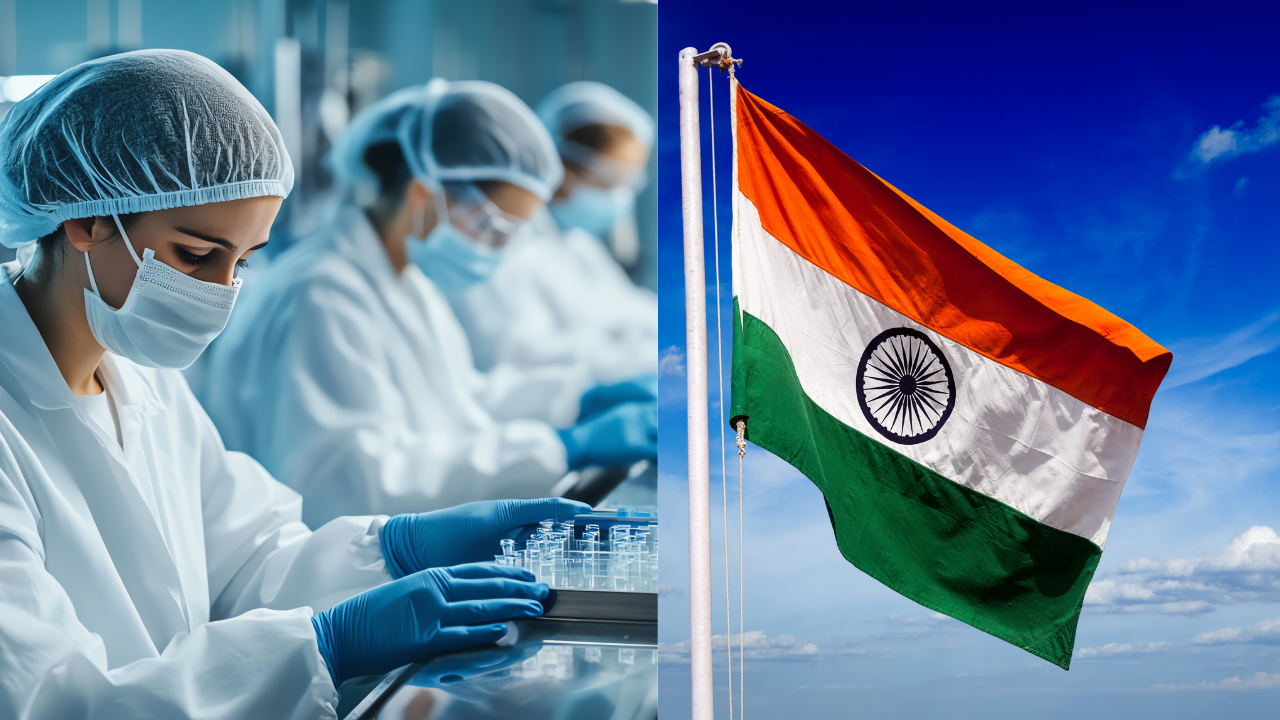
UTTAR PRADESH, INDIA — India’s contract development and manufacturing (CDMO) industry is entering what analysts describe as a “reset year” in 2026, as global pharmaceutical outsourcing pivots from large-scale production to specialized, technology-driven capabilities, Business Today reports.
According to the De Facto Biobeat 2026 Report, released ahead of the CPHI Frankfurt conference, the sector’s rapid expansion may stabilize as new trade policies and supply-chain strategies reshape outsourcing patterns.
Global pharma trends impact India’s CDMO market
The report, prepared by research firm De Facto and authored by Brian Scanlan, Executive Advisor at Edgewater Capital and Managing Partner at Freedom Bioscience Partners, paints a nuanced picture of India’s CDMO landscape.
While the global outsourcing market remains stable, Scanlan noted that “2026 could be a reset year for India,” depending on how evolving trade policies and United States–China relations affect cross-border pharmaceutical flows.
India’s CDMO market—estimated at US$12–13 billion—has recorded double-digit growth over recent years, driven by rising global demand for complex generics, biologics, and specialized formulations.
However, the Biobeat Report anticipates a modest slowdown in 2026, as China and the United States post stronger medium-term expansion.
Despite these headwinds, India remains a preferred base for Western drugmakers, owing to its cost competitiveness and technical expertise.
“CDMOs that differentiate through technology, equipment, and analytical expertise, particularly in RNAi, ADCs, PROTACs, and multi-specific antibodies, will be well positioned,” Scanlan advised.
He added that smaller firms could gain an advantage through “niche specialization,” as the industry shifts from scale to specialization.
Specialization, digital transformation lead future growth
The report identifies a major pivot within India’s CDMO ecosystem: a move toward high-value segments such as biologics, peptides, and sterile fill-finish manufacturing. This trend reflects a global preference for agility and innovation over mass capacity.
Expansion in aseptic manufacturing and high-potency compound handling, especially for antibody-drug conjugates (ADCs) and bioconjugates, is expected to support firms investing in specialized technologies.
Moreover, India is fast emerging as a hub for predictive modeling, AI, and data science in drug development. These tools are now extending beyond research into manufacturing optimization, process control, and quality assurance.
The adoption of AI is also spurring mergers and acquisitions, as companies seek to strengthen digital capabilities and operational resilience.
Balancing cost with innovation secures India’s CDMO future
While 2026 may bring temporary caution, the long-term outlook for India’s CDMO industry remains positive.
As Western pharmaceutical firms grapple with regulatory reforms and rising operational costs, India’s blend of affordability, compliance, and scientific depth positions it well for the next wave of outsourcing mandates.
The industry’s challenge now lies in balancing cost leadership with innovation. Those that successfully integrate AI-driven manufacturing, complex formulation expertise, and specialized drug modalities will define India’s next phase in the global outsourcing hierarchy.
In a world increasingly favoring specialization over scale, India’s CDMOs appear poised to adapt—resetting not to retreat, but to refine their role in the evolving pharmaceutical ecosystem.







