
‘Learn how to learn’ is top skill for AI era, says Google DeepMind CEO

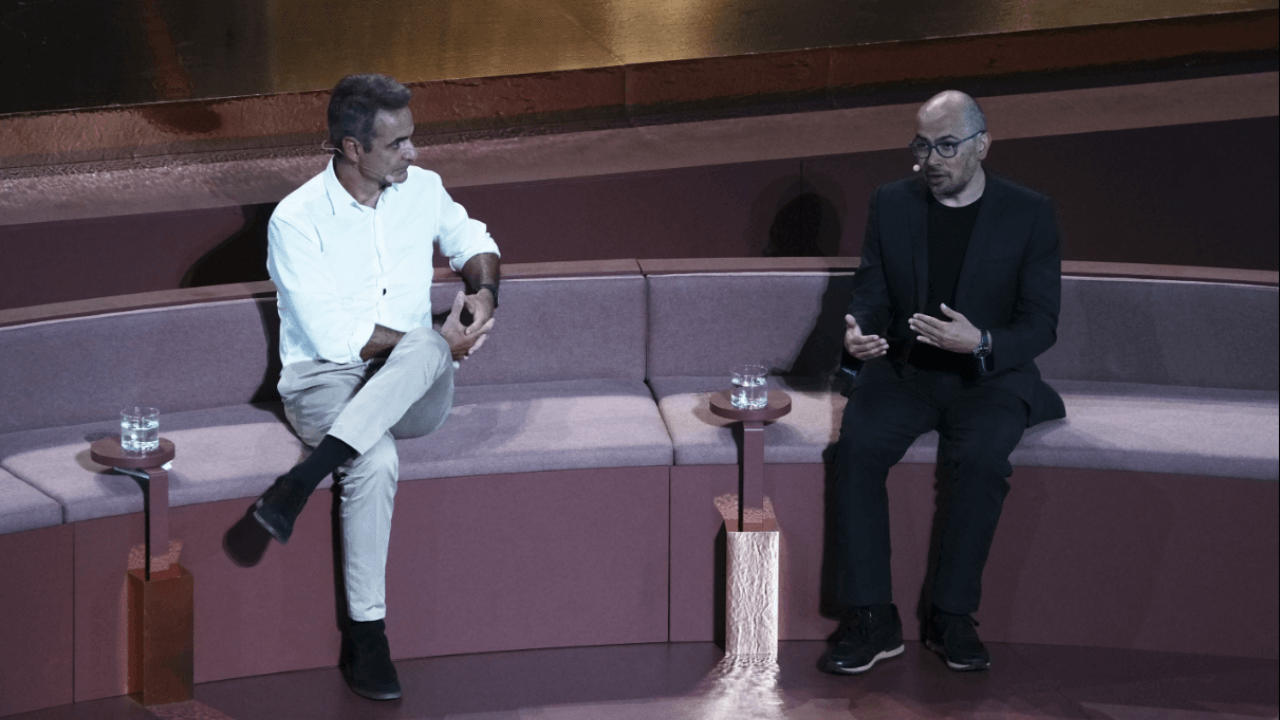
NEW YORK, UNITED STATES — As artificial intelligence (AI) reshapes education and the workplace, Google DeepMind CEO and 2024 Nobel laureate Demis Hassabis says the most vital skill for the next generation will be the ability to “learn how to learn.”
Speaking at an event in an ancient Roman theater at the foot of the Acropolis, Hassabis underscored that future workers must adapt to a world where technological change accelerates faster than ever before.
“It’s very hard to predict the future, like 10 years from now, in normal cases. It’s even harder today, given how fast AI is changing, even week by week,” he told the audience. “The only thing you can say for certain is that huge change is coming.”
Meta-skills will shape future careers globally
Hassabis, a neuroscientist and former chess prodigy, highlighted that traditional subjects like math, science, and the humanities remain important but will no longer be enough on their own. Instead, workers will need what he called “meta-skills” — the ability to understand how to learn and quickly master new subjects as industries evolve.
“One thing we’ll know for sure is you’re going to have to continually learn … throughout your career,” he said. This lifelong approach to learning reflects the shifting demands of the future of work, where jobs may transform or disappear as AI systems advance.
Hassabis also pointed to the potential arrival of artificial general intelligence, machines capable of performing tasks as broadly as humans, within a decade. While this could usher in an era of “radical abundance,” he acknowledged that risks remain, making adaptability even more crucial for workers worldwide.
Governments must address AI-driven inequality
Greek Prime Minister Kyriakos Mitsotakis joined Hassabis at the Athens event, stressing that governments must ensure the benefits of AI reach everyone.
“Unless people actually see benefits, personal benefits, to this (AI) revolution, they will tend to become very skeptical,” Mitsotakis warned. “And if they see … obscene wealth being created within very few companies, this is a recipe for significant social unrest.”
For the workforce of the future, this tension between innovation and inequality means that adaptability will not just be a matter of personal success but of social stability.
As AI continues to reshape industries, Hassabis’s message is clear: in a world of constant change, the next generation’s most powerful tool will be the skill of learning itself.







