
Philippine lawmakers refile Magna Carta to protect BPO workers

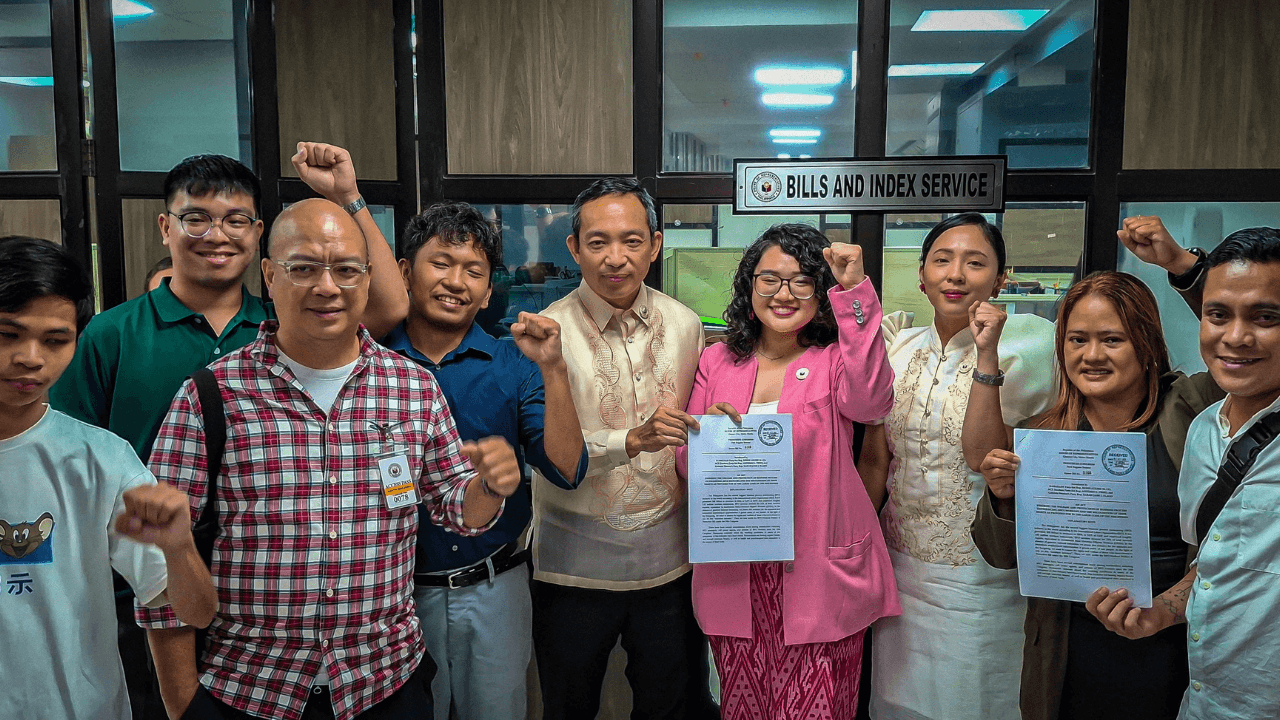
MANILA, PHILIPPINES — Progressive lawmakers in the Philippines have refiled the long-awaited Magna Carta for Business Process Outsourcing (BPO) Workers, aiming to codify long-overdue labor protections in the country’s multibillion-dollar outsourcing sector, one of the largest in the world, according to a report from News5.
Lawmakers push for stronger worker protections
The Makabayan bloc, composed of Kabataan Party-list Rep. Renee Co, ACT Teachers Party-list Rep. Antonio Tinio, and Gabriela Party-list Rep. Sarah Elago, reintroduced House Bill 5166 this week. The proposed legislation seeks to strengthen workplace rights across the BPO industry by setting minimum labor standards, establishing disaster and health protocols, and ensuring the right to unionize without fear of reprisal.
“We are filing this Magna Carta to codify protections that should have been guaranteed long ago—living wages indexed to inflation, paid leaves including mental health days, safe and humane work schedules, protection from arbitrary discipline, and the unqualified right to unionize without fear of retaliation or red-tagging,” said Co in a statement.
The move follows recent incidents in Cebu, where BPO employees were allegedly required to report to work despite aftershocks from a magnitude 6.9 earthquake. In Metro Manila, workers have also complained about being forced to attend work during severe flooding and typhoons, exposing persistent safety and welfare issues in 24/7 operations.
Addressing structural gaps in the outsourcing sector
Beyond emergency safety measures, the bill also prohibits forced reporting during disasters, imposes penalties for union-busting, and requires employers to uphold fair working conditions across shifts.
Co emphasized that the legislation is a “necessary reform, not a solution to the structural problem,” citing that “BPO workers are forced to comply with service-level agreements dictated by foreign corporations, locked into graveyard shifts and client metrics that ignore local labor laws and human dignity.”
She added that long-term labor stability depends on “building local industries and creating decent jobs through national industrialization,” underscoring the need for more sustainable employment options within the country.
A changing global outsourcing landscape
The refiling of the Magna Carta comes as the Philippines’ BPO industry continues to serve as a key pillar of its economy, employing over 1.5 million workers and contributing billions in export revenues. Yet as global clients demand higher productivity and around-the-clock availability, the industry faces growing scrutiny over workplace conditions and the mental health toll of night-shift work.
If passed, the bill could redefine labor norms in the outsourcing sector, not just in the Philippines but across the global BPO landscape. As international companies increasingly prioritize ethical sourcing and responsible operations, stronger worker protections may also strengthen the country’s reputation as a sustainable outsourcing destination, balancing economic growth with human dignity.







