
Malaysia GBS sector targets expansion beyond Klang Valley hubs

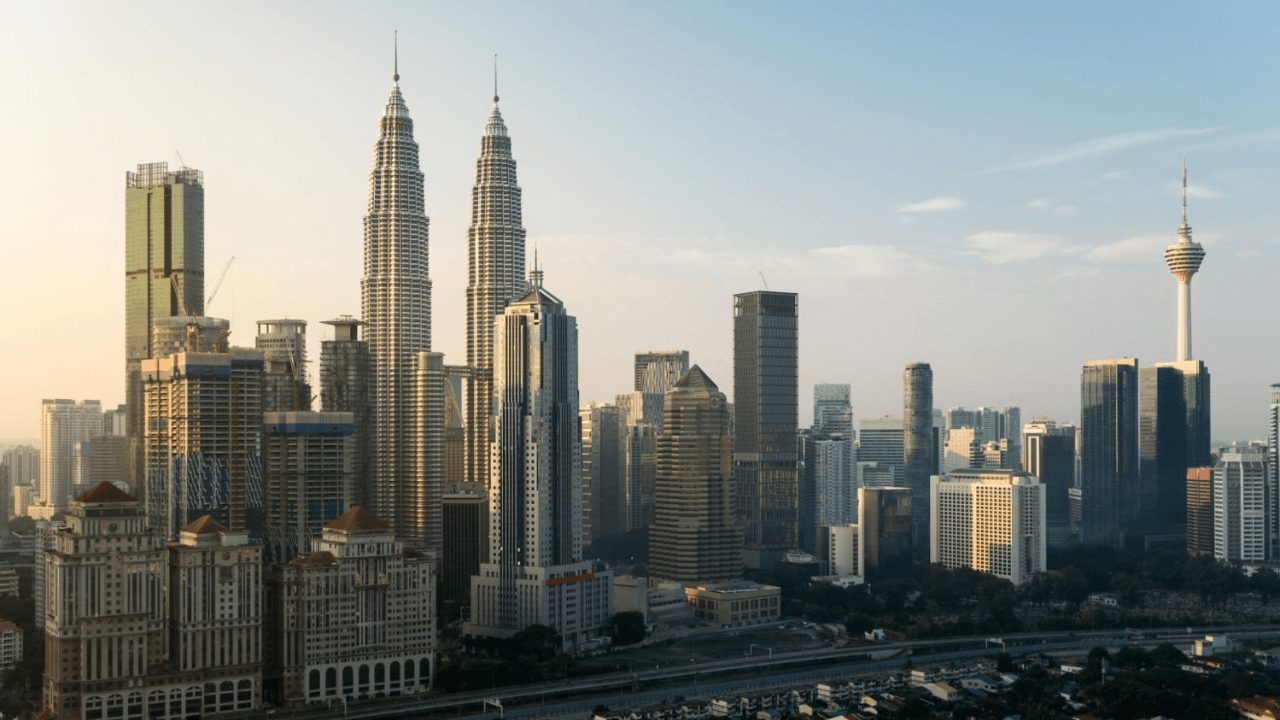
KUALA LUMPUR — Malaysia’s global business services (GBS) industry is aiming to spread beyond its traditional strongholds in the Klang Valley and Penang, with industry leaders calling for state-specific service centers that leverage local strengths.
According to a report from Digital News Asia, the move comes as the sector looks to diversify growth and strengthen its position as a regional outsourcing hub.
Expanding beyond traditional hubs
The GBS Malaysia Strategy 2022–2027 Mid-Term Report showed that industry activities in Malaysia centered on two locations which were Selangor and Kuala Lumpur as these regions established 87% of new GBS companies between 2021 and mid-2025. Penang serves as an additional major center for international business service operations.
But according to the report, industry stakeholders say that the next phase of growth depends on exploring other states while developing specialized capabilities.
Raymond Davadass, chair of the Digital Global Business Services Council Malaysia (GBS Malaysia), said several states, including Johor, Perak, Sabah, and Sarawak, are evaluating opportunities to establish GBS centers.
“This reflects growing interest in the sector,” Davadass said.
Rather than replicating existing hubs, Davadass emphasized the need for location-specific niches.
“If you want customer service, maybe you should be going to Sabah. If you’re looking at oil and gas-related work, maybe you should be going to Sarawak. If you’re looking at analytics work, maybe you should be looking at Klang Valley,” he said during the (Y)OURSPACE MY Edition talk on March 2.
“Together with the government, we are looking at how the industry can expand further beyond its current concentration in Klang Valley,” he added.
Driving value through technology and talent
Malaysia’s GBS ecosystem has established itself as an appealing business location as it offers multiple benefits which include a multilingual workforce, strong digital infrastructure and a business-friendly environment.
The sector is projected to generate US$7 billion (RM28 billion) in revenue by 2025, with roughly 750 companies currently operating within the ecosystem.
Davadass noted that the industry is evolving from a focus on cost-cutting to value creation, driven by data, automation, and artificial intelligence (AI). Knowledge, technology, and skilled people form the “holy trinity” for sustaining growth.
“[Organizations] will also need to redesign workflows and upskill their workforce to remain competitive, beyond adopting new technologies,” Davadass added.
The future of government-industry collaboration will include developing a national digital sandbox, establishing faster employment pass approvals and providing pilot funding for digital innovation and workforce development.
Malaysia’s push to decentralize GBS activity could enhance resilience, attract diverse talent, and reinforce the country’s standing in the competitive global outsourcing market.







