
Mapúa pioneers first AI engineering degree amid workforce shift

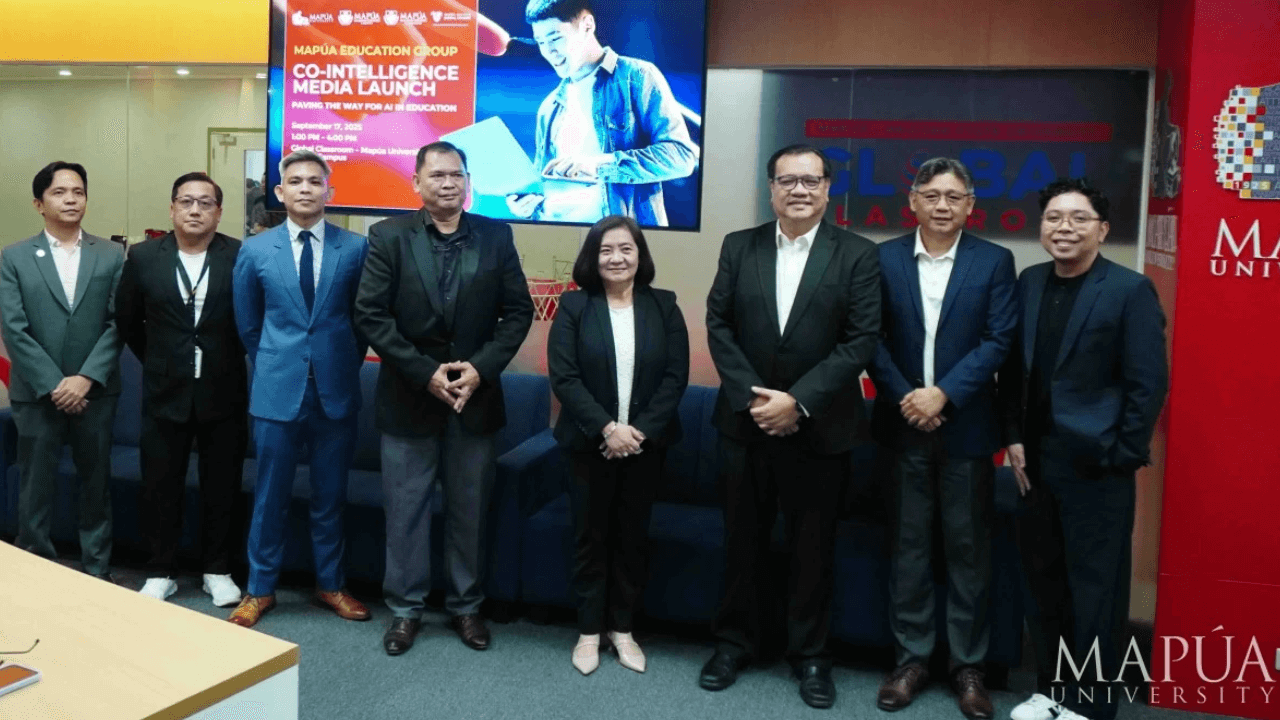
MAKATI, PHILIPPINES — The Mapúa Education Group has launched the Philippines’ first Bachelor of Science in AI Engineering, a direct response to new data indicating 52% of the nation’s professionals are in roles destined for disruption or augmentation by artificial intelligence, according to a report by Manila Bulletin.
This cornerstone of the group’s new Co-Intelligence Strategy signals a fundamental shift in education, preparing students for a radically changing job market.
“It is the first dedicated AI engineering degree in the Philippines. It is designed with reference to the Philippine Skills Framework for Analytics and AI to address the growing demands for AI engineers across sectors,” said Arnold Paglinawan, Dean of the School of Electrical, Electronics, and Computer Engineering.
Education shift for workforce disruption
The launch of the new degree program is a direct institutional response to a looming transformation in the professional landscape.
Rowena Subido, Head of RCBC’s human resources group, presented a stark picture, stating, “A major proportion of the Philippine workforce will experience a shift in skills for their role. As a result of AI, 52% of professionals in the Philippines are in roles that will likely be disrupted or augmented by AI.”
This statistics highlights the acute need for the education sector to develop, to move beyond traditional curriculum patterns, and to meet the demands of the new economy.
This educational shift is not limited to a single degree. Mapúa’s Co-Intelligence Strategy is a comprehensive framework being deployed across its network of schools.
The strategy is built on learning with AI tools, such as the MyPÚA digital reviewer and the 24/7 Learner’s Assistant; learning about AI by embedding AI literacy across all programs; and working with AI by equipping faculty and staff with AI tools for teaching and operations.
As Mapúa President and Chief Executive Officer (CEO) Dodjie Maestrecampo stressed, “AI is no longer optional. It is reshaping industries, redefining skills, and reimagining learning.”
Local innovation and ethics at the core of AI education
In particular, the first AI engineering program is structured to graduate professionals who are not only technically savvy but also ethically grounded and operate locally to address local issues.
The curriculum used in the program focuses on practical and effective application based on the Philippine context. Advanced fields, such as robotics, natural language processing, and machine learning, as well as student projects, will be guided towards addressing local issues.
Paglinawan highlighted that these projects could focus on developing healthcare diagnostics for underserved areas and creating language processing tools for local dialects. This approach aims to cultivate a generation of engineers who are ready to lead in developing homegrown AI solutions.
“There are new jobs, new titles, and new skills that we need to develop [because of AI]. That’s why I’m very happy to really hear about the BS AI Engineering course because that would help the corporations identify the right talent rather than the corporations training them,” Subido highlighted.
This pioneering program establishes a new educational benchmark that is likely to reshape academic curricula and talent production for the entire Philippine technology sector.
“It is building the future of AI engineering in the Philippines—one student at a time. The future belongs to those who prepare for it today,” Paglinawan concluded.







