
Doctor shortage leaves Australia’s Moree town without emergency care

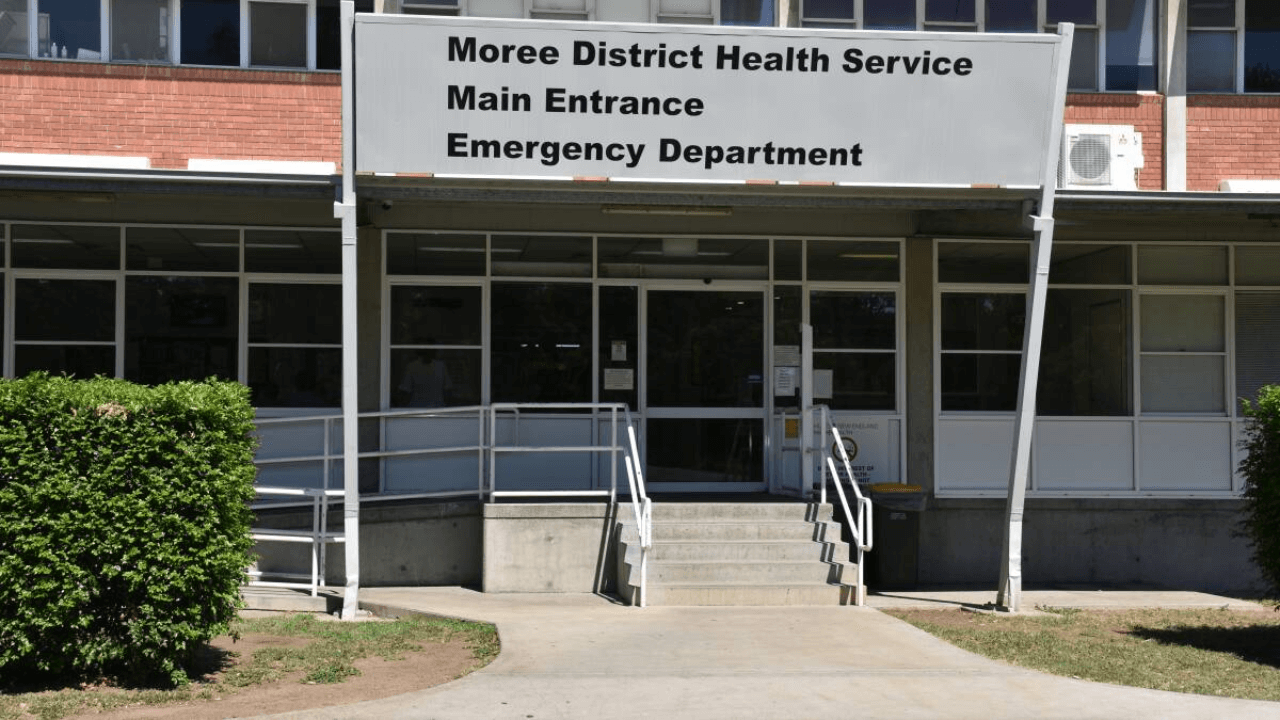
NEW SOUTH WALES, AUSTRALIA — A critical doctor shortage at Moree Hospital has left its emergency department repeatedly without a physical physician, forcing residents to rely on telehealth or travel hours for care, according to a report by ABC News.
Critical staffing gaps threaten Moree Hospital’s emergency care
The doctor shortage is not an isolated incident but a systemic failure, with Northern Tablelands MP Brendan Moylan saying, “Hunter New England Health were unable to staff the emergency department on a permanent basis over the last few weeks.”
“I attended the emergency department (ED) [a week ago] with a parliamentary colleague that collapsed and needed to be taken to hospital in an ambulance, only to be told there wasn’t a doctor there,” Moylan said.
This has left a community of roughly 8,000 people without reliable access to emergency medical services, turning what should be a rare contingency into a regular occurrence, as confirmed by Moree Plains Shire Mayor Susannah Pearse.
This is a serious threat to a society involved in one of the riskiest occupations in Australian agriculture. Moree Plains Shire Mayor Susannah Pearse insisted on the increased danger, saying, “We are the heart of agricultural industry here — it’s one of the most dangerous professions there is,” and pointing out the proximity of the area to major highways, where tragic accidents are common.
“We need [HNELHD] to be pulling out all the stops that they can to make sure we are having reliable staffing of our hospital,” Mayor Pearse notes.
Telehealth services struggle with connectivity issues in rural NSW
The Hunter New England Local Health District (HNELHD) has identified the use of on-demand virtual care, delivered by highly trained emergency physicians, as a solution when a doctor is not physically present.
This system aims to deliver high-quality nursing care with skilled personnel and ensure the delivery of safe care. This use of telehealth, however, has been found insufficient to deal with the acute and frequently severe medical crises being brought to the region.
Patients and officials report that the virtual care system is fundamentally insufficient. Moylan stated, “I actually saw this working with my own eyes and it does not work,” citing poor internet connectivity that failed to deliver a clear picture.
“The internet was not good enough to get a picture on the screen.”
This forces patients with serious injuries, such as one individual with a dislodged kneecap, to drive themselves three hours to Tamworth for in-person treatment, a dangerous contingency.
Without a guaranteed doctor, serious accidents common in farming might lead to disastrous results due to the inability to provide emergency treatment immediately, in person, which spurs state and federal governments to address the staffing shortage issue.
Leveraging global medical talent to fill rural healthcare gaps
Virtual care solutions demonstrate that the strategic implementation of properly supported virtual nursing and telehealth systems can provide a critical stopgap for hospitals facing dire staffing shortages.
Outsourcing or offshoring and tapping into an international pool of qualified medical staff will enable health districts to provide 24/7 access to emergency doctors during the initial consultation and patient stabilization, thereby alleviating the overall shortage of on-site doctors.
However, as the crisis at Moree illustrates, such systems can only be effective when supported by a robust and reliable internet infrastructure, which enables clear communication and proper diagnosis.
When executed correctly, such offshore staffing models can alleviate immense pressure on rural facilities, preventing dangerous self-transfers and bridging the gap until permanent local staff can be secured.







