
Morocco revamps offshoring to boost digital economy by 2030

RABAT, MOROCCO — Morocco is revamping its offshoring sector to accelerate growth in the digital economy, attract foreign investment, and create high-value jobs, officials said at a strategic meeting in Rabat.
According to a report from The North Africa Post, the initiative marks a key step in the country’s Maroc Digital 2030 plan, which aims to position Morocco as a leading player in global digital services.
Upgrading Morocco’s offshoring model
The meeting, which Minister of Digital Transition and Administrative Reform Amal El Fallah Seghrouchni chaired, brought together public and private stakeholders to develop growth strategies for their sector while facing rising international competition.
“The renewal of Morocco’s offshoring offer is a strategic lever for reinforcing Morocco’s attractiveness, attracting new investments, and making the sector a major driver of qualified job creation, particularly at regional levels,” said Minister Seghrouchni.
By the end of 2024, the offshoring sector employed 148,500 people, adding 18,500 new jobs over two years, while service exports reached 26.22 billion dirhams (US$2.87 billion).
Seghrouchni explained that these statistics demonstrate how the sector makes a major contribution to the growth of the national digital economy and the achievement of Morocco’s status in international value chains.
Morocco aims to maintain an advanced position so that it might rise above continuous change by enhancing its offering to become more advanced, expanding skilled development programs, and conducting thorough research and development activities.
The country develops its international market competitiveness through specialized training programs and dedicated institutes, which prepare local talent for emerging digital professions and high-value-added services.
New offshoring framework supports development
The newly established offshoring framework relies on three fundamental elements, which include developing human capital through improved skills that enhance employability, creating contemporary spatial infrastructure systems that will enable balanced regional development, and implementing a consistent incentive system that supports ongoing sustainable development.
The high-level meeting also featured Younes Sekkouri, Minister of Economic Inclusion, Small Business, Employment and Skills, along with private sector representatives.
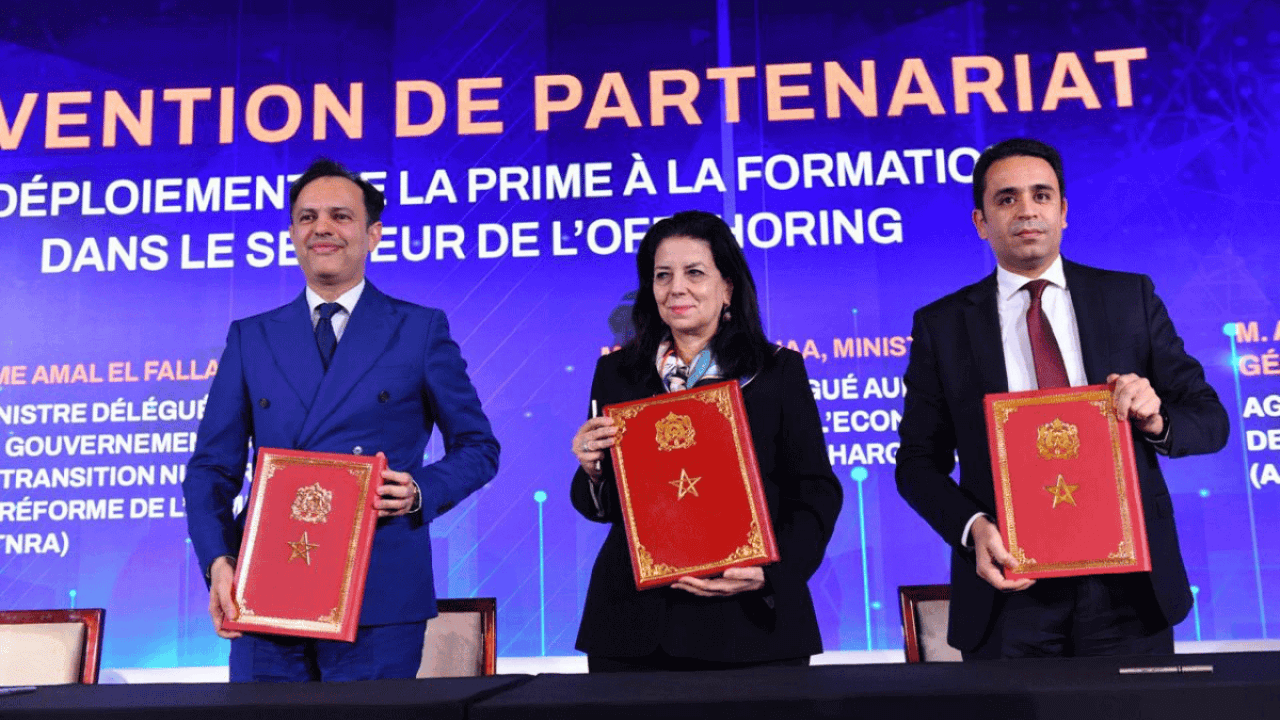
The event concluded with three major convention signings focused on training incentives and Tech Valley offshoring development, creating modern economic poles designed to attract both national and international investment.
Morocco’s renewed offshoring strategy reflects a global outsourcing trend where countries are moving toward high-value digital services rather than low-cost labor models.
Through the combination of skill development, infrastructure development, and incentive programs, Morocco intends to achieve two goals, which include creating more job opportunities and expanding export activities.
This also establishes itself as a dependable business partner for international digital companies that want to operate in its territory and that will transform the North African outsourcing industry for years to come.







