
Weak oversight of UK’s NHS remote monitoring tools flagged by HSJ

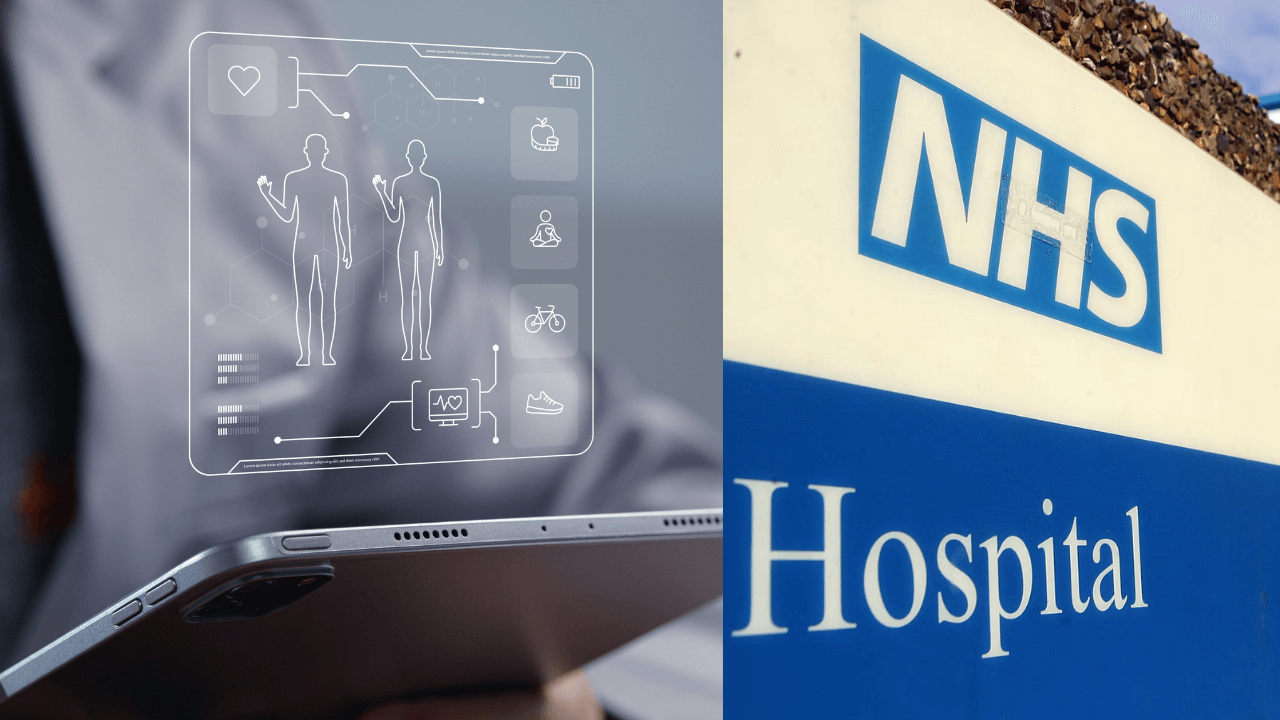
LONDON, UNITED KINGDOM — The rapid expansion of remote monitoring technologies across the National Health Service (NHS) is outpacing the level of regulatory scrutiny applied to them, according to a new analysis by the Health Service Journal (HSJ).
In a report from Care Home Professional, despite their increasing role in patient care, many of these systems are operating under the lowest level of medical device regulation—raising questions about safety, oversight, and the outsourcing models supporting their rollout.
Regulatory gaps raise safety concerns
HSJ’s investigation revealed that the NHS classifies several remote monitoring tools as minimal risk.
The analysis revealed that the NHS currently subjects its remote monitoring technology to the lowest tier of medical device regulation.
The publication found significant variation in the classification of remote monitoring systems, even though many handle sensitive, potentially high-risk patient data.
The analysis found that some software used to monitor patient conditions continuously is classified at the same risk level as basic medical items like bandages or syringes.
This mismatch between function and regulatory category has intensified concerns about whether current oversight structures are sufficiently robust for modern digital health tools.
The systems in question include devices that monitor vital signs, such as blood glucose levels, medication adherence, and other health observations. These technologies have increasingly become part of the NHS’s approach to reducing hospital visits and shifting care into home settings.
Outsourced health tech expands faster than regulation
The surge in remote monitoring has been fueled by the government’s drive to move care closer to home under the 10-year health plan.
Between November 2020 and January 2023, more than 487,000 people received home support through these technologies, highlighting the rapid adoption of remote monitoring in a relatively short time.
This accelerated rollout has also amplified reliance on outsourced digital health tools, many of which are developed, maintained, or supported by external technology vendors.
As the NHS continues to contract third-party providers to meet digital transformation targets, gaps in regulation highlight the growing need for clear governance frameworks that cover not only the devices themselves but also the outsourced ecosystem behind them.
With the government committing to further expansion, industry observers note that the combination of outsourcing, rapid technology adoption, and low regulatory standards makes oversight reforms increasingly urgent.







