
Outsourcing industry mobilizes 31k volunteers, aids 377k lives in 2025

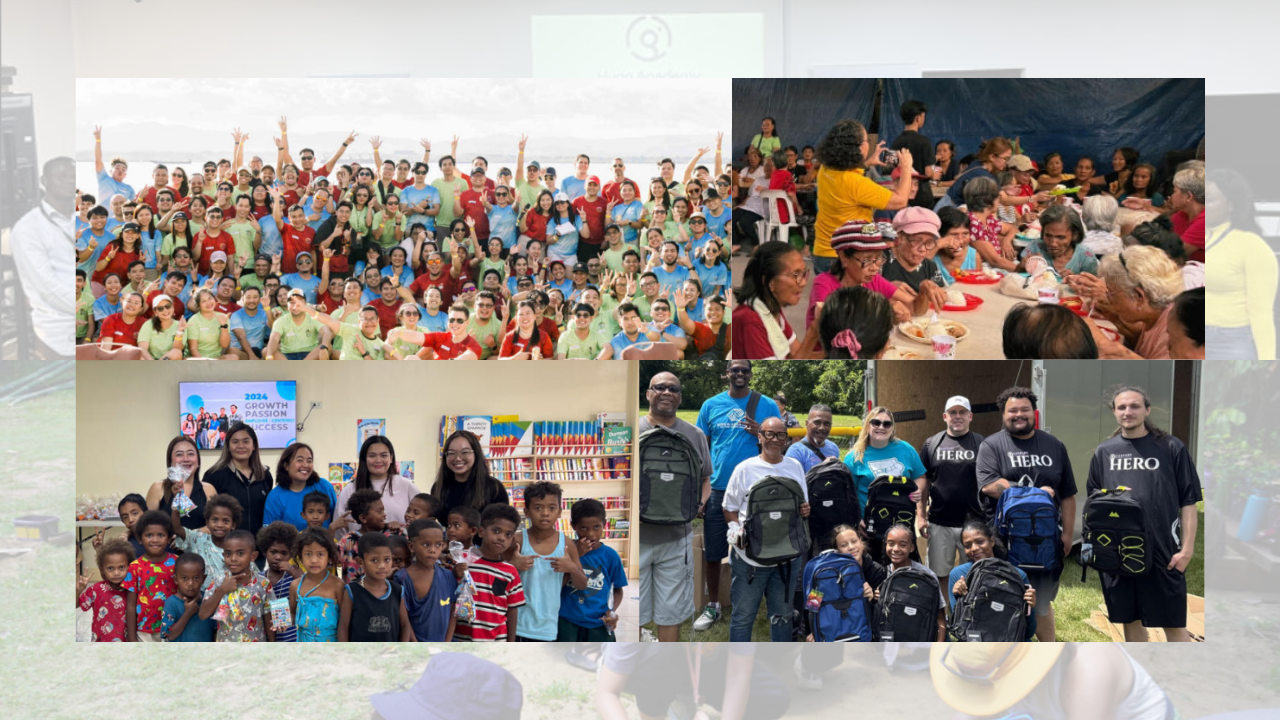
MANILA, PHILIPPINES — Outsource Accelerator’s Outsourcing Impact Review (OIR) 2025 revealed that the global outsourcing industry demonstrated its social commitment, with companies mobilizing 31,766 volunteers who dedicated 6,555 hours to initiatives that directly benefited over 377,253 people.
The report highlights a sector that is increasingly leveraging its human resources to achieve substantial community impact.
Outsourcing firms deliver community impact worldwide
The collective efforts of outsourcing firms in the study resulted in a significant direct impact on communities worldwide.
The registered outcomes of OIR 2025 companies showed they had over 377,253 direct beneficiaries, a 47.5% decrease from the 718,267 in the previous year, as the industry overall adopted a more strategic approach, shifting beneficiaries toward more intensive, high-impact interventions rather than volume.
These people represented a broad spectrum, such as children, workers, students, families, and vulnerable populations.
Various companies recorded specific, quantifiable impacts. Key contributions included VH BPO Services creating 100 full-time remote jobs and CBE Customer Solutions supporting 8,050 patients and families. Furthermore, Rocket Station programs directly affected 5,000 educators and 3,000 workers, and Booth‘s long-term programs enhanced the lives of almost 30,000 individuals.
Volunteerism: A core driver for social value
The sector demonstrated a powerful commitment to employee-driven social action by mobilizing a massive volunteer force.
This year’s participants mobilized 31,766 volunteers, an exceptional demonstration of employee engagement in the outsourcing sector. These volunteers channeled 6,555 hours into activities ranging from education campaigns to health initiatives and community rebuilding projects.
Notably, companies such as TDCX, Acquire Intelligence, CBE Customer Solutions, and Booth emerged as leaders in guided volunteering.
TDCX alone has dedicated 4,600 hours to volunteering, demonstrating individual companies’ ability to contribute a significant share of the industry’s overall volunteer work. This heavy investment of time emphasizes one of the strategic priorities of practical community engagement.
Community building is the top impact category
The distribution of effort across impact categories reveals where the industry’s volunteer and beneficiary efforts were most concentrated.
Community Building was the dominant focus area, accounting for 46.2% of all initiatives submitted by participants. This indicates a strong industry emphasis on locally grounded programs and grassroots development.
The remaining work was distributed across Diversity, Equity, and Inclusion (20.5%), Health and Wellness (17.9%), and Education (15.4%).
The variation is considerable, and though education will be vital, in 2025, the industry will have allocated most of its resources and volunteer force to general community resiliency and inclusion plans as an adaptive measure to emerging global needs.
“The scale, diversity, and specificity of these impacts set new industry benchmarks for transparency and accountability in responsible outsourcing,” the report notes.
Grassroots employee-led programs lead change
The report notes that effective volunteerism is usually a product of grassroots programs, rather than employee-led, top-down programs offered by corporations.
This was exemplified by the Hearts That Serve, Hands That Build program at Acquire Intelligence, where more than 3,600 volunteer hours were accrued in one year with personal, grassroots volunteer activities in disaster recovery and home rebuilding.
This turned out to be a success for the employee empowerment model, which had turned compassion into direct action. The campaign garnered more than 1,800 followers, standing evidence that small but active groups can deliver scalable, sustainable outcomes.
Business efficiency is no longer the sole purpose of the outsourcing industry at the global level, as it is redefining its role through collective volunteerism and strategic alliances to drive visible change in the community and set new standards of corporate social responsibility.







