
Philippine healthcare BPOs embrace AI, skills reform at HIMSCON 2025

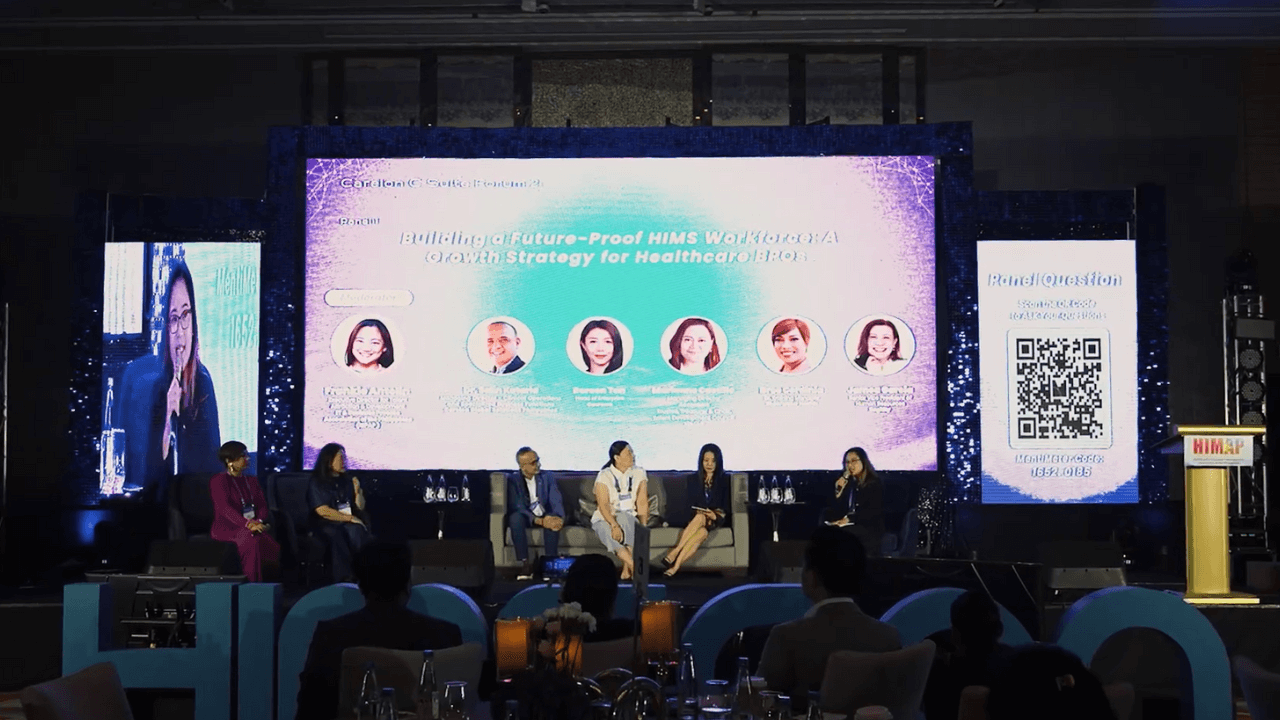
MANILA, PHILIPPINES — The Philippine healthcare information management sector is accelerating its shift toward an AI-powered and skills-focused workforce, as industry leaders, educators, and policymakers gathered for HIMSCON 2025 in the Philippines.
The two-day conference underscored how the country’s healthcare BPO industry is moving beyond traditional outsourcing models to prepare talent for higher-value, patient-centered roles.
Redefining growth through AI and workforce transformation
Organized by the Healthcare Information Management Association of the Philippines (HIMAP), HIMSCON 2025 tackled the question of what “sustainable growth” means for an industry navigating rapid technological disruption.
According to a report from When In Manila, HIMAP President Vincent Remo emphasized the need for a unified approach, saying, “The Philippines stands to achieve transformative progress when academe, government, and industry operate in sync, driven by a shared vision and a unified calendar. HIMSCON is the platform where we align priorities, forge partnerships, and commit to the next bold steps toward national innovation and global competitiveness.”
A key panel, “How AI Is Transforming the Healthcare BPO Workforce: From Processors to Patient-Centric Partners,” highlighted how automation is reshaping job roles.
Rather than displacing human workers, AI tools are being used to shift BPO professionals from repetitive data tasks toward more meaningful, empathy-driven patient support and complex problem-solving.
Panelists from Sanas, Pointwest, and the Analytics & AI Association of the Philippines pointed to the rising demand for healthcare specialists who can combine technical knowledge with communication and clinical understanding—signaling a transition from volume-based work to value-based care delivery.
Cybersecurity and education drive industry resilience
Cyber resilience also emerged as a critical theme. As hybrid and remote work continue to define modern operations, protecting patient data is now seen as a shared responsibility across all workforce levels—not just IT teams.
Sustaining growth, speakers noted, relies on trust, security, and culture-driven risk awareness.
Equally emphasized was the role of education. Universities and corporations are now moving toward micro-credentials, continuous training, and closer curriculum collaboration to prepare Filipino talent for evolving global healthcare standards.
By the close of the conference, the message was clear: sustainable growth is not simply about deploying new technologies—it is about aligning people, institutions, and innovation.
For the broader outsourcing industry, this signals a shift from labor cost competitiveness to capability competitiveness—where the Philippines strengthens its position not only as a service hub, but as a strategic partner in delivering human-centered healthcare solutions to the world.
Related news
- AI reshapes healthcare with hyper-personalized patient experiences · 7 Nov
- Virtual care transforms Australian military health ops: Aspen Medical · 6 Nov
- North Country Healthcare defends outsourcing move, cites stability · 5 Nov
Disclosure: Outsource Accelerator uses AI tools in the backend of its editorial workflow. Every article is reviewed and verified by a human editor before publication.
Stay ahead in healthcare outsourcing. Join thousands of healthcare and business leaders who rely on Outsource Accelerator for the news, trends, and expert insights shaping medical BPO and the future of care delivery. Subscribe to our free newsletter and never miss an update.








